




What's Happening?
The United States has intensified its pressure campaign against Iran through Operation Economic Fury, which initially involved a blockade of Iranian ports in the Strait of Hormuz. This operation has now expanded to include the interception and seizure
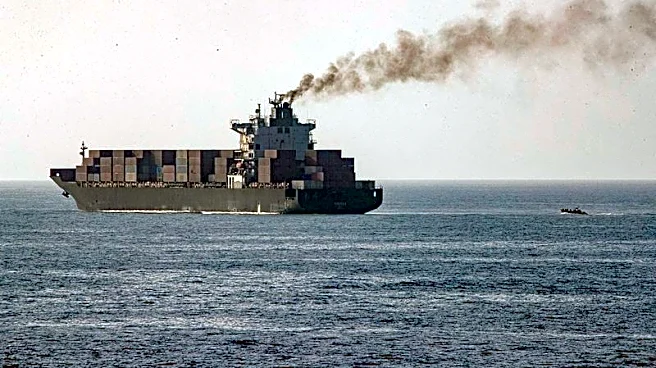
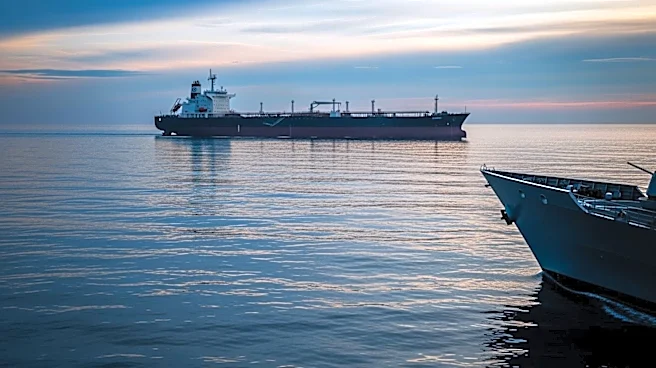
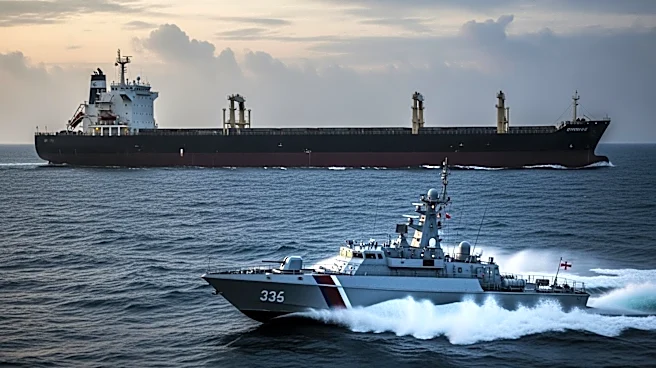
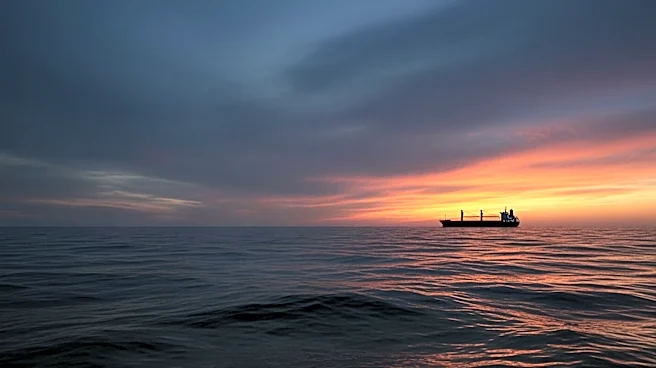
of ships providing support to the Iranian regime in international waters. The U.S. military, under the direction of Defense Secretary Pete Hegseth and Chairman of the Joint Chiefs of Staff Gen. Dan Caine, has been actively enforcing this blockade. Recently, the Iranian-flagged tanker Touska, carrying approximately two million barrels of oil, was intercepted while attempting to breach the blockade. The operation has extended to the Indo-Pacific region, where a stateless vessel linked to Iranian smuggling was also seized. The U.S. Department of Defense, State Department, and Treasury Department are collaborating to exert economic pressure on Iran, aiming to cut off its oil export capabilities, which are crucial for funding its war efforts.
Why It's Important?
This expansion of Operation Economic Fury is significant as it represents a strategic effort by the U.S. to curb Iran's economic resources, particularly its oil exports, which are vital for its economy and military funding. By targeting Iranian oil shipments, the U.S. aims to weaken Iran's financial stability and leverage this pressure to facilitate ceasefire negotiations. The operation's resemblance to past U.S. actions against Venezuela highlights a broader strategy of using economic sanctions and maritime interdictions to influence geopolitical outcomes. The potential cost of up to $400 million per day underscores the operation's scale and the U.S. commitment to its objectives. This development could impact global oil markets, U.S.-Iran relations, and regional stability in the Middle East.
What's Next?
As the U.S. continues to enforce the blockade and expand its operations, further maritime interdictions are likely. The ongoing U.S.-Iran ceasefire negotiations may be influenced by the economic pressure exerted through these actions. The international community, particularly countries reliant on Iranian oil, may respond with diplomatic efforts to mediate the situation. Additionally, Iran may seek alternative routes or allies to circumvent the blockade, potentially escalating tensions in the region. The U.S. will need to balance its military actions with diplomatic strategies to achieve its objectives without provoking further conflict.