






What's Happening?
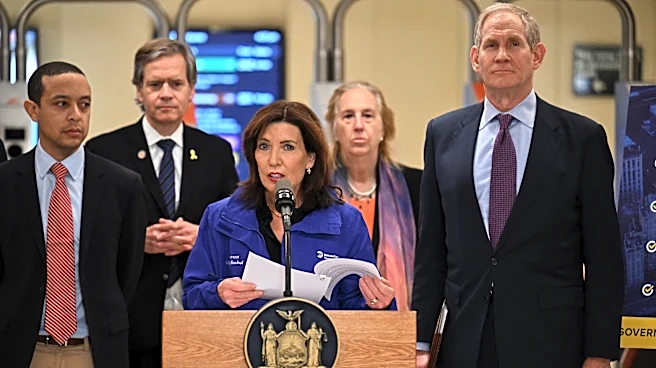
New York State has launched a significant effort, dubbed the Express NY initiative, to eliminate outdated regulations from its state code. This comprehensive review, announced by Governor Kathy Hochul, targets rules that are no longer relevant, including
those related to Y2K and historical restrictions on women in the workforce. The initiative involves input from state agencies and the public, and notably, employs artificial intelligence to scan and analyze 18 million words of regulatory and statutory text. This process has already identified numerous outdated directives, non-existent boards, and fees or reporting requirements that no longer serve a purpose. For instance, recent revisions include removing the need for a new background check and medical certificate every time a childcare worker changes sites, while still maintaining essential five-year background checks and expanding eligible fields of study for childcare providers to boost the talent pool. The goal is to reduce confusion for business owners and legal professionals navigating the state's extensive regulatory framework.
Why It's Important?
This regulatory overhaul is crucial for improving the operational efficiency and economic environment within New York State. By removing obsolete rules, the state aims to reduce administrative burdens and costs for businesses, particularly small and medium-sized enterprises, which often struggle with complex compliance requirements. The streamlining of regulations, especially in sectors like childcare, nursing homes, and affordable housing, could lead to increased investment, job creation, and improved service delivery. For example, simplifying childcare regulations can help address workforce shortages and expand access to essential services. The use of AI in this process sets a precedent for how other states might approach similar challenges, potentially leading to a more agile and responsive regulatory landscape nationwide. This initiative could also enhance New York's competitiveness by making it a more attractive place to do business, benefiting various economic stakeholders and potentially influencing policy discussions on regulatory reform across the U.S.
What's Next?
The Express NY initiative is an ongoing process, with the current round of regulatory changes being just one step. Zoe Jacobs, director of regulatory reform and delivery with the governor’s office, indicated that this effort is viewed as a starting point rather than an end. Jacobs' team is also actively examining permitting processes and plans to announce further reforms aimed at accelerating permit approvals for housing and infrastructure projects. This suggests a continued focus on reducing red tape and fostering a more efficient environment for development and growth. The success of New York's AI-driven approach could inspire other states to adopt similar technologies for regulatory reform, potentially leading to a broader movement towards modernizing state codes across the country. Stakeholders, including businesses, legal professionals, and advocacy groups, will likely monitor these developments closely for further opportunities to provide input and benefit from the streamlined regulations.
Beyond the Headlines
The deployment of AI to analyze and identify outdated regulations highlights a significant shift in governance, moving towards technology-driven solutions for administrative challenges. This raises deeper implications regarding the role of artificial intelligence in public policy and law. While AI can efficiently process vast amounts of text, ensuring that the removal of regulations does not inadvertently compromise public health, safety, or environmental protections requires careful human oversight and expert consultation. The initiative also underscores the persistent challenge of regulatory accumulation over time, where rules, even if no longer enforced, can create confusion and act as barriers. This effort could spark a broader conversation about the need for regular, systematic reviews of regulatory frameworks to maintain their relevance and effectiveness, potentially influencing legal and administrative practices beyond New York State. The bipartisan support for cutting red tape, as noted by Wayne Crews of the Competitive Enterprise Institute, suggests a shared understanding of the economic benefits of such reforms.