







What's Happening?
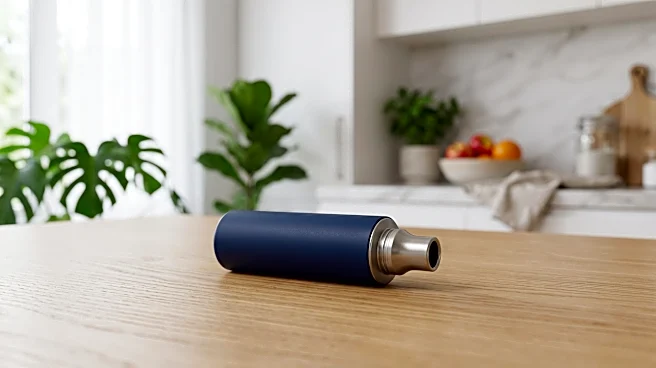
The FDA has expanded its approval for Afrezza, an inhaled insulin, for use in children aged six years and older with diabetes, including type 1 diabetes. This medication offers an alternative to injected mealtime insulin, delivering a dry powder through
the lungs into the bloodstream for rapid absorption. The INHALE-1 clinical trial, which evaluated Technosphere insulin (Afrezza) against injected rapid-acting insulin analogs in 230 children and adolescents aged 4 to 17 years, showed mixed results regarding glucose control. While the primary analysis did not establish noninferiority for HbA1c outcomes, a sensitivity analysis did meet this standard. Participants using inhaled insulin reported significantly greater treatment satisfaction and experienced less weight gain. However, Afrezza carries an FDA boxed warning regarding acute bronchospasm in patients with chronic lung disease, making it unsuitable for children with asthma or other chronic lung conditions. Lung function must be evaluated before treatment and reassessed periodically.
Why It's Important?
This expanded FDA approval is significant for U.S. families managing type 1 diabetes in children, as it introduces a non-injectable option for mealtime insulin. The potential for increased treatment satisfaction and reduced physical and emotional stress associated with daily injections could improve the quality of life for young patients. However, the medication's contraindications for children with chronic lung disease and the need for careful pulmonary monitoring highlight the importance of individualized patient assessment. The mixed results on overall glucose control from the INHALE-1 trial suggest that while convenience may improve, it does not guarantee superior long-term glycemic management. This development underscores the ongoing challenge of balancing treatment efficacy with patient comfort and safety in pediatric diabetes care, potentially influencing prescribing practices and patient education efforts across the country.
What's Next?
Following the expanded FDA approval, healthcare providers will need to carefully assess pediatric patients for suitability, considering age, respiratory health, and the ability to use the device correctly. Ongoing monitoring of lung function will be crucial for children prescribed Afrezza. Further research and real-world data collection will likely continue to evaluate the long-term efficacy and safety of inhaled insulin in this younger population, particularly concerning sustained glucose control and pulmonary health. Educational initiatives for patients, caregivers, and healthcare professionals will be essential to ensure proper administration, dose adjustment, and awareness of potential risks and benefits. The availability of this new option may also spur further innovation in non-invasive insulin delivery methods.
Beyond the Headlines
The introduction of inhaled insulin for pediatric type 1 diabetes patients reflects a broader trend in healthcare towards less invasive and more patient-friendly treatment modalities. This development could influence how pharmaceutical companies approach drug delivery systems, prioritizing convenience alongside clinical effectiveness. Ethically, the balance between reducing the burden of injections for children and managing potential respiratory risks will be a key consideration for clinicians and parents. Culturally, it may shift perceptions of diabetes management, making it less daunting for younger patients and potentially improving adherence. The long-term impact on the psychological well-being of children with type 1 diabetes, who often face significant daily challenges, could be substantial, fostering greater independence and a more positive outlook on their condition.