








What's Happening?
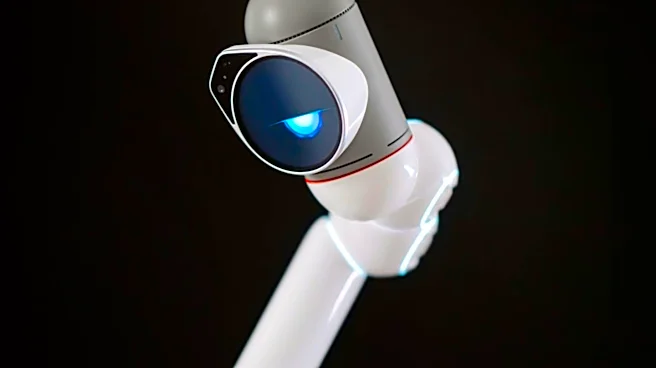
Hospitals are increasingly integrating automation into their operations to streamline administrative tasks and improve logistics. This includes the use of AI tools for documentation, scheduling, and decision support, as well as robots for transporting
supplies. Despite these advancements, a significant bottleneck remains: the availability of physicians. The Association of American Medical Colleges projects a shortage of up to 86,000 physicians by 2036, which poses a challenge for hospitals trying to reduce wait times and expand access to care. Automation can enhance efficiency but cannot replace the need for adequate physician coverage, which is crucial for meeting rising patient demand.
Why It's Important?
The integration of automation in healthcare is crucial for improving efficiency and reducing the burden of repetitive tasks on staff. However, the shortage of physicians highlights a critical gap that technology alone cannot fill. This shortage affects patient care, as hospitals struggle to meet demand without sufficient medical professionals. The situation underscores the need for better workforce planning and recruitment strategies to ensure that automation efforts are complemented by adequate human resources. The ability to match physician availability with patient demand is essential for maintaining the quality of care and operational efficiency in healthcare facilities.
What's Next?
Hospitals need to focus on improving workforce visibility and planning to address the physician shortage. This includes better recruitment strategies and the use of digital systems to match doctors to demand. By understanding where demand is growing, healthcare systems can make informed decisions about recruitment, scheduling, and long-term staffing strategies. This approach will help ensure that automation efforts are effective and that patient care is not compromised by workforce shortages.