





What's Happening?
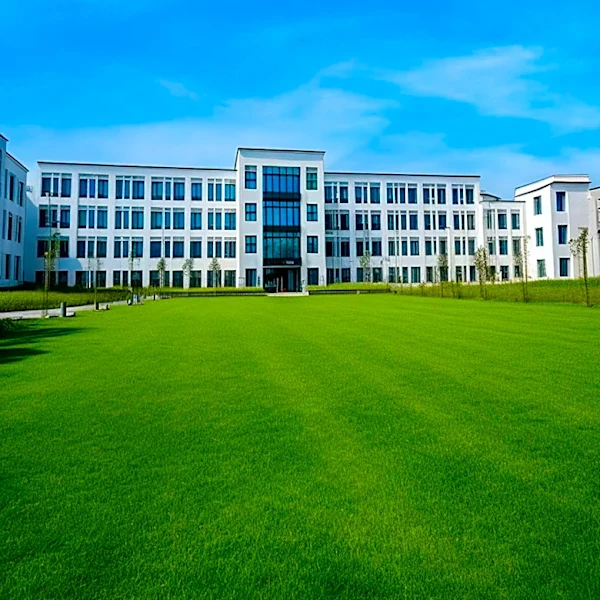
John Adams Academy has officially opened in Sterling Ranch, Colorado, marking the first school in this rapidly growing community. The school, co-founded by Kim Gilmartin and Ellie Reynolds, is described as 'liberty-based' and offers a classical education
model. This approach focuses on traditional academic disciplines, including sentence diagramming, proper grammar, and handwriting, aiming to reflect the educational methods of past generations. The school emphasizes the Founding Fathers' vision of America, which has sparked some controversy due to its perceived ideological framework. Despite this, the school has attracted significant interest, with enrollment primarily consisting of Sterling Ranch families. The academy offers a public, tuition-free education and includes a homeschool enrichment program. It currently serves grades K-8, with plans to expand to grades 9-12 in the future.
Why It's Important?
The opening of John Adams Academy in Sterling Ranch is significant as it reflects a growing trend towards school choice and alternative educational models in the U.S. The classical education approach appeals to parents seeking a return to traditional academic values and a focus on American heritage. This development highlights the ongoing debate over educational philosophies and the role of ideological frameworks in public education. The school's establishment may influence other communities considering similar educational models, potentially impacting public policy and funding for charter schools. Additionally, the school's success or challenges could affect future educational initiatives in the region.
What's Next?
John Adams Academy plans to expand its grade offerings, adding one high school grade each year. The school is set to open officially on August 24, with ongoing enrollment and some classes already wait-listed. As the school year progresses, the academy's performance and reception by the community will be closely monitored. The success of this educational model could lead to increased interest in classical education and potentially inspire similar initiatives in other communities. Stakeholders, including parents, educators, and policymakers, will likely observe the school's impact on student outcomes and community engagement.