


What's Happening?
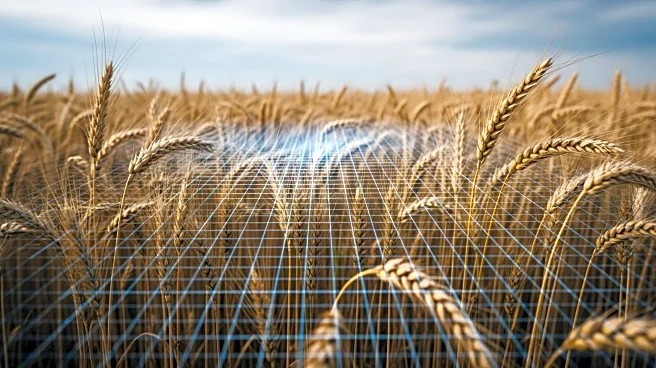
The U.S. agricultural sector is increasingly vulnerable to cyberattacks as it becomes more reliant on digital technologies. Modern farming practices now incorporate advanced systems such as automated tractors, GPS-guided equipment, and IoT sensors, which
enhance efficiency but also expand the potential attack surface for cybercriminals. Recent incidents have highlighted the risks, including ransomware attacks on food processors and data breaches at agri-tech firms. These cyber threats can disrupt food supply chains, damage export markets, and erode consumer confidence. The USDA Economic Research Service reports that about 30% of U.S. farms are using precision agriculture technologies, which underscores the growing digital footprint in the sector.
Why It's Important?
Cyberattacks on agriculture pose significant threats to national security and economic stability. As a critical component of the U.S. economy, disruptions in agriculture can lead to food shortages, increased prices, and strained trade relationships. The sector's limited cybersecurity resources, particularly among small and mid-sized farms, make it an attractive target for attackers. The value of agricultural data, including yield forecasts and market pricing, further incentivizes cybercriminals. Protecting the agricultural sector is crucial not only for preventing financial losses but also for ensuring food security and the livelihoods of millions in rural America.
What's Next?
To mitigate these risks, federal and state agencies are enhancing cybersecurity efforts, including publishing guidelines and fostering public-private cooperation. Farmers and agribusinesses are encouraged to update software, train employees, segment networks, and develop incident response plans. These measures aim to build resilience against cyber threats and ensure rapid recovery from potential breaches. As cybercriminals become more sophisticated, the agricultural sector must continue to adapt and strengthen its digital defenses to safeguard the nation's food systems.