





What's Happening?
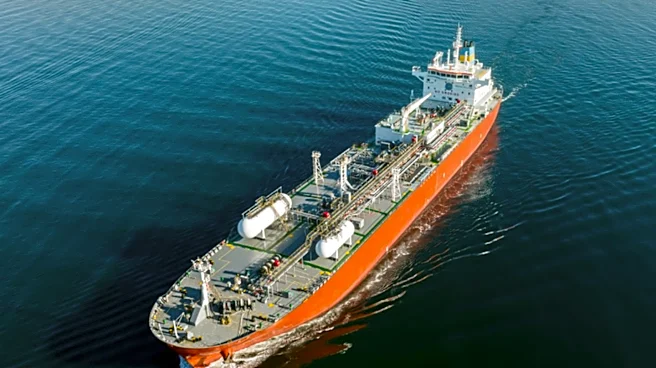
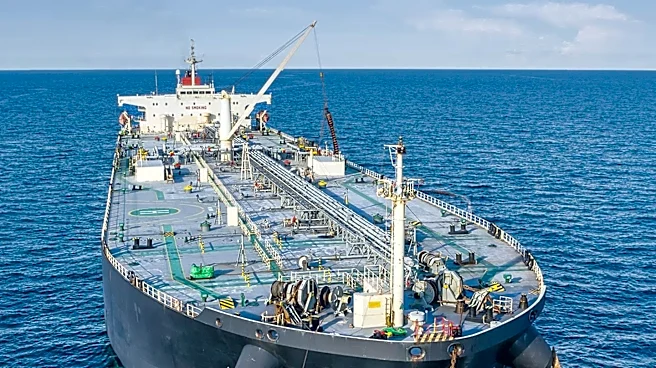
A Russian tanker, part of the shadow fleet used to bypass Western sanctions, is reportedly leaking oil in a marine conservation area off the coast of Oman. The tanker, Caroline Bezengi, loaded with Russian oil, has been identified as the source of the spill,
which was detected through satellite imagery. The incident highlights the environmental risks associated with using aging vessels for transporting oil under international sanctions. The tanker is owned by a Shanghai-based company and has faced operational difficulties, contributing to the spill.
Why It's Important?
The oil spill poses a significant threat to marine ecosystems in the Gulf region, emphasizing the environmental hazards of using outdated and poorly maintained vessels for oil transport. The incident underscores the broader implications of international sanctions on Russia, as the country increasingly relies on a shadow fleet to sustain its petroleum exports. This reliance on older tankers raises concerns about the potential for further environmental disasters, which could have long-term impacts on regional biodiversity and economic activities dependent on marine resources.
What's Next?
Efforts to contain and mitigate the oil spill will be crucial to minimizing environmental damage. International regulatory bodies may need to reassess the enforcement of maritime safety standards and the monitoring of sanctioned vessels. The incident could prompt calls for stricter regulations and oversight of oil transportation, particularly for vessels operating under sanctions. Environmental organizations and governments may increase pressure on Russia and its shipping partners to address the risks associated with the shadow fleet.