




What's Happening?
Elon Musk, owner of the social media platform X, has accused traditional media outlets of possessing a significant left-wing bias, leading them to label mainstream political positions as 'far-right.' This accusation came in response to a post by Senator
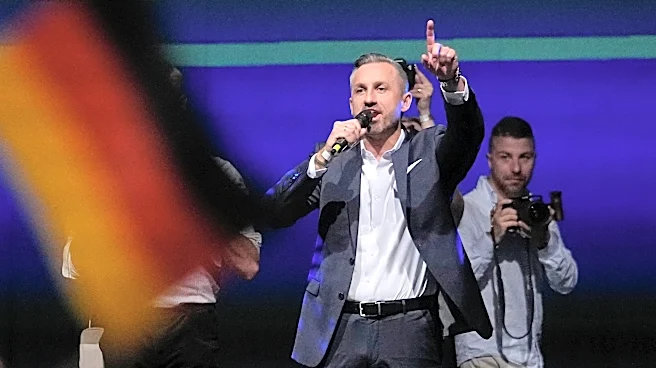
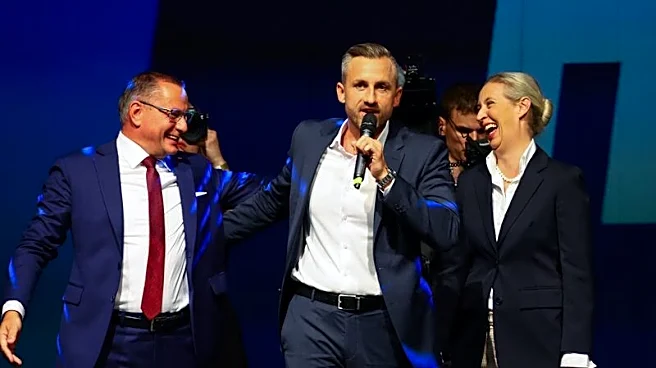
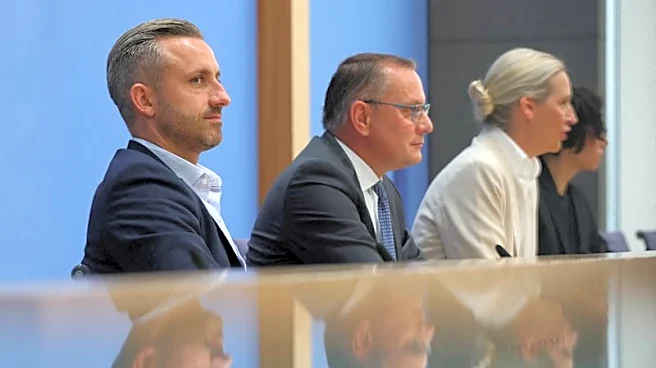
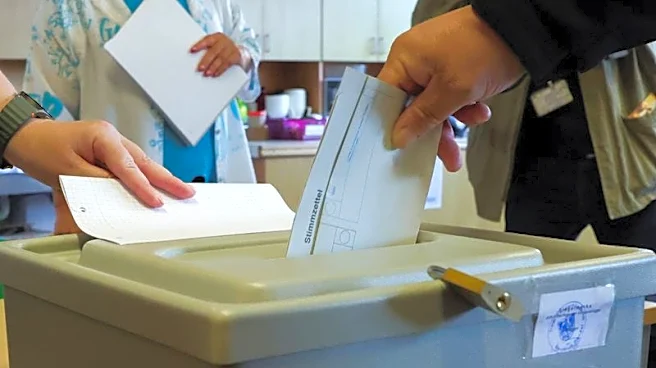
Mike Lee, R-Utah, who questioned whether mainstream media ever uses the term 'far-left.' Senator Lee's comment was prompted by a BRICS News account post that labeled 'Alternative for Germany' (AfD), the winning party in the German state of Saxony-Anhalt elections, as 'far-right.' Musk asserted that traditional media outlets are 'far-left' themselves, which explains why they perceive what they call 'far-right' as the norm. This exchange has ignited a broader debate about the consistency and fairness of political terminology used by media organizations, particularly in their characterization of political movements and election results.
Why It's Important?
The accusations by Elon Musk and Senator Mike Lee regarding media bias are important because they contribute to a growing public discourse about the perceived objectivity and impartiality of news reporting. In an increasingly polarized political landscape, the language used by media outlets to describe political parties and movements can significantly influence public perception and trust. If a substantial portion of the public believes that traditional media consistently applies labels like 'far-right' but rarely 'far-left,' it can deepen cynicism towards established news sources and exacerbate political divisions. This debate also highlights the influence of social media platforms, like X, in shaping narratives and challenging traditional media's authority. The discussion underscores the ongoing struggle to define and categorize political ideologies in a way that is perceived as fair and accurate by all sides, impacting how citizens consume and interpret political information.
What's Next?
This ongoing debate is likely to continue, with social media platforms serving as a primary arena for such discussions. Traditional media outlets may face increased scrutiny and pressure to address concerns about their use of political terminology and perceived biases. This could lead to internal reviews of editorial guidelines or public statements defending their journalistic practices. Conversely, critics of Musk and Lee may argue that their accusations are part of a broader effort to discredit legitimate reporting on right-wing movements. The conversation could also prompt media consumers to become more critical of the sources they engage with, potentially leading to a further fragmentation of news consumption along ideological lines. Ultimately, this dialogue contributes to the evolving landscape of media trust and the challenges of maintaining a shared understanding of political realities.
Beyond the Headlines
Beyond the immediate accusations, this debate touches upon the deeper implications of media's role in shaping public discourse and democratic processes. The consistent labeling of certain political groups as 'far-right' without perceived equivalent labeling for 'far-left' groups can create an imbalance in public perception, potentially marginalizing certain viewpoints or normalizing others. This raises ethical questions about the power of language in journalism and the responsibility of media organizations to foster informed and balanced public debate. The involvement of influential figures like Elon Musk amplifies these concerns, given his platform's reach and his stated commitment to free speech. This situation could contribute to a long-term shift in how media bias is understood and addressed, potentially leading to new forms of media literacy initiatives or alternative news models that aim to provide more ideologically diverse perspectives.