





What's Happening?
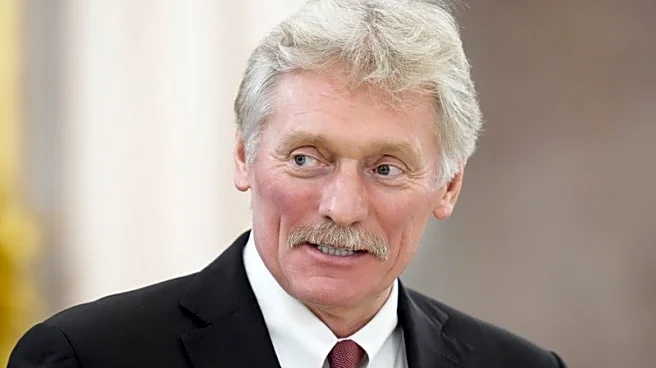
Russia and Ukraine have confirmed that trilateral talks with the United States will take place in Abu Dhabi, United Arab Emirates, on November 10-11. These discussions will focus on key security and peace issues. Kremlin Spokesman Dmitry Peskov stated
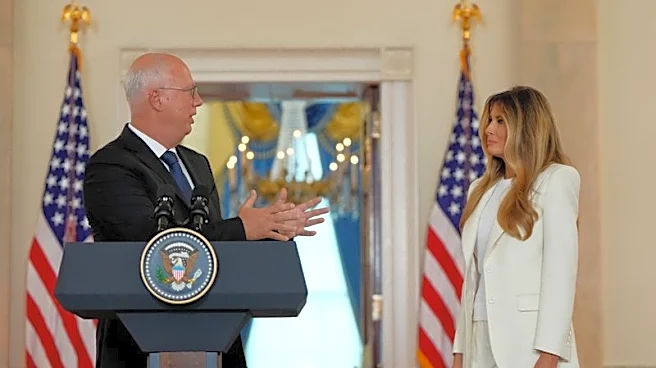
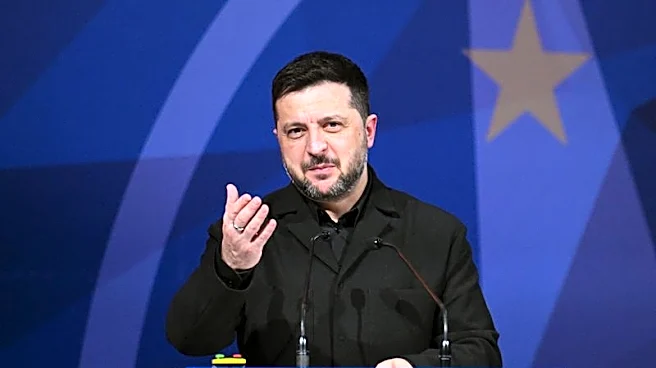
that the talks will address security and security guarantee-related issues, emphasizing that one nation's security should not come at the expense of another's. Ukrainian President Volodymyr Zelenskyy outlined Kyiv's priorities for the talks, which include a ceasefire covering energy and critical infrastructure, the resumption of grain exports via the Black Sea, and the acceleration of prisoner exchanges. U.S. special envoy Steve Witkoff confirmed that the U.S. will mediate these working-level negotiations to help end the conflict, with discussions also expected to cover security guarantees and post-war reconstruction for Ukraine.
Why It's Important?
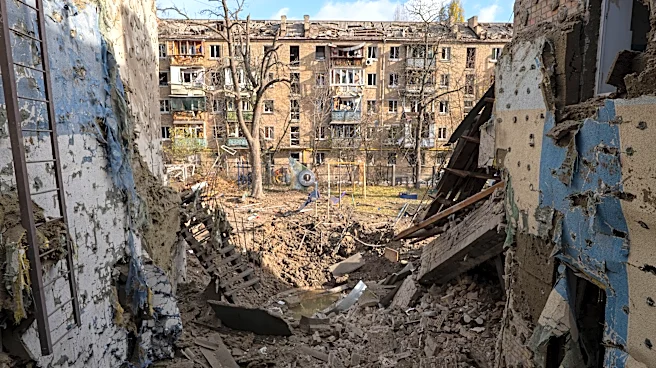
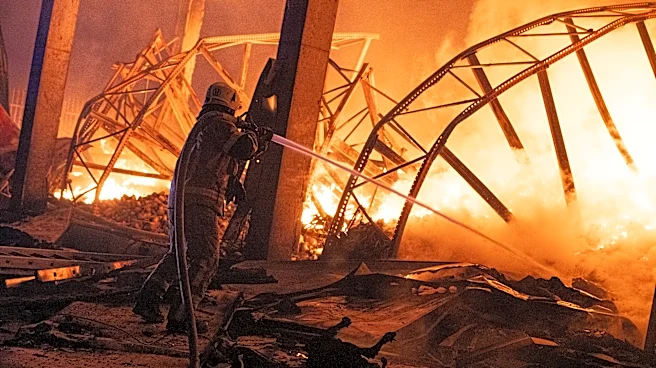
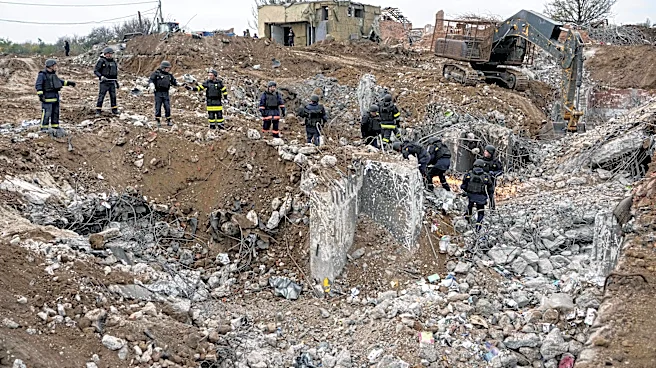
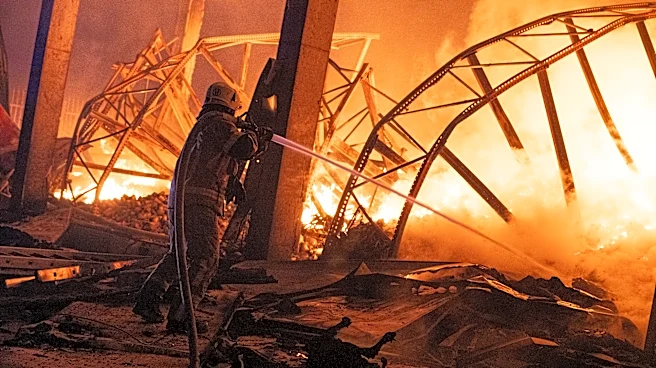
These trilateral talks represent a significant diplomatic effort to de-escalate the ongoing conflict between Russia and Ukraine. The involvement of the U.S. as a mediator underscores the international community's commitment to finding a peaceful resolution. The focus on a ceasefire for energy and critical infrastructure is particularly crucial given Russia's recent intensified attacks on Ukraine's power grid, which have caused widespread outages and humanitarian concerns. Successful negotiations on grain exports via the Black Sea could alleviate global food security issues, while progress on prisoner exchanges would address humanitarian concerns. For the U.S., these talks are an opportunity to advance its foreign policy objectives of promoting stability and upholding international law, while also addressing the security concerns of its allies.
What's Next?
The upcoming talks in Abu Dhabi will be closely watched for any breakthroughs or signs of progress towards a lasting peace. The immediate focus will be on achieving a ceasefire, particularly concerning critical infrastructure, and addressing humanitarian issues. While Peskov ruled out European participation in this specific trilateral format, he indicated that Russia would eventually engage in dialogue with European nations regarding Europe's future security architecture. The discussions on security guarantees and post-war reconstruction for Ukraine will lay the groundwork for long-term stability and recovery. The success of these talks could influence future diplomatic engagements and the overall trajectory of the conflict.
Beyond the Headlines
The decision to hold these talks in Abu Dhabi, outside of traditional European diplomatic centers, could signal a broader shift in international mediation efforts, potentially involving non-traditional actors in global conflict resolution. The emphasis on security guarantees for both Russia and Ukraine highlights the complex and interconnected nature of regional security, where the concerns of all parties must be addressed for a sustainable peace. The exclusion of Europe from this initial trilateral format, while temporary, raises questions about the future role of European powers in shaping the continent's security landscape. Furthermore, the talks will inevitably touch upon the broader implications of the conflict for international trade, energy markets, and global alliances, making their outcomes far-reaching.