






What's Happening?
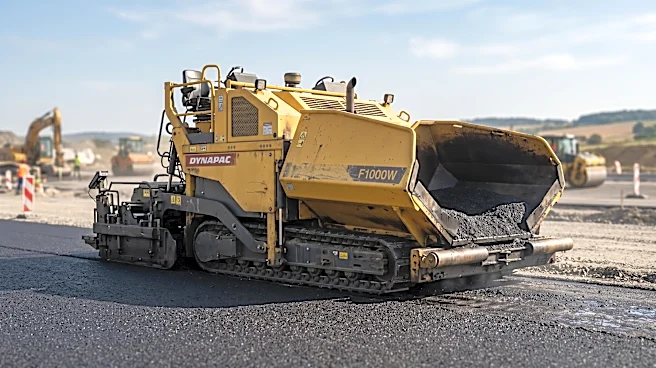
DuPage County has included a significant road improvement project in Naperville as one of its eight 'major capital projects' for the 2027-2031 Transportation Improvement Plan. The project focuses on intersection improvements and roadway upgrades along
Naperville Road, specifically the stretch between I-88 and Ridgeland Avenue on the city's north side. This initiative is a continuation of ongoing construction that began in 2026 and is anticipated to cause intermittent lane closures until its expected completion in the fall of 2027. The broader DuPage County Transportation Improvement Program outlines over $322 million in construction projects for the next five years, funded by both county and federal resources. These funds are allocated to maintain infrastructure, enhance safety, and alleviate traffic congestion across the county. Approximately half of this budget is dedicated to roadway maintenance and safety, with additional investments in new sidewalks, multiuse paths, trails, and about $20 million for drainage improvements to mitigate flooding.
Why It's Important?
This prioritization by DuPage County underscores a commitment to enhancing regional infrastructure, which is crucial for economic vitality and resident quality of life in Naperville and surrounding areas. Improved roadways and intersections can significantly reduce commute times, decrease traffic accidents, and support local commerce by facilitating smoother transportation of goods and services. The investment in drainage improvements also addresses long-standing concerns about flooding, which can protect property values and reduce public safety risks during severe weather events. For residents, these upgrades mean safer travel and potentially less congestion, while businesses could benefit from better accessibility and reduced logistical challenges. The comprehensive nature of the plan, including multiuse paths, also promotes alternative transportation methods, aligning with broader goals of sustainability and public health by encouraging walking and cycling.
What's Next?
Construction on the Naperville Road project is already underway and is expected to continue with intermittent lane closures until its anticipated completion in fall 2027. Residents and commuters in Naperville should anticipate ongoing traffic adjustments and plan their routes accordingly. The DuPage County Division of Transportation will likely provide regular updates on construction progress and any significant traffic impacts. Beyond this specific project, the county will proceed with the other seven major capital projects outlined in its 2027-2031 plan, along with numerous smaller maintenance and safety initiatives. Stakeholders, including local businesses and community groups, will likely monitor the progress of these projects, particularly those that directly affect their operations or daily routines. The county's Transportation Committee, chaired by Mary FitzGerald Ozog, will continue to oversee the implementation of these initiatives, ensuring they align with the program's goals of improving safety, accessibility, and overall mobility.
Beyond the Headlines
The long-term implications of DuPage County's extensive transportation plan extend beyond immediate traffic relief and safety improvements. Such significant infrastructure investments can influence regional development patterns, potentially attracting new businesses and residents to areas with enhanced connectivity. The focus on multiuse paths and trails also reflects a growing trend towards integrated urban planning that prioritizes active transportation and green infrastructure, contributing to a more sustainable and livable community. Ethically, the allocation of substantial public funds for these projects highlights the ongoing challenge of balancing immediate community needs with long-term strategic planning and fiscal responsibility. The success of these projects will depend not only on their completion but also on their ability to adapt to future population growth and evolving transportation demands, potentially setting a precedent for how other suburban counties approach their infrastructure development.