





What's Happening?
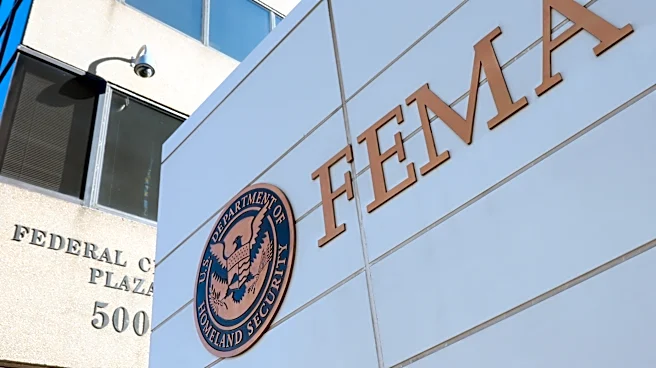
The Federal Emergency Management Agency (FEMA), in coordination with the Federal Communications Commission (FCC), conducted a nationwide test of the Emergency Alert System (EAS) on Tuesday afternoon. The routine drill, which began at approximately 2:20
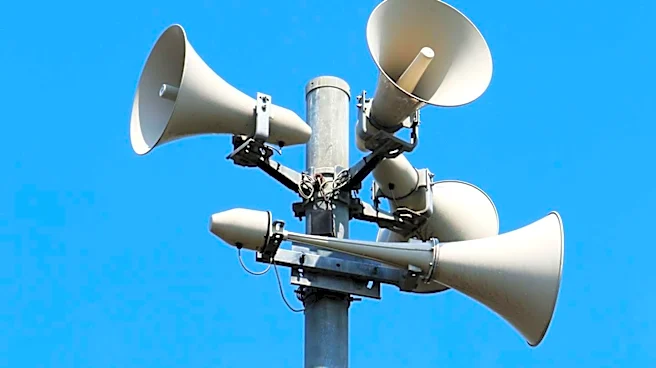
p.m. ET, was relayed by radio and television stations across the U.S. Initial reports indicate that the test proceeded without significant technical problems. The alert message was 18 seconds long and was broadcast in both English and Spanish across various platforms, including radio stations, TV broadcasters, cable systems, satellite providers, and wireline video operators. Unlike a previous nationwide test in October 2023, this drill did not include Wireless Emergency Alerts on mobile phones. FEMA Administrator Cameron Hamilton stated that such operational tests are crucial for identifying and resolving potential issues before an actual emergency necessitates the system's use. Some stations, like KDKA(FM) in Pittsburgh, provided advance warnings to their listeners about the upcoming test.
Why It's Important?
This nationwide EAS test is a critical exercise for ensuring the reliability and effectiveness of the U.S. public warning system. A functional EAS is vital for disseminating urgent information during national emergencies, natural disasters, or other critical events, directly impacting public safety and preparedness. The successful execution of the test, with minimal reported technical glitches, reinforces confidence in the system's ability to reach a broad audience. For broadcasters and other participating entities, it validates their operational readiness and compliance with federal regulations. The post-test reporting requirements for stations, including submitting data to the FCC's EAS Test Reporting System (ETRS), are essential for FEMA and the FCC to analyze performance, identify areas for improvement, and ensure accountability across the vast network of alert originators and distributors. This ongoing evaluation process helps to strengthen the infrastructure that protects American communities.
What's Next?
Following the on-air portion of the nationwide EAS test, radio engineers and station managers are now focused on mandatory post-test reporting. Stations are required to submit day-of-test reporting data via ETRS Form Two within 48 hours of the alert, setting a deadline of 2:20 p.m. ET on Thursday, November 19. More detailed post-test filings, known as ETRS Form Three, are due within 45 days of the test, with a final deadline of Monday, January 4, 2027. FEMA and the FCC will analyze the collected data to assess the overall performance of the system and identify any areas needing improvement. The FCC is also expected to issue its own report on how EAS participants performed, though this typically takes several months to be published. These analyses will inform future adjustments and enhancements to the Emergency Alert System, ensuring its continued effectiveness in serving the public.
Beyond the Headlines
The successful execution of the nationwide EAS test extends beyond mere technical functionality; it underscores the ongoing commitment to national preparedness and resilience in the face of potential crises. In an era where misinformation can spread rapidly, the reliability of official communication channels like EAS becomes even more paramount. The test also highlights the complex interplay between government agencies, broadcasters, and technology providers in maintaining a robust public safety infrastructure. The absence of Wireless Emergency Alerts (WEA) in this particular test, compared to previous drills, suggests a strategic decision to focus on specific components of the system, potentially to refine different alert delivery mechanisms independently. This layered approach to testing ensures that each facet of the emergency communication network is thoroughly vetted, contributing to a more comprehensive and dependable system for informing the public during critical events.