


What's Happening?
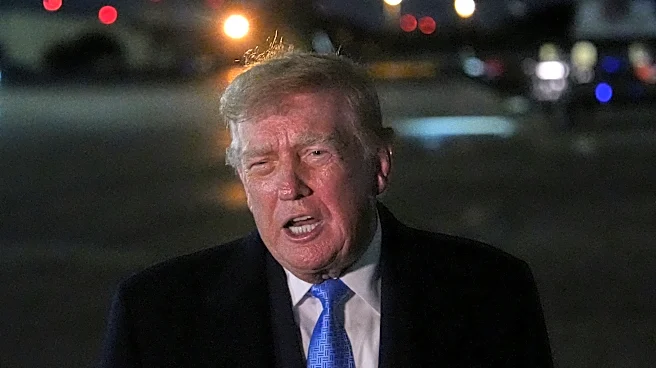
Maryland Governor Wes Moore is facing increasing questions regarding press access and transparency within his administration, even as he undertakes a national tour. While Governor Moore has publicly criticized President Trump's actions concerning press access,
his own administration has been accused of creating barriers for journalists in Maryland. These barriers include unanswered questions, limited opportunities for direct questioning of the governor, and, most recently, routing press inquiries through legal review due to a defamation lawsuit filed against Moore by a media executive. Reports indicate that state agencies have been instructed to send requests from certain news outlets to a legal team for review, even for topics unrelated to the lawsuit. This situation has led to concerns about the flow of public information and the ability of the press to hold the government accountable.
Why It's Important?
The issues surrounding press access and transparency in Maryland under Governor Moore's administration are significant for the principles of a free press and democratic governance. A robust and unhindered press is crucial for informing the public, scrutinizing government actions, and ensuring accountability. When access is restricted or inquiries are delayed through legal channels, it can impede the public's right to know and potentially undermine trust in government. This situation also highlights the tension that can arise between public officials and the media, especially when reporting is perceived as unfavorable. The implications extend beyond journalism, affecting citizens' ability to understand and engage with their state government, and potentially setting a precedent for how administrations handle media relations and public information requests.
What's Next?
The ongoing scrutiny of Governor Moore's administration regarding press access is likely to continue, with media organizations and press associations advocating for greater transparency and open communication. The defamation lawsuit filed against Moore will proceed through the legal system, and its outcome could influence future interactions between the administration and the press. There may be continued calls for the governor to establish more regular and accessible press conferences or to clarify the protocols for handling media inquiries, particularly those currently being routed through legal review. The situation could also prompt broader discussions about the balance between a public official's right to address perceived inaccuracies and the public's right to timely and unfettered access to information from their government.
Beyond the Headlines
Beyond the immediate concerns of press access, this situation touches upon deeper ethical and legal dimensions concerning the role of media in a democratic society and the responsibilities of public officials. The use of legal review for general press inquiries, even if stemming from a specific lawsuit, raises questions about potential chilling effects on reporting and the weaponization of legal processes to control information flow. It also highlights the challenge for public figures to manage their public image and respond to critical reporting while upholding the principles of transparency. The long-term implications could include a shift in how state governments interact with local media, potentially leading to a more adversarial relationship or, conversely, prompting reforms to ensure greater openness and accountability in public communications.