

What's Happening?
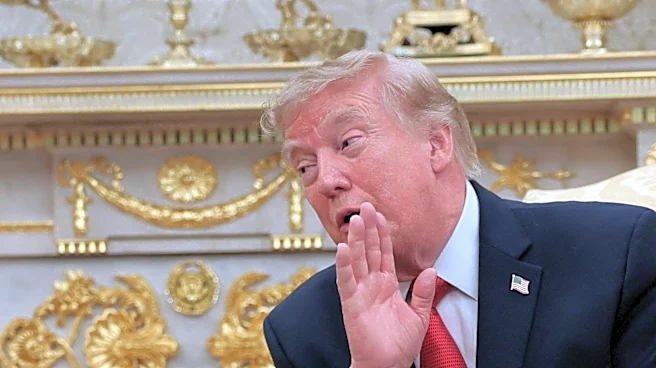
The U.S. recognition of Moroccan sovereignty over Western Sahara, initiated by President Trump in December 2020, is being criticized as a perpetuation of colonialism in the 21st century. This decision, made in exchange for Morocco normalizing relations
with Israel as part of the Abraham Accords, is viewed by some as treating a territory pending decolonization as a bargaining chip. Western Sahara remains on the United Nations list of non-self-governing territories, with Spain still considered the de jure administering power. The Polisario Front, recognized by the UN and African Union as the legitimate representative of the Sahrawi people, continues to advocate for a self-determination referendum, which has been delayed for over three decades despite the establishment of MINURSO in 1991 to oversee it. Morocco's claim to the territory is supported by strategic alliances with Western powers and Israel, while critics argue this alliance maintains a scenario of war and occupation to control the region's rich natural resources.
Why It's Important?
The U.S. stance on Western Sahara has significant implications for international law and the principle of self-determination. By recognizing Moroccan sovereignty, the U.S. has departed from a long-standing international consensus that calls for a referendum for the Sahrawi people. This move is seen by some as undermining the authority of the United Nations and potentially setting a precedent for other disputed territories. The strategic alliance between Morocco, the U.S., and Israel, particularly in the context of the Abraham Accords, reconfigures geopolitical dynamics in North Africa and the Middle East. This shift benefits Morocco by solidifying its claims and securing military and political backing, while potentially marginalizing the Polisario Front and its supporters. The continued exploitation of Western Sahara's natural resources, including phosphates, fishing, and hydrocarbons, without the consent of the local population, raises ethical concerns about economic justice and resource control.
What's Next?
The U.S. position, while established, continues to face international scrutiny and calls for reversal. The Polisario Front and its allies will likely continue to press for the implementation of UN resolutions demanding a self-determination referendum. The recent extension of MINURSO's mandate by the UN Security Council, despite the U.S. recognition, indicates a persistent international commitment to a peaceful resolution. The appointment of a new UN Personal Envoy for Western Sahara could potentially re-energize diplomatic efforts, though the U.S. position remains a significant hurdle. Future U.S. administrations may face pressure to re-evaluate this policy, especially if regional instability escalates or if international legal challenges gain traction. The ongoing struggle highlights the enduring tension between geopolitical interests and the rights of indigenous populations.
Beyond the Headlines
The Western Sahara conflict is a poignant example of how historical colonial legacies continue to shape contemporary international relations and human rights issues. The U.S. decision, while framed as a diplomatic achievement in the Abraham Accords, has deeper implications for the credibility of international institutions and the enforcement of self-determination principles. The narrative of 'justice does not prescribe' for the Sahrawi people underscores a broader global struggle against neocolonialism, where powerful nations and their allies are perceived to exploit resources and disregard international law. This situation also highlights the complex interplay of economic interests, security alliances, and human rights, revealing how geopolitical maneuvers can impact the fundamental rights and dignity of a people. The silence of major media outlets and Western governments on this issue, as noted by critics, further complicates the path to a just resolution.