





What's Happening?
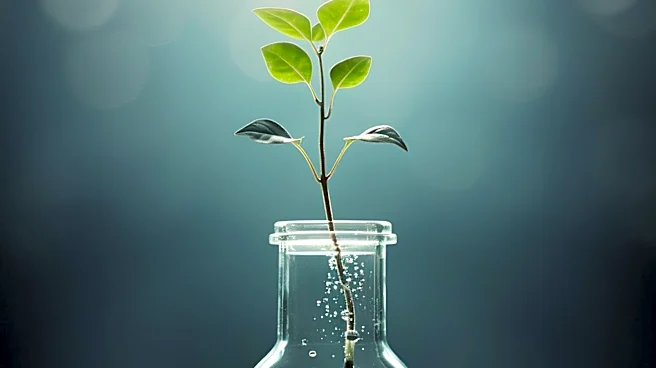
Cryopreservation of plants is a scientific method employed to safeguard plant genetic resources, particularly focusing on medicinal plants. This technique involves storing plant materials such as seeds, embryos, or other tissues at extremely low temperatures
to maintain their viability over extended periods. The process is significantly bolstered by advanced biotechnological tools and is a key component of initiatives like CGIAR's Genebanks Accelerator. These efforts aim to improve the accessibility and impact of genetic resources globally through stringent conservation practices, supportive policies, and high-standard phytosanitary controls. Additionally, cryopreservation is frequently integrated with other plant propagation methods, including micropropagation, synthetic seed technology, and in vitro regeneration, to facilitate the rapid multiplication and preservation of diverse plant species. This comprehensive approach ensures the long-term survival and availability of crucial plant genetic material for future use and research.
Why It's Important?
The advancement and widespread application of plant cryopreservation techniques hold significant importance for U.S. agriculture, scientific research, and biodiversity conservation. By preserving a diverse range of plant genetic resources, including medicinal plants, the U.S. can safeguard against the loss of valuable species due to environmental changes, diseases, or habitat destruction. This is crucial for maintaining genetic diversity, which is essential for developing new crop varieties that are more resilient to pests, droughts, and other stressors, thereby enhancing food security. Furthermore, the preservation of medicinal plants supports pharmaceutical research and the development of new treatments, potentially benefiting public health and the economy. The integration of cryopreservation with micropropagation and other biotechnological tools also accelerates the availability of plant materials for research and commercial applications, fostering innovation in biotechnology and agriculture. This ensures that future generations have access to a rich genetic library for adaptation and development.
What's Next?
The ongoing development and refinement of cryopreservation protocols are expected to lead to more efficient and cost-effective methods for preserving a wider array of plant species, including those that are currently difficult to cryopreserve. Future efforts will likely focus on optimizing storage conditions and improving the success rates of regeneration from cryopreserved materials. There will also be an increased emphasis on integrating these advanced preservation techniques into national and international genebank networks to create a more robust and interconnected system for genetic resource conservation. Collaboration between research institutions, agricultural organizations, and governmental bodies will be crucial in establishing standardized practices and sharing expertise. This will facilitate the broader application of cryopreservation, ensuring that a comprehensive collection of plant genetic diversity is maintained and readily accessible for research, breeding programs, and ecological restoration initiatives.
Beyond the Headlines
Beyond the immediate benefits of preserving plant genetic resources, the widespread adoption of cryopreservation techniques has deeper implications for global food security and ecological resilience. The ability to store genetic material indefinitely provides a critical buffer against unforeseen environmental catastrophes or widespread crop failures, offering a lifeline for agricultural recovery and adaptation. Ethically, it raises questions about humanity's responsibility to preserve biodiversity and the long-term stewardship of natural resources. Legally, it may necessitate the development of international agreements and intellectual property frameworks to govern access to and utilization of these preserved genetic materials, especially for species with economic or medicinal value. Culturally, the preservation of traditional and indigenous plant varieties through cryopreservation can help maintain cultural heritage and knowledge associated with these plants, which are often integral to local communities' identities and practices. This technology represents a proactive step towards mitigating the impacts of climate change and biodiversity loss, ensuring a more sustainable future.