




What's Happening?
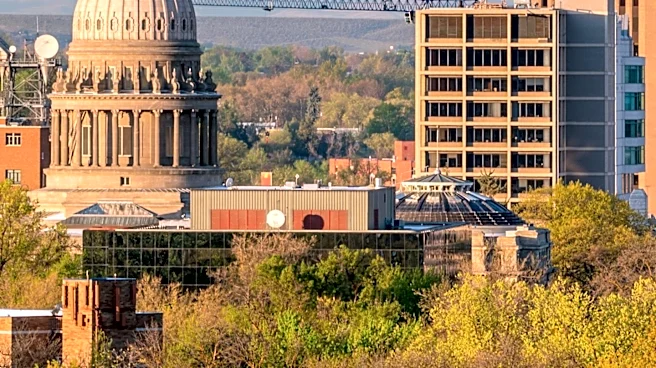
The City of Boise has announced the recipients of its Youth Climate Action Fund 2026 awards, providing funding for ten innovative, youth-led climate initiatives. This marks the third consecutive year Boise has received funding for this program, powered
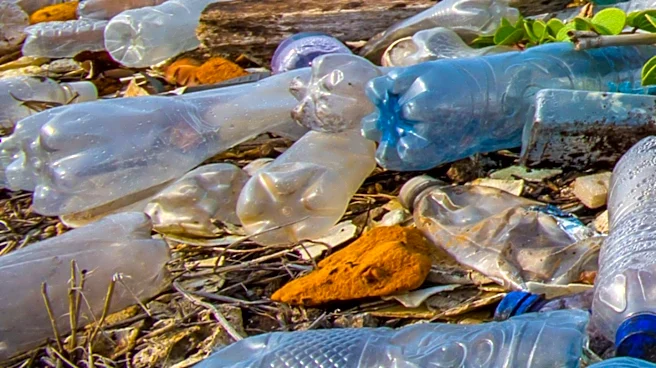
by Bloomberg Philanthropies in partnership with United Cities and Local Governments and the Bloomberg Center for Public Innovation at Johns Hopkins University. Each selected project will receive $5,000 and is slated for implementation between January and April 2027. The initiatives aim to empower local youth aged 15-24 to engage in bold climate action. Projects include e-bike education with the Idaho Clean Transportation Coalition, IV bag plastic reuse with Idaho Clinicians for Climate & Health, the Boise Snow Project with Bogus Basin, school food waste reduction with One Stone, Claremont Fire restoration with the Idaho Environmental Education Association, and tree and native plant gardens with Trees Idaho. Boise Mayor Lauren McLean expressed appreciation for the young residents' hard work and looked forward to seeing the projects come to fruition.
Why It's Important?
This initiative is significant as it directly invests in youth leadership and community-driven solutions for climate change, aligning with Boise's commitment to bold climate action. By empowering young people to design and implement climate projects, the city fosters a sense of ownership and responsibility among the next generation of leaders. The diverse range of projects, from e-bike education to fire restoration and waste reduction, addresses various facets of environmental sustainability, contributing to a more resilient Boise. This program also highlights the effectiveness of public-private partnerships, with funding from Bloomberg Philanthropies amplifying local efforts. The success of these youth-led initiatives can serve as a model for other cities looking to engage their younger populations in addressing environmental challenges, potentially leading to broader adoption of similar programs across the U.S. and strengthening local climate resilience efforts.
What's Next?
The ten awarded projects are scheduled for implementation from January through April 2027. During this period, the youth leaders, in collaboration with their partner organizations, will execute their climate action plans. This will involve practical work such as conducting e-bike education workshops, establishing IV bag recycling programs, engaging in snow-related environmental studies, implementing food waste reduction strategies in schools, participating in fire restoration efforts, and planting trees and native gardens. The City of Boise will likely monitor the progress and impact of these projects, potentially showcasing their successes to encourage further community involvement and secure future funding. The outcomes of these initiatives could inform future climate policies and programs within Boise, demonstrating the tangible benefits of youth engagement in environmental stewardship and potentially inspiring more young people to pursue careers or activism in climate action.
Beyond the Headlines
Beyond the immediate environmental benefits, this program cultivates civic engagement and leadership skills among young people, which are crucial for long-term community development. By providing youth with resources and platforms to address real-world problems, the City of Boise is investing in human capital and fostering a generation of environmentally conscious citizens. This approach also subtly shifts the narrative around climate action from a top-down mandate to a grassroots, community-driven effort, making it more accessible and relatable. The collaboration between youth, local organizations, and philanthropic entities demonstrates a holistic model for tackling complex issues, emphasizing that effective climate solutions often require diverse perspectives and collective action. This initiative could inspire a broader cultural shift towards greater youth involvement in local governance and problem-solving, extending beyond environmental issues to other community challenges.