
What's Happening?
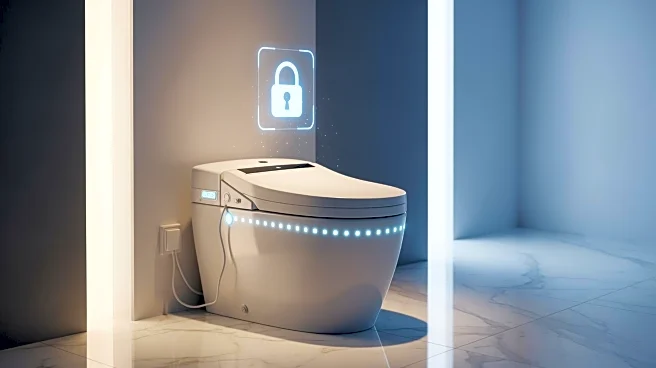
Kohler's smart toilet device, the Dekota, has come under scrutiny after security researcher Simon Fondrie-Teitler revealed that it does not use true end-to-end encryption as claimed. The device, which
analyzes bodily waste and uploads data to Kohler's servers, only encrypts data from the device to the server, not between user devices. This revelation has led Kohler to remove references to end-to-end encryption from its product descriptions. The issue highlights broader concerns about privacy and data security in smart home devices, especially those handling sensitive personal information.
Why It's Important?
The lack of true end-to-end encryption in Kohler's Dekota device raises significant privacy concerns, particularly as smart home devices become more integrated into daily life. Consumers expect their personal data to be protected, especially when it involves sensitive information. This incident underscores the need for transparency and accountability in the tech industry regarding data security claims. It also highlights the potential risks associated with the increasing use of smart devices that collect and transmit personal data, prompting calls for stricter regulations and standards to protect consumer privacy.
What's Next?
Following the exposure of the encryption issue, Kohler may face increased scrutiny from both consumers and regulatory bodies. The company might need to implement stronger security measures and provide clearer communication about data protection practices. This situation could also lead to broader industry discussions about the standards for data encryption in smart devices. Consumers may become more cautious about adopting new technologies, demanding better assurances of privacy and security. Regulatory agencies might consider introducing stricter guidelines to ensure companies adhere to robust data protection practices.