



What's Happening?
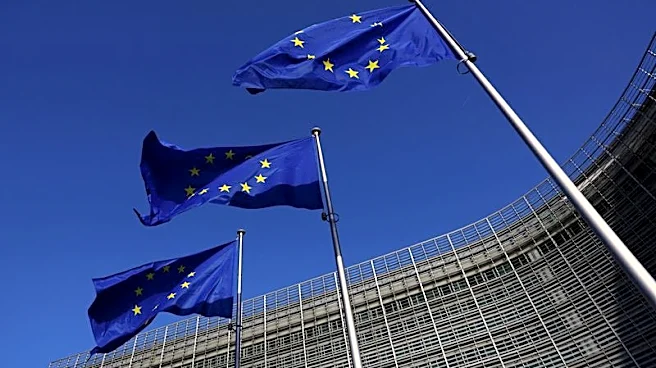
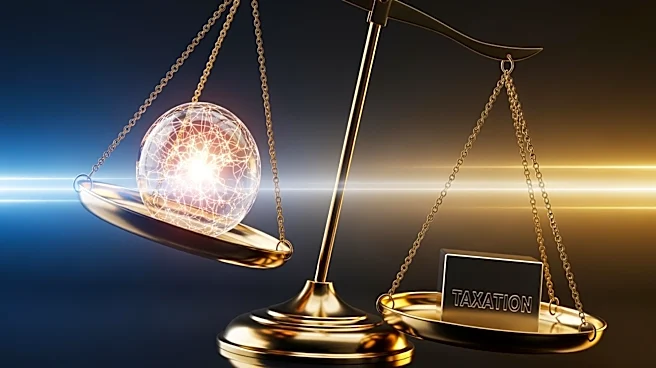
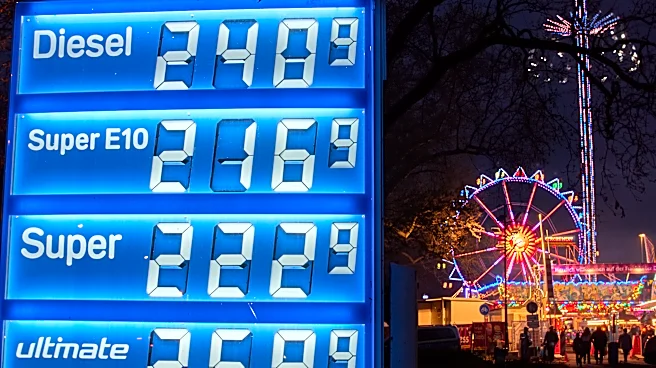
Five European Union countries, including Germany, Italy, Spain, Portugal, and Austria, have called for a windfall tax on energy companies' profits due to rising fuel prices linked to the ongoing conflict involving Iran. The finance ministers addressed
a letter to the EU Commission, urging the development of an EU-wide tax to fund consumer relief and curb inflation without burdening public budgets. This proposal comes as oil and gas prices have surged following U.S.-Israeli strikes on Iran, reminiscent of the energy crisis experienced after Russia's invasion of Ukraine in 2022. The EU Commission is currently assessing the proposal, which aims to address market distortions and fiscal constraints.
Why It's Important?
The proposed windfall tax is significant as it seeks to mitigate the financial impact of rising energy prices on consumers across Europe. By taxing the profits of energy companies, the EU aims to provide relief to households facing increased costs, thereby reducing inflationary pressures. This measure also highlights the EU's vulnerability to geopolitical conflicts affecting global energy markets, emphasizing the need for diversified energy sources. The initiative could set a precedent for similar policies in response to future energy crises, potentially influencing global energy policy and market dynamics.
What's Next?
The EU Commission's assessment of the windfall tax proposal will determine its feasibility and potential implementation. If adopted, the tax could lead to increased scrutiny of energy companies' profits and operations, prompting them to adjust their strategies. Additionally, the proposal may spark debates among EU member states regarding energy policy and fiscal measures, influencing future legislative actions. The ongoing conflict in the Middle East and its impact on energy prices will continue to be a critical factor in shaping EU energy policy and international relations.