

What's Happening?
The Environmental Protection Agency (EPA) has proposed the inclusion of microplastics and pharmaceuticals on its Contaminant Candidate List for drinking water. This marks the first time these substances are being considered for regulation under the Safe
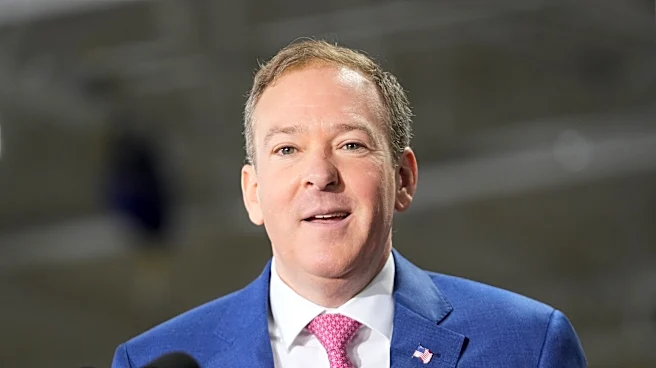
Drinking Water Act. EPA Administrator Lee Zeldin announced the proposal, responding to public concerns about the presence of these contaminants in drinking water. The draft list, which opens a 60-day public comment period, includes four contaminant groups: microplastics, pharmaceuticals, PFAS, and disinfection byproducts, along with 75 chemicals and nine microbes. The EPA aims to finalize the list by mid-November, potentially leading to new limits on these substances for water utilities.
Why It's Important?
The proposal is significant as it addresses growing concerns about the safety of drinking water in the U.S. Microplastics and pharmaceuticals have been found in water supplies, raising health concerns due to their potential impacts on human health. The inclusion of these contaminants in the list is a step towards regulation, which could lead to improved water quality and public health protection. Environmental groups, such as the Natural Resources Defense Council, have been advocating for stricter regulations, and this move by the EPA could be seen as a response to such pressures. However, the process of regulating these contaminants is lengthy and often ends without significant action, highlighting the challenges in addressing environmental issues.
What's Next?
The EPA's proposal opens a 60-day public comment period, allowing stakeholders to provide input on the draft list. Following this, the agency will review the comments and finalize the list by mid-November. The inclusion of microplastics and pharmaceuticals could lead to further research and potential regulatory actions. Environmental advocates are likely to continue pushing for stricter regulations, while industry groups may seek standardized monitoring practices. The outcome of this process could influence future policies on water safety and environmental protection.
Beyond the Headlines
The proposal reflects broader environmental and public health concerns, particularly the impact of plastic pollution and pharmaceutical residues on ecosystems and human health. The U.S. is involved in international discussions on plastic pollution, but faces challenges in balancing economic interests with environmental protection. The EPA's move could signal a shift towards more comprehensive environmental policies, addressing not only water safety but also broader issues like plastic production and pollution.