







What's Happening?
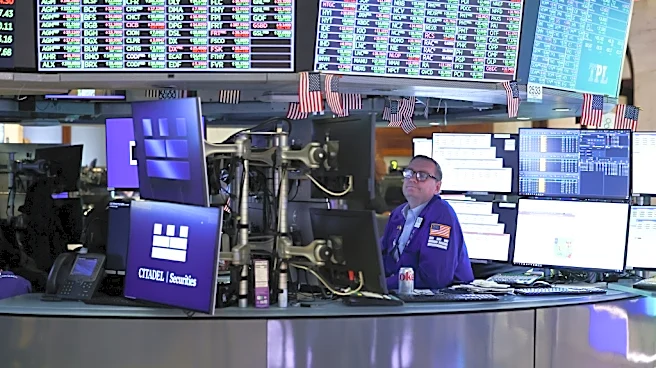
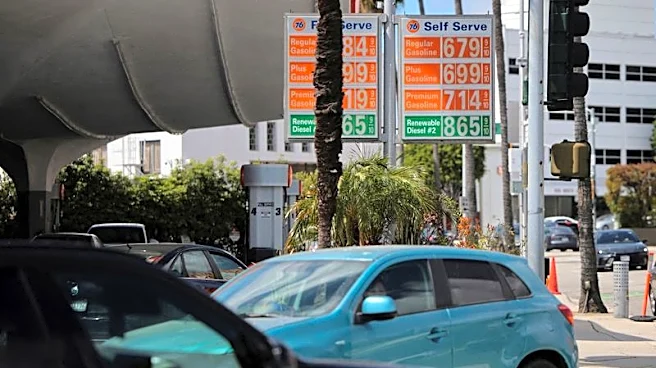
CBS News business analyst Jill Schlesinger discusses the potential economic impacts of a temporary ceasefire between the U.S. and Iran. The ceasefire could lead to relief at the gas pump for Americans, as tensions in the Middle East often influence oil
prices. The discussion highlights how geopolitical events can affect consumer spending and the broader U.S. economy. The ceasefire is seen as a temporary measure, and its effects on the economy will depend on its duration and the stability it brings to the region.
Why It's Important?
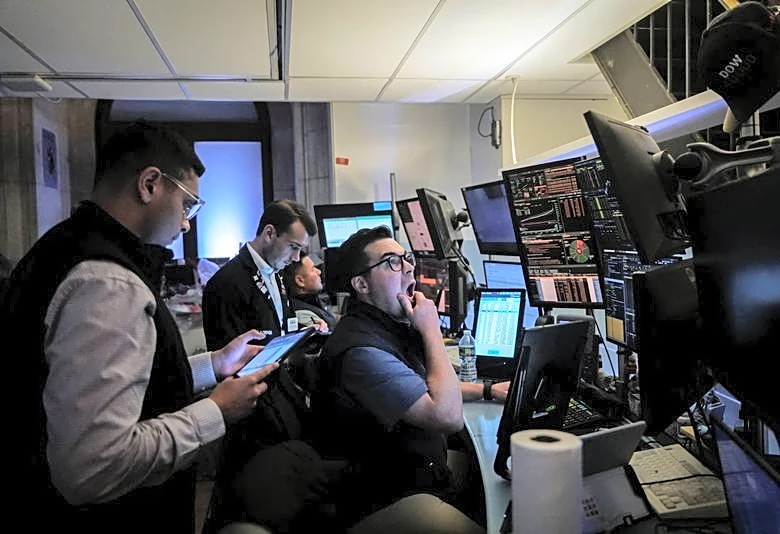
The ceasefire between the U.S. and Iran is significant as it could stabilize oil prices, which have been volatile due to geopolitical tensions. Lower oil prices can lead to reduced costs for transportation and goods, potentially boosting consumer spending. This development is crucial for the U.S. economy, which is sensitive to changes in energy prices. Industries reliant on oil, such as transportation and manufacturing, could benefit from more predictable pricing. However, the temporary nature of the ceasefire means that any economic benefits could be short-lived if tensions resume.
What's Next?
The future of the ceasefire remains uncertain, and its impact on the U.S. economy will depend on the actions of both the U.S. and Iran. If the ceasefire holds, it could lead to more stable oil prices and economic conditions. However, if tensions escalate, the U.S. could face higher energy costs and economic instability. Policymakers and businesses will need to monitor the situation closely and prepare for potential fluctuations in the market.