



What's Happening?
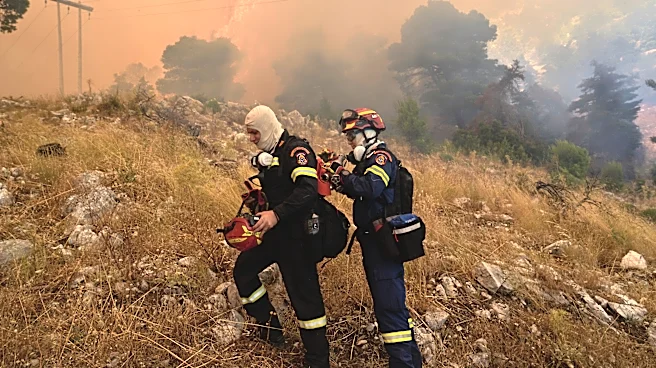
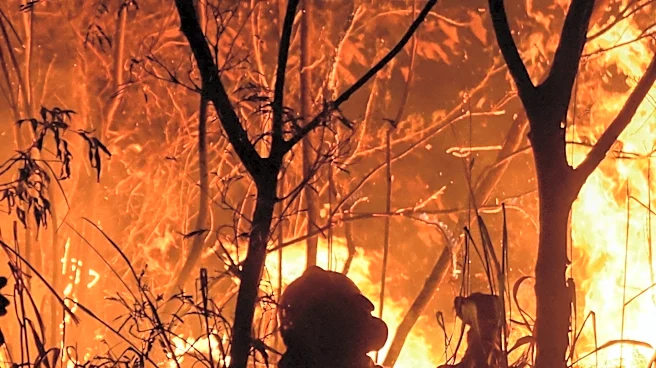
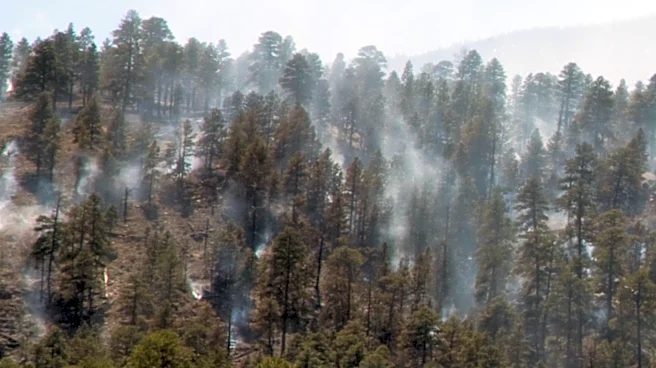
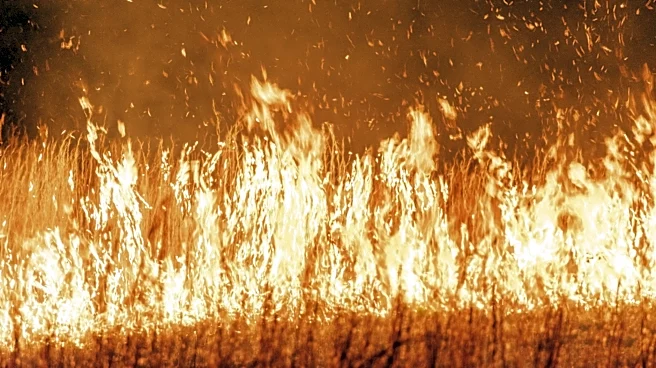
In July 2026, southwestern France experienced one of its most severe wildfire outbreaks in decades. The fires, which developed in the Gironde Department, were exacerbated by a combination of an unusually wet winter followed by heat waves and drought,
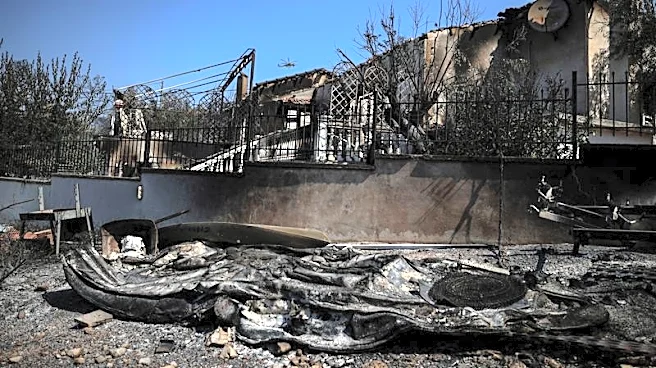
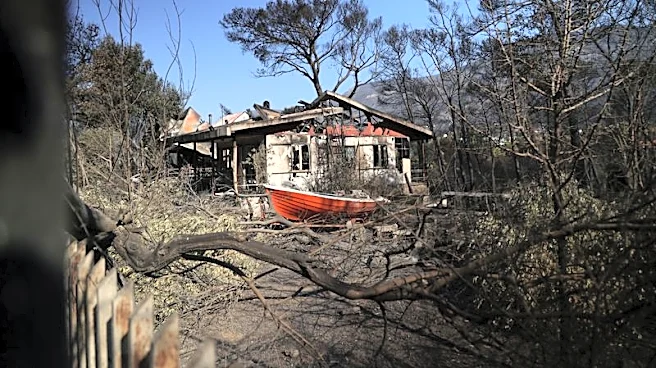
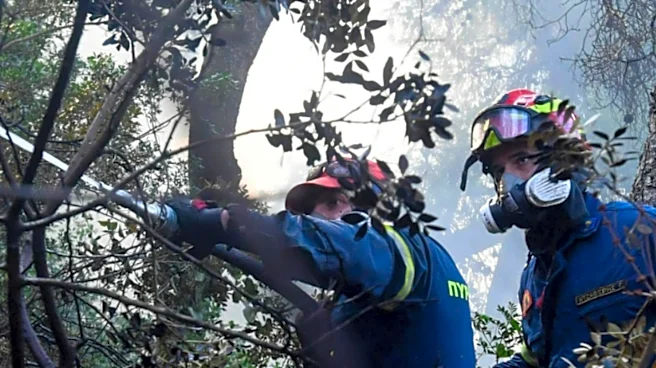
creating ideal conditions for wildfires. The situation was further intensified by strong winds, which helped the flames spread rapidly. The fires became so intense that they led to the formation of a pyrocumulonimbus, a rare type of 'fire cloud' that draws energy from the heat of the fires. This phenomenon was reported for the first time in France, although it has been observed in Spain and Portugal in the past. The wildfires forced widespread evacuations, destroyed homes, and devastated the village of Le Porge. By late July, over 90,000 hectares had been burned across France, marking the greatest area lost to fire in the country in decades.
Why It's Important?
The wildfires in southwestern France highlight the increasing frequency and intensity of such natural disasters, likely exacerbated by climate change. The formation of a pyrocumulonimbus cloud underscores the extreme conditions that can arise from these fires, posing significant challenges for firefighting efforts and public safety. The widespread destruction and evacuations have severe implications for local communities, affecting housing, infrastructure, and the economy. Additionally, the fires contribute to air pollution and carbon emissions, further impacting environmental and public health. The situation in France serves as a stark reminder of the urgent need for effective wildfire management strategies and climate change mitigation efforts to prevent similar disasters in the future.
What's Next?
As firefighting efforts continue, authorities have begun lifting some evacuation orders, although the risk remains high due to ongoing hot and dry conditions. The international community, including atmospheric scientists and wildfire specialists, is closely monitoring the situation to better understand the dynamics of such extreme fire events. This knowledge could inform future strategies for managing and mitigating the impact of wildfires. Additionally, the use of satellite technology for real-time tracking of wildfires is expected to play a crucial role in improving response times and resource allocation during such emergencies.
Beyond the Headlines
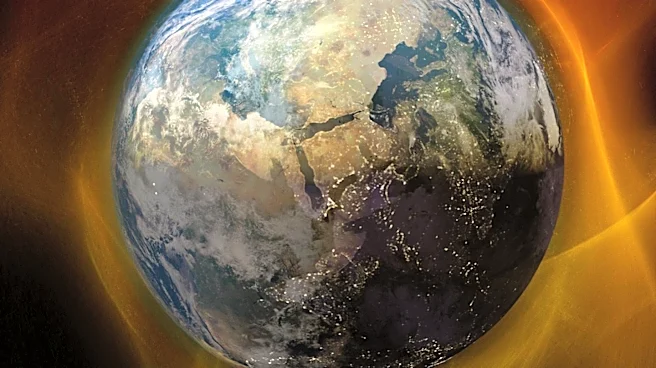
The occurrence of a pyrocumulonimbus cloud in France raises questions about the potential for more frequent and severe fire-related weather phenomena as global temperatures rise. This development could have long-term implications for how countries prepare for and respond to wildfires. The integration of advanced satellite monitoring systems and international collaboration in wildfire management may become increasingly important in addressing these challenges. Furthermore, the social and economic impacts of such disasters highlight the need for comprehensive recovery and support mechanisms for affected communities.