








What's Happening?
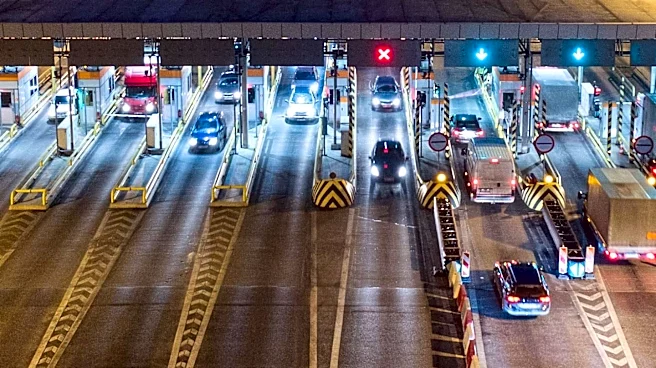
Orlando's I-4 Express lanes operate with an all-electronic tolling system, where charges are automatically recorded via transponders or license plate recognition as vehicles pass under overhead gantries. There are no cash booths or attendants. For rental
car users, this means tolls are billed through the rental company, which typically partners with third-party providers. Renters must confirm at the counter whether their vehicle has an active transponder, the specific fee structure for tolls (including daily fees, caps, and administrative charges), and how charges will be processed and appear on their statements. Toll prices on I-4 Express can vary based on traffic conditions, time of day, and direction, with electronic signs displaying current rates before entry. Drivers are advised to commit to entering or exiting the express lanes early, as last-second lane changes across solid markings are prohibited.
Why It's Important?
The electronic tolling system on Orlando's I-4 Express lanes presents a significant challenge for rental car drivers, who may be unfamiliar with the local infrastructure and billing complexities. Without proper understanding and confirmation at the rental counter, visitors risk incurring unexpected and potentially high administrative fees in addition to the tolls themselves. The system's design, which lacks physical payment options, means that any use of the express lanes will result in a recorded charge, which the rental company will then pass on to the renter. This situation can lead to frustration and financial surprises for tourists and business travelers, potentially impacting their overall experience in Orlando. For the local transportation authority, this system aims to manage traffic flow and generate revenue efficiently, but it necessitates clear communication and education for all drivers, especially those in rental vehicles.
What's Next?
Rental car customers in Orlando are strongly advised to proactively discuss tolling arrangements with their rental agency before driving off. Key questions should include whether a transponder is included and active, the exact fee structure for tolls, and the timeline for receiving toll charges. Drivers should also understand that they can generally avoid I-4 Express lanes by staying in the main I-4 lanes, though other toll roads in the region may still be encountered. If using navigation apps, ensuring the 'avoid tolls' setting is active can help, but it's not foolproof. Keeping rental paperwork and notes on travel times can assist in reconciling any delayed toll charges. The responsibility largely falls on the renter to be informed and make conscious decisions regarding toll road usage.
Beyond the Headlines
The I-4 Express tolling system highlights a broader issue of how modern infrastructure interacts with transient users, such as rental car drivers. The lack of a universal, transparent, and easy-to-understand tolling solution for rental vehicles across different regions can create a significant barrier to seamless travel. This situation could spur calls for greater standardization in how rental companies handle tolls, or for more integrated technological solutions that simplify the process for consumers. It also underscores the need for clear, concise communication from both rental agencies and toll authorities to prevent consumer dissatisfaction. The varying toll prices based on traffic conditions also introduce a dynamic pricing model that, while efficient for traffic management, requires drivers to be constantly aware and make real-time decisions, adding another layer of complexity to the driving experience.