







What's Happening?
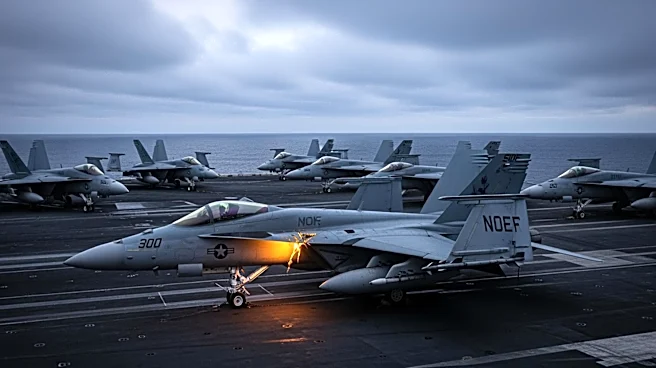
The U.S. military has experienced substantial aircraft losses during its aerial bombing campaign against Iran, known as Operation Epic Fury. According to a report from the U.S. Congressional Research Service, 42 aircraft have been lost or significantly
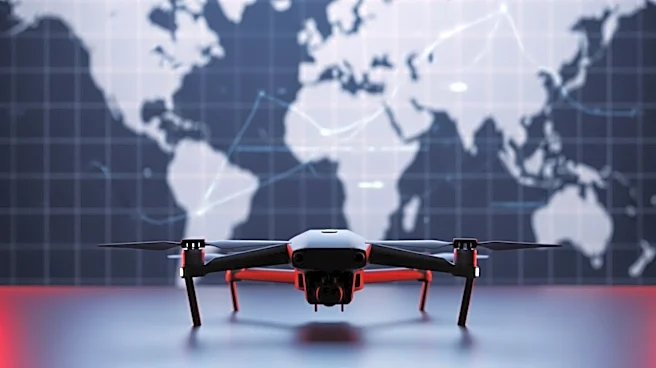
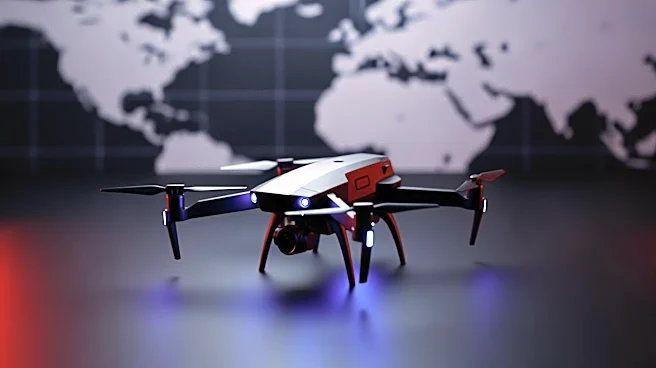
damaged. This includes 24 MQ-9A Reaper drones, seven KC-135 tankers, and several fighter jets. The campaign, which began in late February, has resulted in a tenuous ceasefire. The report highlights that the losses include both fixed-wing and rotary-wing aircraft, with the MQ-9A Reaper drones suffering the most losses. The report also notes that the Department of Defense has not confirmed all cases, and the number of aircraft damaged or destroyed may be subject to revision due to various factors.
Why It's Important?
The loss of these aircraft has significant implications for U.S. military capabilities and strategic planning. The MQ-9A Reaper drones, which are no longer in production, represent a critical component of the U.S. military's intelligence, surveillance, and reconnaissance capabilities. The loss of these drones, along with other aircraft, could create capability gaps and increase risks in other theaters. The report suggests that these losses may provide insights into the survivability of U.S. aircraft in contested environments and could influence future military procurement and strategy. The financial impact is also considerable, with the cost of Operation Epic Fury estimated at $29 billion, primarily for replacing lost equipment and munitions.
What's Next?
In response to these losses, the U.S. Air Force is exploring options to replace the MQ-9A Reapers with a more cost-effective platform. Additionally, the Pentagon is preparing a supplemental budget request to cover the costs of replenishing combat losses. The report indicates that the White House and the Pentagon are already working on this budget request. The U.S. military may also need to reassess its strategies and capabilities in light of these losses, potentially leading to changes in how it conducts operations in contested environments.
Beyond the Headlines
The aircraft losses in the Iran campaign highlight broader challenges in maintaining military readiness and adapting to evolving threats. The closure of the MQ-9A production line underscores the difficulties in replacing critical assets quickly. This situation may prompt a reevaluation of the U.S. military's reliance on certain platforms and the need for more flexible and resilient systems. Additionally, the campaign's financial burden could impact other defense priorities and necessitate difficult budgetary decisions.