



What's Happening?
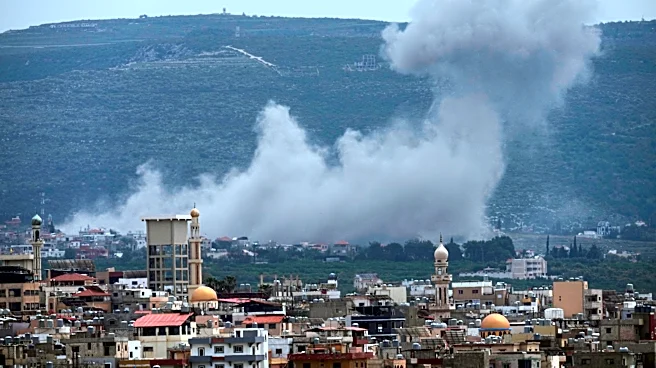
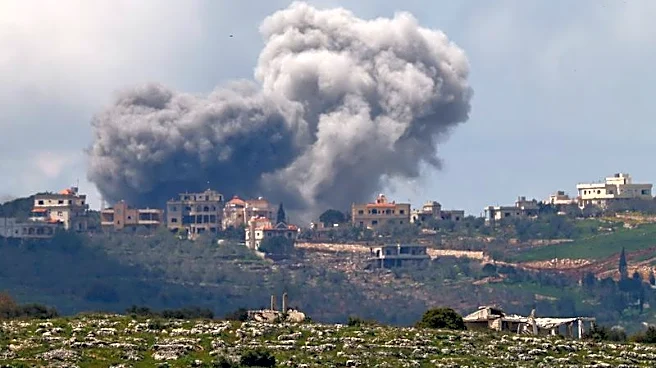
A 10-day ceasefire between Israel and Hezbollah is set to begin at midnight, following an announcement by President Trump. However, key details about the ceasefire's implementation remain unclear. The IDF will maintain its positions in southern Lebanon,
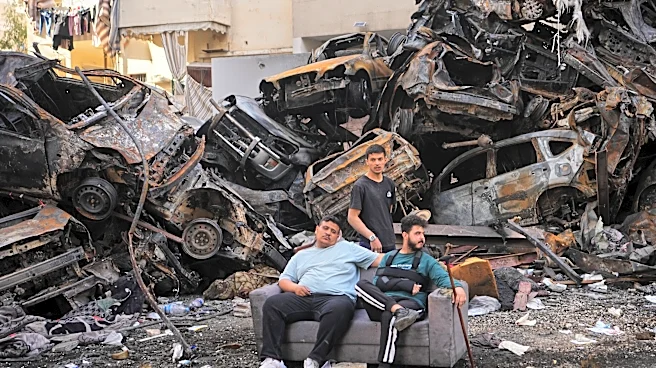
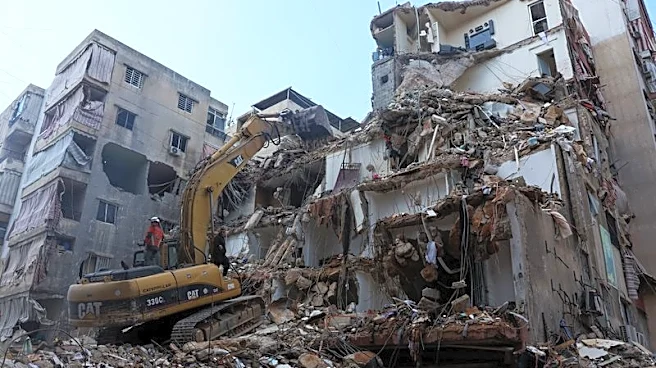
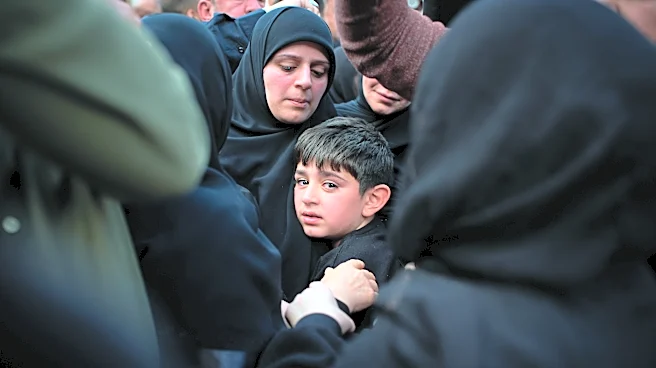
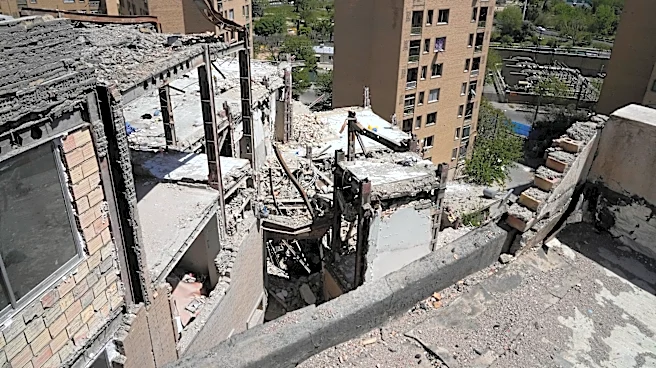
but the status of Hezbollah forces and the enforcement of the ceasefire are uncertain. The fate of displaced Lebanese civilians and the reconstruction of infrastructure damaged during the conflict are also unresolved. The ceasefire is temporary, and negotiations continue to address these issues. The Lebanese army's ability to enforce Hezbollah's absence from the area is in question, raising concerns about the group's potential to regroup.
Why It's Important?
The ceasefire represents a significant diplomatic effort to reduce hostilities between Israel and Hezbollah, but its temporary nature and unresolved details highlight the challenges of achieving lasting peace. The involvement of President Trump underscores the U.S.'s role in Middle Eastern diplomacy. The ceasefire provides a pause in fighting, potentially allowing for humanitarian aid and reconstruction efforts. However, the uncertainty surrounding its implementation poses risks, including the possibility of Hezbollah using the truce to strengthen its position. The situation remains volatile, with implications for regional stability and international relations.
What's Next?
Negotiations will continue to address the unresolved aspects of the ceasefire, including the status of displaced civilians and infrastructure reconstruction. The international community may play a role in facilitating these discussions. The Lebanese government faces pressure to manage Hezbollah's presence and ensure the ceasefire's enforcement. The IDF's continued presence in southern Lebanon serves as a deterrent against potential Hezbollah aggression. The ceasefire's success depends on diplomatic efforts to establish a more permanent solution to the conflict.