






What's Happening?
U.S. Representative Lizzie Fletcher (TX-07) recently celebrated the completion of Port Houston-led segments of Project 11, a significant expansion of the Houston Ship Channel. According to Representative Fletcher, the bipartisan Infrastructure Investment
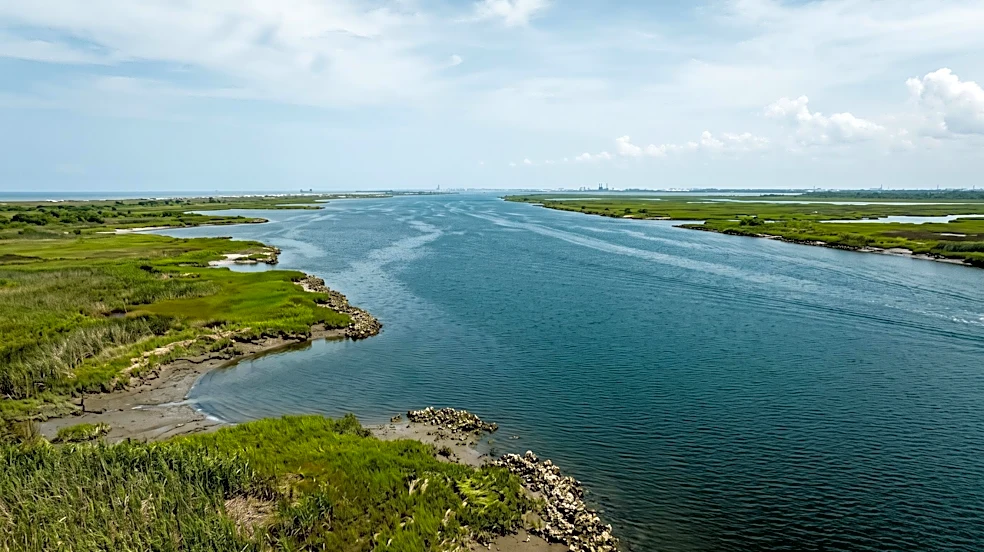
and Jobs Act was instrumental in securing over $140 million in federal funding for Port Houston, making it the only Texas port to receive such funding. This project involved widening the Houston Ship Channel by 170 feet along its Galveston Bay reach, from 530 feet to 700 feet. The improvements aim to enhance safety and efficiency for vessels, with the expanded channel already allowing for the removal of daylight restrictions for larger vessels transiting Galveston Bay. The project also created environmental benefits, including new bird islands, oyster reefs, and marsh habitats using dredged material. The overall effort reflects years of collaboration among Port Houston, the U.S. Army Corps of Engineers, industry partners, and elected officials to accelerate waterway improvements.
Why It's Important?
The completion of Project 11 at Port Houston holds significant importance for the U.S. economy and national infrastructure. As Representative Fletcher noted, this investment solidifies Houston's leadership in trade and strengthens the country's supply chain. The Houston Ship Channel is a critical hub for U.S. energy exports, petrochemical production, and global trade, supporting nearly two million jobs in Texas and generating billions of dollars for the economy. The increased efficiency and safety of the channel will facilitate greater commerce, reduce transit times for vessels, and ensure the port can meet future demands of growing trade. This infrastructure upgrade is crucial for maintaining American energy dominance and economic competitiveness, particularly as global trade volumes continue to rise. The bipartisan support for the project also underscores a shared understanding of the strategic value of robust port infrastructure for national prosperity.
What's Next?
While the Port Houston-led segments of Project 11 are complete, remaining work led by the U.S. Army Corps of Engineers will continue to further improve the waterway. The ongoing benefits of the widened channel are expected to include more efficient movement of cargo vessels, potentially leading to reduced shipping costs and faster delivery times for goods. Stakeholders, including Port Houston, the U.S. Army Corps of Engineers, and industry partners, will likely continue to monitor the impact of these improvements on trade volumes, economic activity, and environmental conservation efforts. The success of this project may also serve as a model for future infrastructure investments in other critical U.S. ports, potentially encouraging similar collaborative funding approaches between federal, state, local, and industry entities to expedite essential projects.
Beyond the Headlines
Beyond the immediate economic and logistical benefits, Project 11 highlights the broader implications of strategic infrastructure investment in the U.S. The creation of new bird islands, oyster reefs, and marsh habitats using dredged material demonstrates an integrated approach to development that considers both economic growth and environmental stewardship. This dual focus suggests a potential shift towards more sustainable infrastructure projects that mitigate environmental impact while fostering economic prosperity. Furthermore, the bipartisan support for Project 11 underscores the potential for political consensus on issues deemed vital for national economic security and competitiveness. This collaborative model could influence future policy-making, encouraging cross-party cooperation on large-scale infrastructure initiatives that benefit multiple sectors and regions across the country.