
What's Happening?
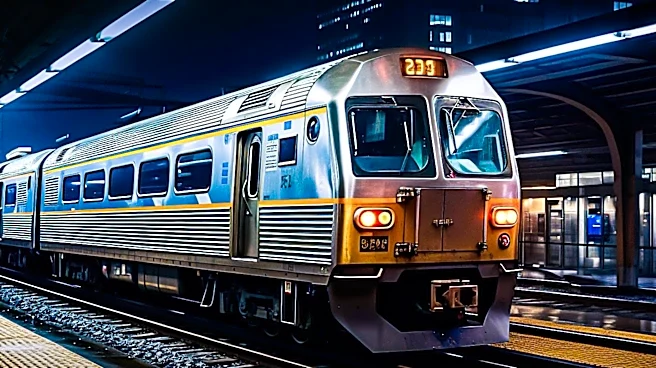
A person was fatally struck by an NJ Transit train on the Atlantic City Rail Line near Lindenwold, New Jersey, on Tuesday afternoon. According to NJ Transit officials, the individual was trespassing on the tracks
when the incident occurred. The collision led to the immediate suspension of Atlantic City Rail Line service between the Atco and Cherry Hill stations while authorities conducted an investigation. SkyForce10 observed the scene during the afternoon. Following the investigation, rail service has since been restored in both directions. This incident highlights the dangers associated with unauthorized presence on active railway tracks and the operational disruptions that can result from such events.
Why It's Important?
This incident underscores critical safety concerns surrounding railway operations and public access to train tracks. The fatality of a trespasser on the Atlantic City Rail Line emphasizes the inherent dangers of being on or near active railway infrastructure, which can lead to severe or fatal consequences. For NJ Transit, such events can result in significant service disruptions, impacting commuters and freight operations, and potentially leading to investigations by regulatory bodies. The temporary suspension of service between Atco and Cherry Hill stations illustrates the immediate operational and logistical challenges faced by transit authorities. Furthermore, these incidents often prompt renewed calls for public awareness campaigns regarding railway safety and the enforcement of trespassing laws to prevent future tragedies. The broader community is affected by service delays and the tragic loss of life, highlighting the need for continuous vigilance and adherence to safety protocols around train lines.
What's Next?
Following the resumption of service, NJ Transit will likely continue to cooperate with any ongoing investigations into the incident, which may involve local law enforcement and railway safety authorities. The focus will be on understanding the circumstances that led to the individual trespassing on the tracks. Transit authorities may also review their existing safety protocols and public awareness initiatives to prevent similar incidents in the future. This could include evaluating fencing, signage, and educational campaigns aimed at deterring unauthorized access to railway property. For commuters, the immediate impact of service disruption has passed, but the incident serves as a reminder of potential delays that can arise from unforeseen events on the rail lines. There may also be discussions within the community and among stakeholders about enhancing railway safety measures.
Beyond the Headlines
Beyond the immediate tragedy and service disruption, this incident brings to light the persistent challenge of railway trespassing, a significant cause of fatalities on train lines across the U.S. The underlying factors contributing to trespassing can be complex, ranging from lack of awareness of dangers, intentional acts, or attempts to use tracks as shortcuts. This event may prompt a deeper examination of urban planning around railway corridors, the effectiveness of current deterrents, and the need for more comprehensive public education on rail safety. It also raises questions about the psychological and social dimensions of why individuals might choose to trespass on such dangerous infrastructure. The long-term implications could include policy discussions on infrastructure improvements, community engagement strategies, and potential legislative actions to enhance railway safety and reduce preventable deaths.