



What's Happening?
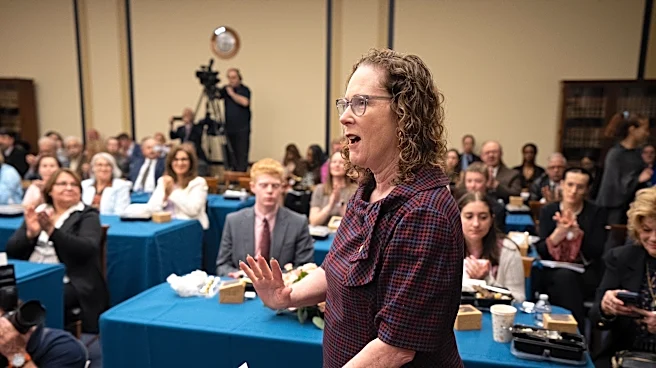
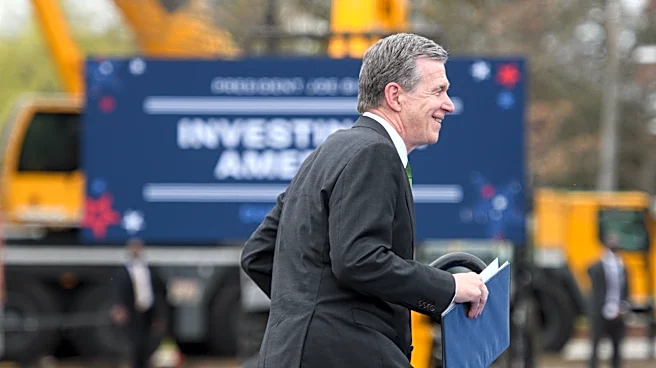
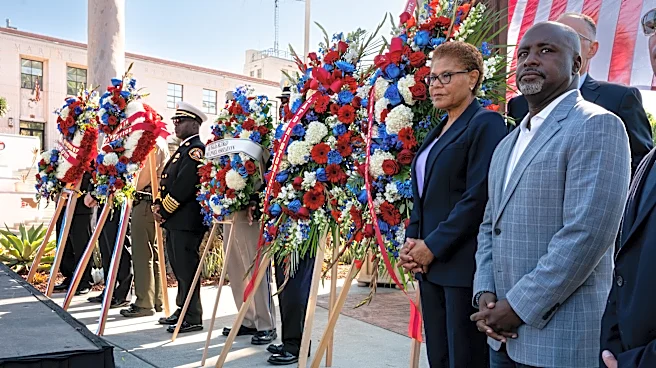
Governor Josh Stein honored North Carolina veterans at a Veterans Day ceremony held at North Carolina Central University in Durham. During the event, Governor Stein inducted six North Carolinians into the Order of the Long Leaf Pine, one of the state's
highest civilian honors, recognizing their service. He also highlighted the state's ongoing efforts to become more military-friendly. These initiatives include legislation signed last year to ease transitions for military families, such as facilitating professional license transfers for military spouses, enabling remote driver's license renewals, and simplifying public school enrollment for military children. Governor Stein also mentioned an executive order he signed in May, which directs state agencies to appoint military affairs coordinators to identify and address challenges faced by military communities. North Carolina is home to over 600,000 veterans and has the fourth-largest military presence in the country.
Why It's Important?
This event underscores North Carolina's commitment to supporting its significant veteran and military population. By honoring veterans and implementing military-friendly policies, the state aims to improve the quality of life for service members, veterans, and their families. The legislation addressing professional licenses, driver's licenses, and school enrollment directly tackles common challenges faced by military families during relocation, fostering a more welcoming environment. The appointment of military affairs coordinators within state agencies is a strategic move to ensure that the unique needs of military communities are systematically identified and addressed across various governmental functions. These efforts are crucial for retaining military personnel and veterans within the state, contributing to its economic and social fabric, and fulfilling the state's obligation to those who have served. The recognition of veterans' sacrifices, including health issues like those shared by Air Force veteran Edwin Quarles, also brings attention to ongoing needs for veteran support services.
What's Next?
North Carolina is expected to continue its efforts to enhance support for veterans and military families. The executive order establishing military affairs coordinators will lead to ongoing initiatives aimed at identifying and resolving issues within military communities. These coordinators will work across state agencies to streamline services and create a more cohesive support system. Further legislative actions may be pursued to build upon existing military-friendly laws, potentially addressing other areas of concern for service members and veterans. The state's commitment to becoming a top destination for military families suggests a sustained focus on these policies, with regular assessments of their effectiveness and potential for expansion. Continued engagement with veteran organizations and military bases will likely inform future policy developments and resource allocation.
Beyond the Headlines
The focus on making North Carolina more military-friendly reflects a broader national trend among states vying to attract and retain military personnel and veterans. This competition is driven by the recognition of veterans' valuable skills, leadership qualities, and economic contributions. Beyond the immediate benefits to military families, these policies can foster a stronger sense of community and support for those who have served. However, the personal testimony of veterans like Edwin Quarles, who suffer from long-term health issues related to their service, highlights the enduring challenges many face. This underscores the need for comprehensive healthcare and support systems that extend beyond initial transition assistance. The state's initiatives, while commendable, also serve as a reminder of the ongoing responsibility to address the full spectrum of needs for its veteran population, including those related to service-connected disabilities and mental health.