
What's Happening?
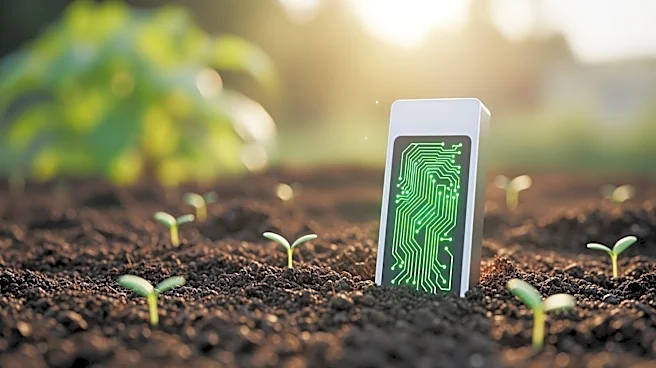
Researchers from North Carolina State University, East Carolina University, and SAS are collaborating on a pilot project to deploy affordable agricultural sensor systems in Eastern North Carolina. These
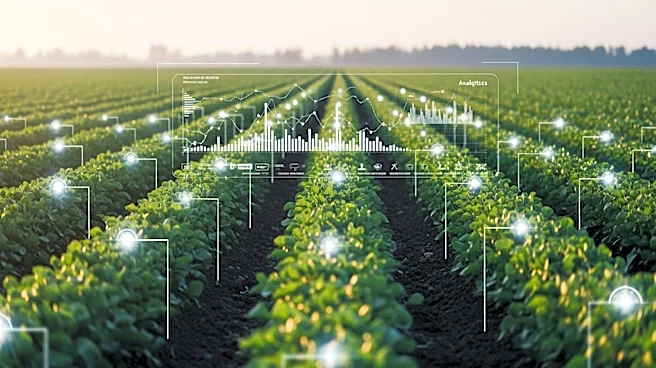
sensors are designed to provide real-time data on water depth, soil moisture, and salinity, helping farmers manage risks associated with flooding and soil salinity. The project, initiated in Hyde County, aims to offer timely insights to farmers, allowing them to better prepare for adverse weather conditions and protect their crops, livestock, and equipment. This initiative is part of a broader effort to integrate scientific advances into agricultural practices, enhancing the resilience of the farming sector in the face of climate challenges.
Why It's Important?
The collaboration between NC State, ECU, and SAS is significant as it addresses critical challenges faced by farmers in North Carolina, such as flooding and increased soil salinity. These issues threaten the agricultural sector, which contributes $111 billion annually to the state's economy. By providing farmers with real-time data and predictive analytics, the project aims to improve decision-making and reduce economic losses. This initiative not only supports the local agricultural community but also serves as a model for integrating technology into farming practices, potentially influencing agricultural policies and practices nationwide.
What's Next?
As the pilot project progresses, there are plans to expand the deployment of these sensor systems to other counties in North Carolina. The success of this initiative could lead to broader adoption of IoT technologies in agriculture, enhancing the sector's resilience to climate change. Stakeholders, including government agencies and agricultural organizations, may take interest in supporting similar projects, potentially leading to increased funding and policy support for technological innovations in farming.