


What's Happening?
Federal watchdogs are grappling with an 'identity crisis' concerning their independence and the integrity of their oversight work. The discourse is shifting from the imprecise term 'independence' to a focus on the 'integrity' of audits, evaluations, inspections,
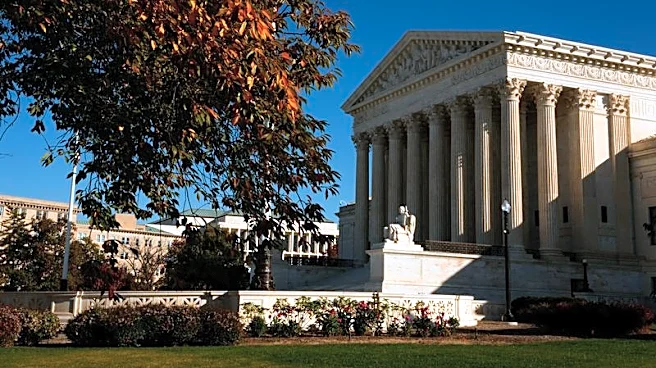
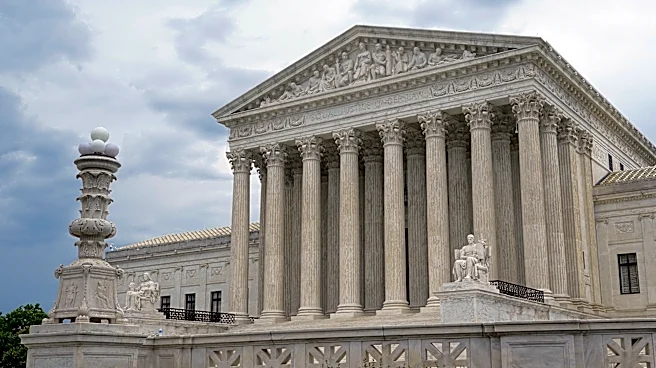
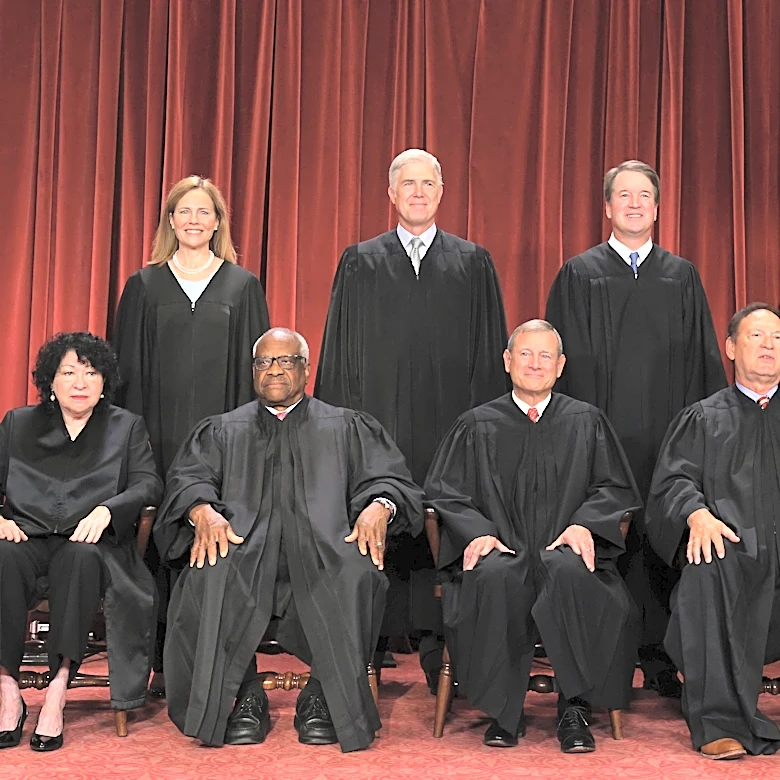
and investigations. This shift is prompted by varying interpretations of inspector general (IG) independence among Congress, agencies, and IGs themselves, as noted by the Congressional Research Service and GAO. The Supreme Court's 'Slaughter' opinion further clarified that 'independent agencies' are not entirely free from presidential influence, as subordinates exercising presidential power are subject to removal by the President. There is a growing call for Congress to commission a panel of nonpartisan oversight experts to establish integrity standards for IGs. These standards would cover the selection, conduct, reporting, and timeliness of oversight work, aiming to ensure impartiality, objectivity, transparency, and efficiency.
Why It's Important?
The integrity of federal watchdogs is crucial for maintaining accountability, preventing wrongdoing, and ensuring the efficient use of taxpayer dollars across government agencies. A lack of clear standards for IG work can lead to inconsistencies, perceived biases, and a erosion of public trust. If IGs are seen as either too close to the administration or pursuing political agendas, their credibility suffers, undermining their ability to provide meaningful oversight. Establishing clear integrity standards would help IGs earn the trust of Congress, agency officials, and the American public by ensuring their work is disciplined, fact-based, transparent, and timely. This reform could lead to more effective governance, better program outcomes, and increased confidence in federal operations, benefiting taxpayers and the overall functioning of government.
What's Next?
The proposal suggests that Congress should commission a panel of nonpartisan oversight experts to formulate parameters for trustworthy oversight reports and establish integrity standards. This panel would consider principles such as disciplined selection of oversight work, thorough and objective conduct, open and accurate reporting, and timely issuance of reports. It would also examine whether different standards apply to IG investigations versus audits and evaluations, especially when IGs collaborate with other executive branch components. Additionally, Congress would need to ensure IGs have sufficient resources to execute their duties in accordance with these new standards. The outcome of such a commission could redefine the operational framework for federal watchdogs, potentially leading to legislative changes or new guidelines for IG offices.
Beyond the Headlines
The debate over IG independence versus integrity delves into fundamental questions about the separation of powers and the accountability of government. The tension between the executive branch and Congress regarding IG roles dates back to 1977, when the Justice Department questioned the constitutionality of the IG Act due to potential divided loyalties. This 'identity crisis' reflects a deeper struggle to define the appropriate relationship between oversight bodies and the entities they oversee. Moving towards integrity standards could foster a more professional and less politicized approach to oversight, but it also requires careful consideration to avoid inadvertently limiting IGs' ability to uncover sensitive information or challenge powerful interests. The long-term impact could be a more robust and credible oversight system, or it could inadvertently create new challenges if the standards are not carefully crafted and implemented.