






What's Happening?
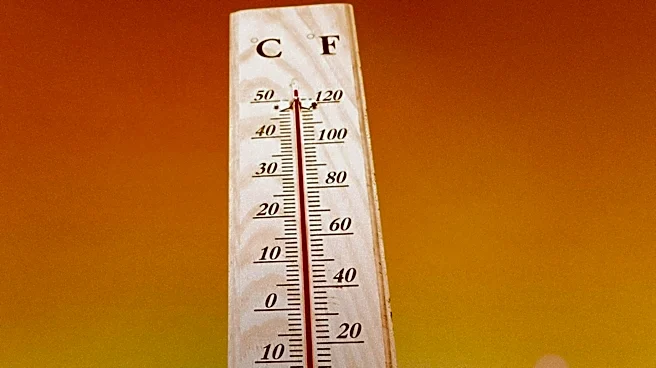
EMSL Analytical, Inc., a prominent North American laboratory specializing in indoor environmental quality, has issued a warning that rising summer temperatures can significantly affect indoor air quality (IAQ). While public attention often focuses on outdoor
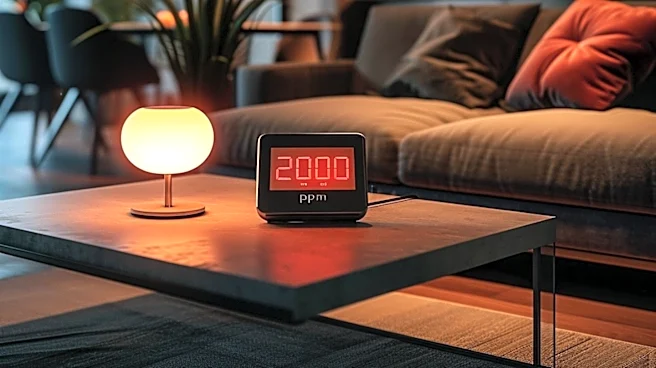
heat, warmer weather and increased humidity indoors can accelerate the development and accumulation of pollutants. Joe Frasca, Senior Vice President of Marketing at EMSL Analytical, Inc., highlighted that these conditions foster mold growth and increase the emission of volatile organic compounds (VOCs) from common household and building materials. The company emphasizes that maintaining proper ventilation, controlling humidity levels, and conducting regular IAQ testing are crucial steps to identify and mitigate potential concerns before they escalate. EMSL Analytical provides comprehensive laboratory testing services for various contaminants, including mold, bacteria, and chemicals, along with necessary sampling supplies and monitoring instruments.
Why It's Important?
The warning from EMSL Analytical underscores a critical public health concern, as poor indoor air quality can lead to immediate health issues such as headaches, reduced concentration, and allergy symptoms, and contribute to long-term health risks. For U.S. industries, particularly in real estate, construction, and facility management, this information is vital for ensuring occupant well-being and productivity. Businesses and schools, in particular, face the challenge of balancing cooling efficiency with adequate ventilation during summer months, as reduced outdoor air intake to save energy can inadvertently trap and concentrate indoor pollutants. The potential for increased mold growth and VOC emissions impacts building material manufacturers, cleaning product industries, and HVAC service providers, necessitating a focus on low-emission products and effective ventilation solutions. Proactive IAQ management can prevent costly remediation efforts, reduce absenteeism, and enhance the overall health and comfort of building occupants across the nation.
What's Next?
Following EMSL Analytical's advisory, there is an anticipated increase in demand for indoor air quality testing services and monitoring instruments, particularly from commercial and institutional building operators. Property managers and homeowners are likely to become more vigilant about humidity control and ventilation practices during summer months. Educational campaigns from health organizations and environmental agencies may also emerge, providing guidance on how to maintain healthy indoor environments. Manufacturers of HVAC systems and air purification technologies could see a boost in sales as consumers and businesses seek to upgrade their systems to better manage IAQ. Furthermore, regulatory bodies might review existing building codes and ventilation standards to address the specific challenges posed by climate change and prolonged periods of high temperatures and humidity, potentially leading to updated guidelines for indoor environmental quality in various settings.
Beyond the Headlines
The emphasis on indoor air quality during summer highlights a broader societal shift towards recognizing the interconnectedness of environmental factors and public health. This issue extends beyond immediate health impacts to influence productivity, cognitive function, and overall quality of life in enclosed spaces. The 'passive house' building standard, which prioritizes minimal energy use and high indoor air quality, exemplifies a growing trend in sustainable construction that could become more mainstream. As climate change leads to more frequent and intense heatwaves, the strategies for maintaining healthy indoor environments will become increasingly critical, influencing urban planning, architectural design, and public health policies. This also raises ethical considerations for building owners and employers regarding their responsibility to provide safe and healthy indoor spaces, potentially leading to new legal precedents or increased litigation related to IAQ-related health issues.