





What's Happening?
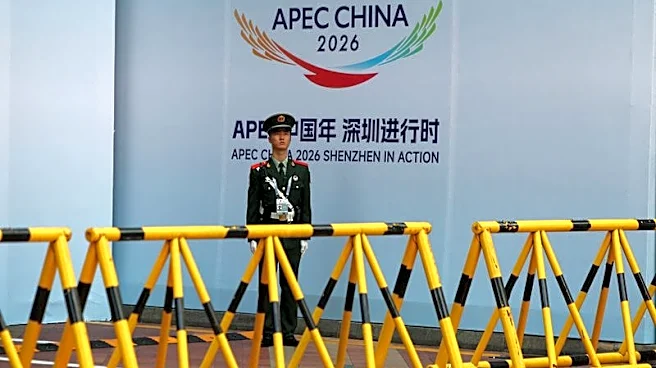
Vietnamese Finance Minister Ngo Van Tuan met with Mr. Liao Lin, Chairman of the Board of Directors of the Industrial and Commercial Bank of China (ICBC), in Shenzhen, China, on November 17. The discussions focused on cooperation in capital mobilization,
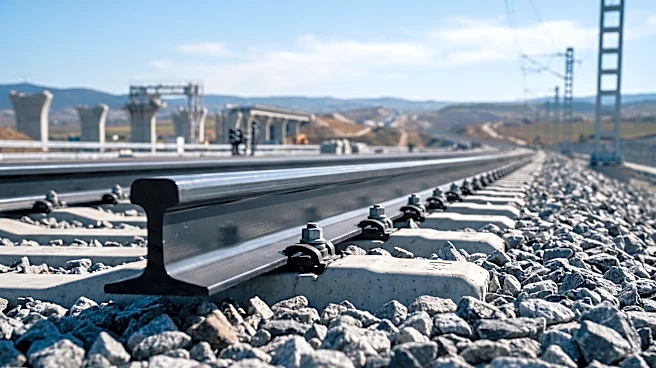
project financing, and strengthening financial connectivity between Vietnam and China. Minister Tuan acknowledged ICBC's financial capacity and experience in trade finance and project funding, and its contributions to supporting businesses and investment in Vietnam. He specifically requested ICBC to explore financial solutions and financing options for infrastructure development, particularly for transportation and railway projects connecting Vietnam and China. The Minister emphasized the need to carefully consider factors such as capital costs, maturities, and risk management to ensure efficient capital use and public debt safety. This meeting was part of a broader working visit by General Secretary and President To Lam to attend the 33rd APEC High-Level Week and conduct bilateral engagements in China.
Why It's Important?
This meeting signifies Vietnam's proactive approach to securing international financing for its ambitious infrastructure development goals, particularly in collaboration with China. For the U.S., this development is important as it highlights the growing economic influence of China in Southeast Asia and the region's reliance on Chinese capital for major projects. Increased financial connectivity and infrastructure development between Vietnam and China could strengthen their economic ties, potentially impacting regional trade dynamics and geopolitical balances. U.S. businesses and policymakers should observe these collaborations closely, as they could influence investment opportunities, supply chain configurations, and strategic partnerships in the Indo-Pacific. The emphasis on careful consideration of capital costs, maturities, and risk management by the Vietnamese Minister also reflects a prudent approach to foreign debt, which is a critical factor for long-term economic stability and a point of interest for international financial institutions and investors, including those in the U.S.
What's Next?
Following the discussions, ICBC is expected to research and propose financial solutions and financing options for Vietnam's infrastructure projects, especially those related to transportation and railway links between the two countries. Both sides agreed to maintain coordination between their respective focal-point units to further discuss potential areas of cooperation. Future steps will involve detailed assessments of proposed financial arrangements to ensure they align with Vietnam's legal regulations, actual needs, and public debt sustainability requirements. The outcome of these discussions could lead to concrete financing agreements that will facilitate the construction of key infrastructure, further integrating the economies of Vietnam and China. The progress of these projects will be a key indicator of the deepening economic relationship between the two nations.
Beyond the Headlines
The discussions between Vietnam and ICBC extend beyond mere financial transactions; they represent a strategic alignment in infrastructure development that could have long-term geopolitical implications. China's Belt and Road Initiative (BRI) has seen significant investment in infrastructure across Asia, and Vietnam's engagement with ICBC for railway projects could be seen in this broader context. For the U.S., this highlights the ongoing competition for influence in Southeast Asia, where economic partnerships often translate into strategic alliances. The development of robust transportation networks between Vietnam and China could facilitate trade and movement of goods, potentially altering existing supply chains and trade routes. This also brings to light the ethical considerations of debt sustainability for developing nations engaging in large-scale infrastructure projects with foreign financing, and the importance of transparent and equitable financial agreements.