






What's Happening?
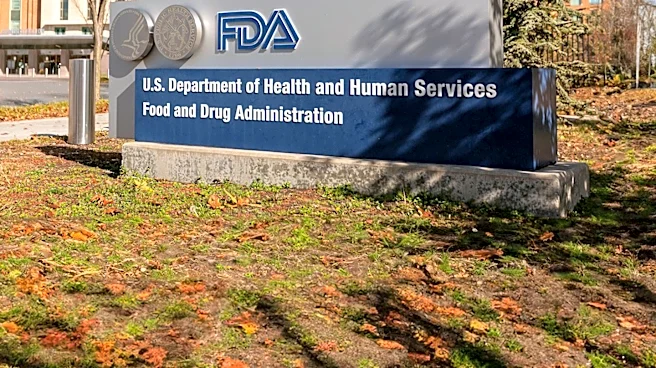
Intellia Therapeutics has announced that its one-time gene-editing therapy, lonvo-z, demonstrated an 87% mean reduction in hereditary angioedema (HAE) attacks compared to placebo in the Phase 3 HAELO trial. The FDA has accepted Intellia's biologics license
application for priority review, setting a March 10, 2027, action date, and does not currently plan an advisory committee meeting. An integrated analysis of 93 participants, who received the proposed commercial dose across Phase 1, 2, and 3 studies, showed that average attack rates fell from over three per month at baseline to below 0.5 by month two and remained at that level for up to four years. All 93 participants were off long-term preventive therapy at their latest follow-up. Lonvo-z is designed to permanently inactivate the KLKB1 gene, reducing proteins involved in swelling pathways.
Why It's Important?
This development is highly significant for the approximately 7,500 people in the U.S. treated for type 1 or type 2 HAE, a rare genetic condition causing unpredictable, painful, and potentially life-threatening swelling attacks. Current treatments often involve long-term preventive medications, which can be burdensome and may not fully control attacks. A one-time gene-editing therapy like lonvo-z could offer a transformative solution, potentially freeing patients from chronic medication regimens and significantly improving their quality of life. For Intellia Therapeutics, FDA approval would mark a major milestone, establishing its leadership in in vivo gene editing and opening a substantial market. The success of lonvo-z could also validate the broader application of CRISPR/Cas9 technology for other genetic disorders, attracting further investment and accelerating research in the gene therapy sector. Healthcare providers and insurers will be evaluating the long-term efficacy, safety, and cost-effectiveness of this innovative treatment.
What's Next?
The immediate next step is the FDA's decision on Intellia's biologics license application, expected by March 10, 2027. If approved, Intellia anticipates the first wave of patients to be treated in the second quarter after launch, with revenue recognition beginning during that period. The company is actively preparing a network of authorized treatment centers and expects to achieve a full commercial ramp by month 12. While Intellia has not disclosed a price, it expects insurers to implement step-therapy requirements, potentially requiring some patients to try preventive medications before accessing lonvo-z. Physicians and patients will need to weigh the benefits of a one-time treatment against any remaining uncertainties regarding long-term safety and durability, as well as access and cost considerations. The company's commercial strategy and patient access programs will be crucial for successful market penetration.
Beyond the Headlines
The potential approval of lonvo-z underscores the rapid advancement of gene-editing technology and its implications for rare diseases. This therapy represents a shift from managing symptoms to addressing the root genetic cause of a disease, raising profound questions about the future of medicine. The concept of a 'one-time cure' for a chronic condition has significant ethical dimensions, including equitable access, the potential for off-target edits, and the long-term societal impact of altering human genes. The high development costs and potential pricing of such therapies will likely spark debates about healthcare affordability and the role of insurance. Furthermore, the success of lonvo-z could set a precedent for regulatory pathways for other in vivo gene-editing treatments, influencing how future genetic therapies are developed, approved, and integrated into clinical practice. This marks a critical juncture in the evolution of personalized medicine.