

What's Happening?
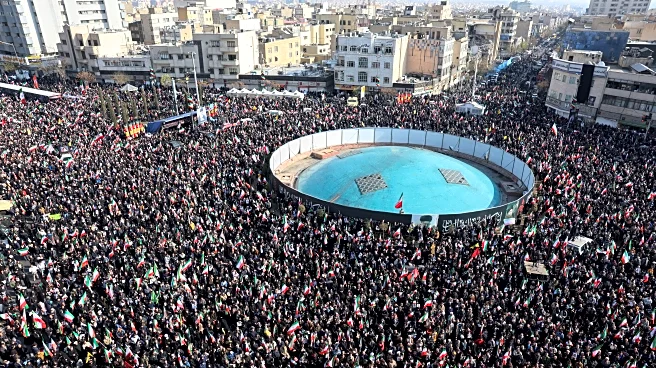
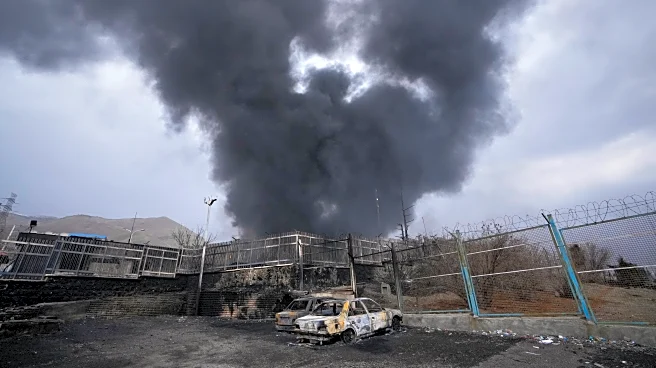
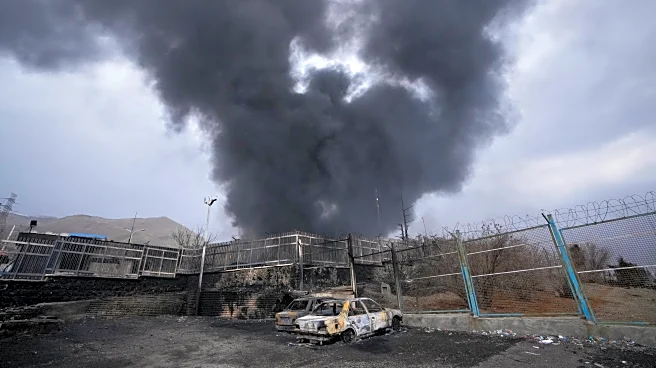
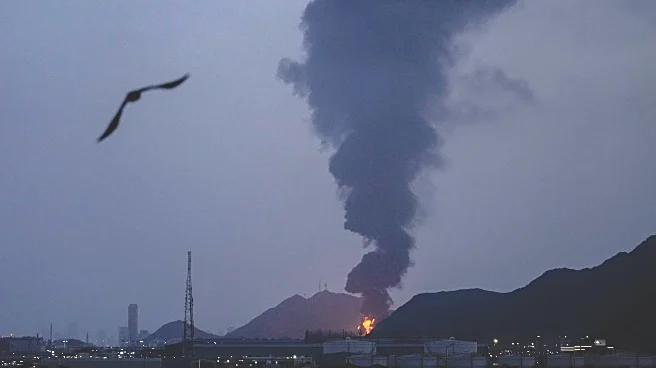
President Donald Trump engaged in a phone call with Russian President Vladimir Putin to discuss the ongoing war in Iran and other global issues. According to the Kremlin, the conversation was described as 'frank and businesslike' and lasted about an hour.
During the call, President Putin shared ideas for a quick political and diplomatic resolution to the conflict, following discussions with Gulf leaders and Iran's president. The dialogue also covered the situation in Venezuela, particularly in the context of the global oil market. President Putin emphasized Russia's role as a reliable energy supplier, stating that Moscow is prepared to continue supplying oil and gas to countries that are considered reliable partners, such as those in the Asia-Pacific region and Eastern Europe. He also mentioned the possibility of redirecting gas supplies from the European Union to other markets, should European buyers change their stance.
Why It's Important?
The conversation between President Trump and President Putin holds significant implications for international relations and the global energy market. The ongoing conflict in Iran has the potential to destabilize the Middle East, which could lead to increased oil prices and supply limitations. Russia's readiness to supply energy to reliable partners highlights its strategic positioning in the global energy landscape. The discussion also underscores the interconnectedness of geopolitical events and energy markets, as decisions made by major powers like the U.S. and Russia can have far-reaching effects on global oil prices and energy security. The potential redirection of Russian gas supplies away from the European Union could impact energy dynamics in Europe, especially with the EU's planned ban on Russian gas by 2027.
What's Next?
Future developments will likely focus on the diplomatic efforts to resolve the conflict in Iran and the potential shifts in global energy supply chains. The U.S. and Russia may continue to engage in dialogue to address these issues, while European countries will need to consider their energy strategies in light of potential changes in Russian gas supply. The situation in Venezuela and its impact on the global oil market will also remain a point of interest, as it could influence energy prices and availability. Stakeholders in the energy sector, including governments and corporations, will need to monitor these developments closely to adapt to any changes in the geopolitical and economic landscape.