







What's Happening?
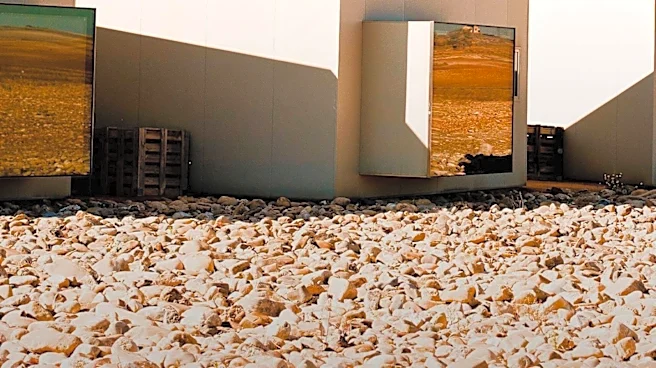
The Chinati Foundation, an internationally recognized contemporary art museum located in Marfa, Texas, is actively seeking a Director of Development. This key role is designed to spearhead the institution's fundraising strategy and significantly enhance
philanthropic support. The successful candidate will report directly to the Executive Director and will be responsible for overseeing all facets of development. This includes managing major gifts, individual and institutional giving, corporate and government support, membership programs, fundraising campaigns, special events, and donor stewardship. The foundation is looking for an individual with a strong background in nonprofit fundraising, specifically with at least seven years of progressively responsible experience, including three years in a leadership role supervising staff. The position requires demonstrated success in securing and stewarding major gifts of $10,000 or more, along with proficiency in donor CRM systems and financial management. The role is full-time, on-site, and offers an annual salary between $95,000 and $105,000, along with a comprehensive benefits package.
Why It's Important?
The recruitment of a Director of Development is crucial for the Chinati Foundation's long-term sustainability and growth. A robust fundraising strategy is essential for art museums, particularly those with international recognition, to maintain their collections, fund exhibitions, support educational programs, and undertake capital projects. By strengthening its philanthropic support, the foundation can ensure its continued ability to preserve and present large-scale installations by artists like Donald Judd. This move signifies a strategic effort to secure diverse funding streams, reducing reliance on any single source and fostering financial resilience. The individual in this role will be instrumental in cultivating relationships with major donors, foundations, and corporate partners, which directly impacts the museum's capacity to fulfill its mission and contribute to the cultural landscape of Texas and beyond. The success of this fundraising initiative will also influence the museum's ability to attract and retain top talent, further enhancing its reputation and impact.
What's Next?
The Chinati Foundation will proceed with a rigorous selection process to identify a qualified Director of Development. Once appointed, the new director will be tasked with immediately developing and implementing comprehensive annual and long-term fundraising strategies. This will involve evaluating current fundraising efforts, identifying new opportunities for philanthropic support, and building stronger relationships with existing and potential donors. The director will also be responsible for leading and mentoring the Development Department staff, ensuring efficient operations and effective donor engagement. Future steps will likely include launching new fundraising campaigns, expanding membership programs, and enhancing donor stewardship initiatives. The foundation's leadership, in collaboration with the Board of Trustees, will work closely with the new director to establish clear fundraising priorities and measurable goals to ensure the museum's financial health and continued artistic impact.
Beyond the Headlines
The search for a Director of Development at the Chinati Foundation highlights broader trends in the arts and culture sector, where financial sustainability is increasingly dependent on sophisticated fundraising and donor engagement strategies. For institutions like Chinati, located in a more remote area like Marfa, Texas, effective development is vital for attracting national and international support, transcending geographical limitations. This role also underscores the growing professionalization of nonprofit management, with a strong emphasis on business acumen, data analysis, and strategic planning in fundraising. The successful candidate will not only be a fundraiser but also a brand ambassador, articulating the museum's unique value proposition to a diverse audience of philanthropists. This strategic hire could set a precedent for how other regional art institutions approach their long-term financial planning and community engagement, emphasizing the critical link between artistic vision and robust financial backing.