
What's Happening?
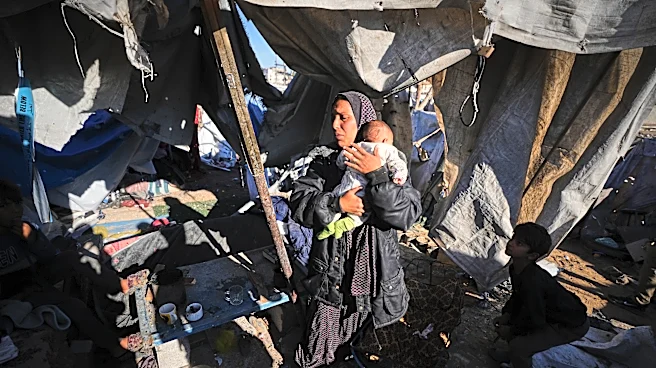
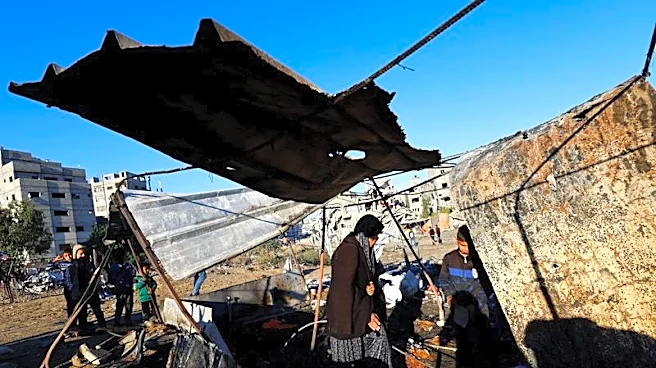
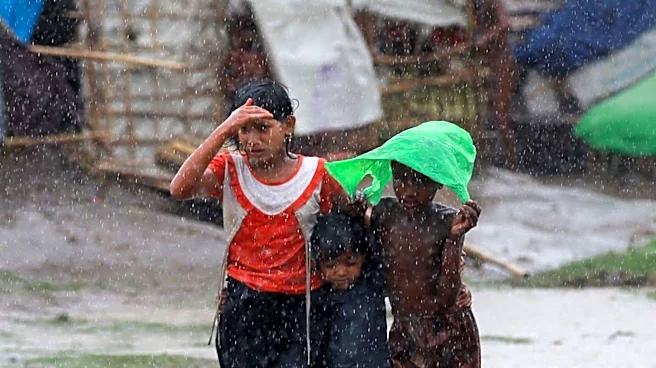
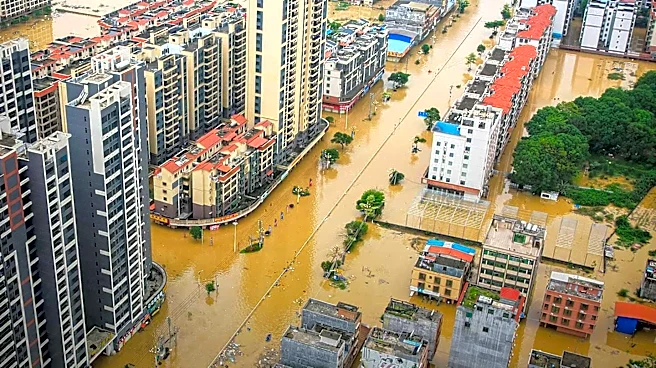
Heavy rains have caused widespread flooding in the Gaza Strip, devastating makeshift shelters and intensifying an already dire humanitarian situation. This natural disaster follows years of conflict, displacement,
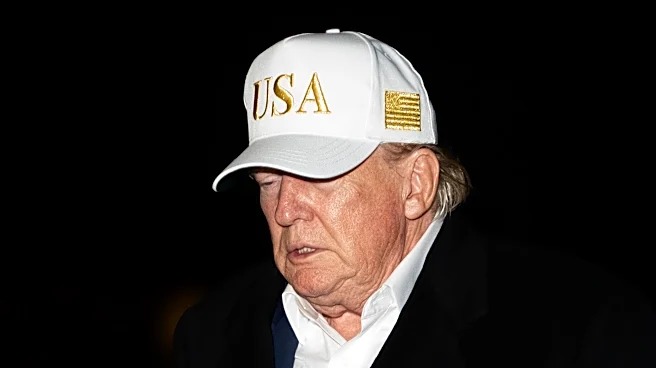
and stalled reconstruction efforts, leaving a significant portion of the population vulnerable to harsh winter conditions. The flooding has impacted displaced Palestinians, with images showing flooded pathways in Gaza City. President Trump’s Board of Peace has stated that Israel's delay in allowing essential winter supplies into the Palestinian enclave has 'exacerbated the consequences of a foreseeable humanitarian challenge.' This statement highlights concerns about the impact of political and logistical hurdles on the well-being of Gaza's residents, particularly in the face of environmental challenges.
Why It's Important?
The flooding in Gaza underscores the critical vulnerability of populations in conflict zones, where existing infrastructure is often compromised and humanitarian aid is frequently obstructed. The statement from President Trump's Board of Peace is significant as it publicly attributes blame for the worsening humanitarian conditions, placing pressure on Israel regarding its policies on supply access. This situation could lead to increased international scrutiny of the blockade and aid delivery mechanisms to Gaza. For the U.S., this event highlights the complexities of its foreign policy in the Middle East, balancing its relationship with Israel while addressing humanitarian concerns. The inability to deliver essential supplies, even for natural disasters, can further destabilize the region and fuel anti-U.S. sentiment among affected populations.
What's Next?
The immediate focus will likely be on emergency relief efforts to address the needs of those affected by the flooding, including providing shelter, food, and medical aid. International organizations and humanitarian groups will likely intensify calls for unimpeded access for aid into Gaza. The criticism from President Trump's Board of Peace could prompt diplomatic discussions aimed at easing restrictions on the entry of winter supplies and reconstruction materials. This may lead to renewed negotiations or pressure on both Israeli and Palestinian authorities to facilitate humanitarian assistance. The long-term implications include continued calls for a more sustainable solution to the humanitarian crisis in Gaza, potentially involving international reconstruction efforts and a re-evaluation of existing policies governing the enclave.
Beyond the Headlines
The recurring humanitarian crises in Gaza, exacerbated by natural events like heavy rains, reveal deeper systemic issues related to governance, conflict, and international responsibility. The criticism from President Trump's Board of Peace, while focused on immediate supply delays, also implicitly touches upon the broader ethical and legal obligations of occupying powers and neighboring states to ensure the welfare of civilian populations. This situation highlights the intersection of environmental vulnerability with geopolitical conflict, where climate-related events disproportionately affect already marginalized communities. The long-term implications could include a re-evaluation of international humanitarian law in protracted conflicts and the development of more robust mechanisms for disaster preparedness and response in politically sensitive regions.