



What's Happening?
Max D Lederer Jr., the longtime publisher of Stars and Stripes, a newspaper focused on the US military, has resigned due to fundamental disagreements with the leadership of the Defense Department regarding editorial control. In a memo to staff and an interview
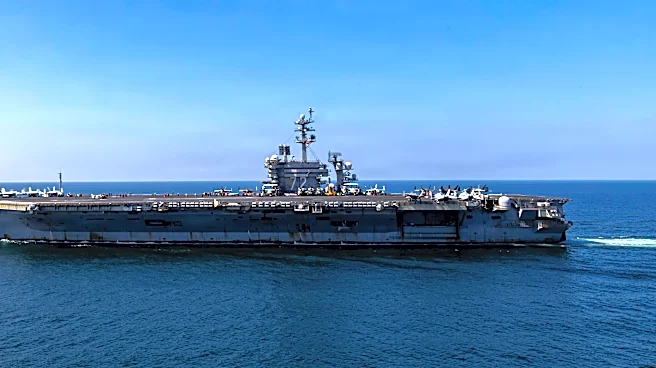
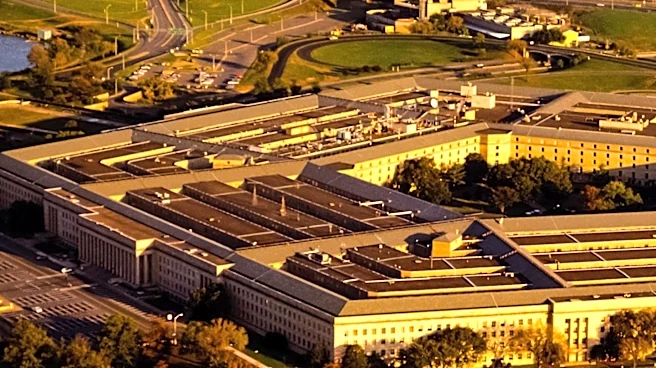
with the publication, Lederer indicated that his philosophy of leadership and understanding of the newspaper's mission diverged significantly from the direction sought by the Defense Department. This resignation follows accusations from Secretary of Defense Pete Hegseth that the publication was promoting 'woke distractions' and criticism from the Trump administration for reporting on poor conditions and declining morale aboard the USS Abraham Lincoln aircraft carrier during the war with Iran. The Pentagon, under President Trump's second term, has expressed intentions to align the paper more closely with government priorities, framing it as 'returning Stars and Stripes to its original mission: reporting for our warfighters.'
Why It's Important?
This resignation highlights a significant challenge to press freedom and editorial independence within a military context. Stars and Stripes, despite receiving government funding, has historically strived to maintain journalistic autonomy. The Defense Department's push for greater editorial control, including the firing of the newspaper's ombudsman, Jacqueline Smith, who was tasked with protecting its independence, raises concerns about the integrity of military reporting and the public's access to unbiased information regarding military operations and personnel welfare. Such actions can undermine trust in official communications and potentially suppress critical reporting on issues like troop morale and operational challenges, which are vital for public oversight and accountability. The broader implications extend to the principle of a free press, even within government-funded institutions, and the potential for political interference to shape narratives surrounding military engagements.
What's Next?
The departure of Max D Lederer Jr. leaves a void in the leadership of Stars and Stripes, and the future direction of the publication's editorial independence remains uncertain. The Defense Department's stated aim to bring the paper into greater alignment with government priorities suggests that further changes in editorial policy or leadership could occur. This situation may lead to increased scrutiny from press freedom advocates, lawmakers, and the public regarding the balance between government funding and journalistic autonomy. The ongoing war with Iran and the associated reports of military strain and munition shortages, which Stars and Stripes has covered, will likely continue to be a point of contention. The outcome of this dispute could set a precedent for how government-funded media outlets operate and their ability to report critically on the institutions they cover.
Beyond the Headlines
The conflict over editorial control at Stars and Stripes reflects a broader tension between government transparency and national security interests, particularly during wartime. The Trump administration's efforts to control the narrative around military operations, including cracking down on what it perceives as 'woke' policies and restricting journalist access to the Pentagon, suggest a move towards greater information management. This trend could have long-term implications for the relationship between the military and the press, potentially limiting the public's understanding of military affairs and the experiences of service members. The debate also touches upon the role of a free press in a democratic society, even when that press is partially funded by the government. The erosion of editorial independence in such a prominent military publication could set a dangerous precedent for other government-affiliated media and potentially impact the morale and trust of military personnel who rely on Stars and Stripes for independent news.