







What's Happening?
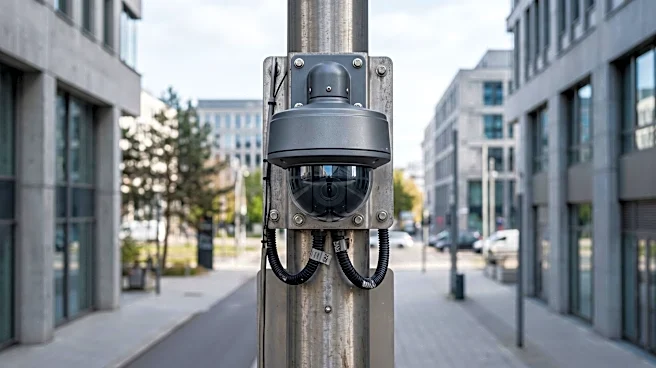
Citizens in Tuscaloosa, Alabama, are demanding greater transparency from the City Council regarding the use of Flock surveillance cameras. This comes after the council approved a three-year, $182,100 contract extension with Flock Group Inc. without publicly
releasing the terms. At a recent city council meeting, six speakers urged the city to pause the agreement, release the full contract, and hold a public hearing. Concerns raised included how data is collected, stored, managed, and deleted, who has access to it, and what information is being recorded. Speakers also highlighted potential misuse of the data, referencing incidents in other Alabama communities where police officers were investigated or removed for alleged misuse of Flock cameras. The city's executive director of public safety defended the cameras, stating they have been in use for five to six years, every search is audited monthly, and officers misusing the system would be fired. He also noted that most Flock cameras in the area are installed by neighborhood associations and apartment complexes, not the city.
Why It's Important?
This situation highlights a growing tension between public safety initiatives and privacy concerns in U.S. communities. The lack of transparency surrounding government contracts for surveillance technology can erode public trust and raise questions about accountability. Citizens' demands for detailed information on data handling, access protocols, and oversight mechanisms reflect a broader societal debate on digital privacy rights in an increasingly surveilled environment. The reported instances of misuse in other Alabama cities underscore the potential for abuse and the need for robust safeguards. This local dispute in Tuscaloosa could influence how other municipalities approach similar technology contracts, potentially leading to increased public scrutiny and demands for more comprehensive oversight policies for surveillance systems nationwide. The outcome may set a precedent for how local governments balance security needs with civil liberties.
What's Next?
The Tuscaloosa Thread has formally requested a copy of the city's Flock contract, which could lead to its public release and further scrutiny. Citizens have requested a dedicated public hearing with documents posted in advance, the adoption of an enforceable surveillance oversight policy with independent audits, and reconsideration of the agreement by the council. State lawmakers are reportedly considering guardrails for the 2027 session, including limiting data retention and requiring warrants for non-emergency searches of Flock camera data. The city's public safety director has also indicated that the department has asked state lawmakers to make Flock misuse a felony, which could lead to new legislation. The ongoing dialogue between citizens and city officials, coupled with potential state-level legislative action, will determine the future of Flock camera usage and oversight in Tuscaloosa and potentially across Alabama.
Beyond the Headlines
The debate in Tuscaloosa extends beyond local governance, touching upon fundamental questions of privacy in the digital age and the evolving role of technology in law enforcement. The 'slippery slope' argument, as articulated by residents, evokes concerns about a surveillance society reminiscent of dystopian narratives. The involvement of utility providers like Alabama Power in installing these cameras also raises questions about corporate involvement in public surveillance infrastructure and potential data sharing implications. The lack of independent audits, as requested by citizens, points to a broader challenge in ensuring accountability when law enforcement agencies self-regulate their use of powerful surveillance tools. This local struggle reflects a national conversation about how communities can harness technology for safety while safeguarding individual freedoms and preventing the erosion of civil liberties.