


What's Happening?
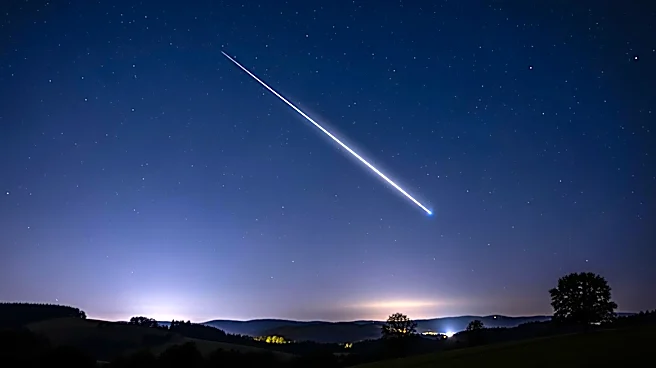
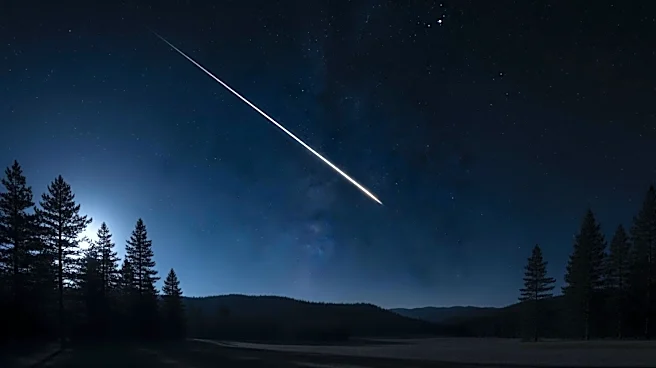
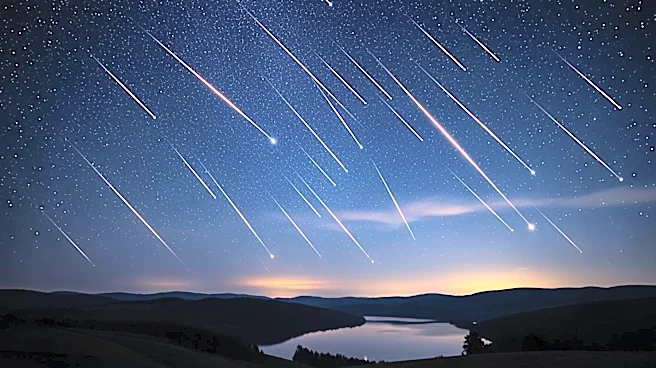
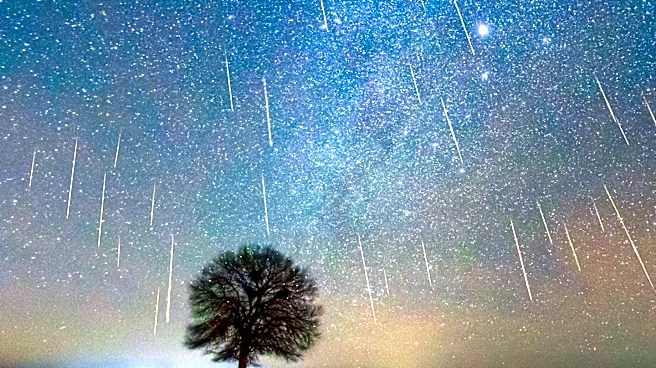
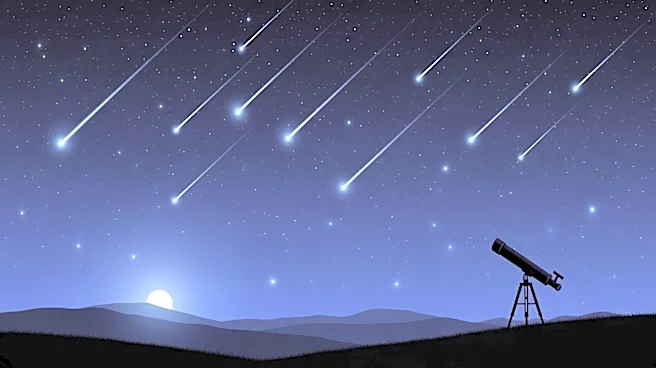
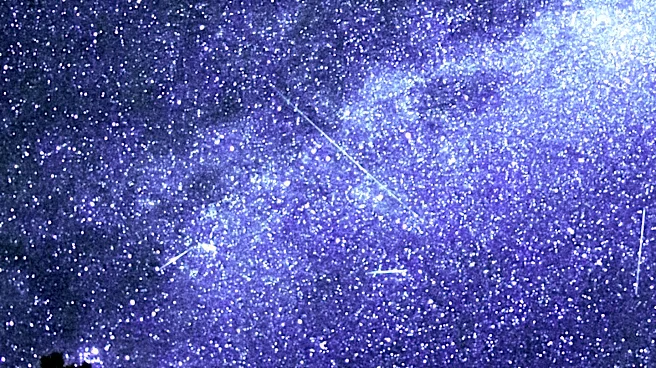
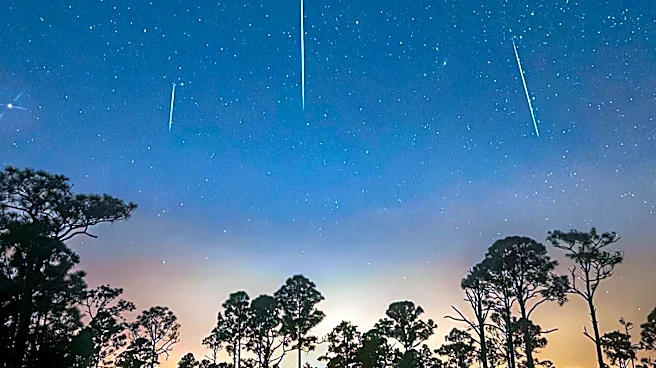
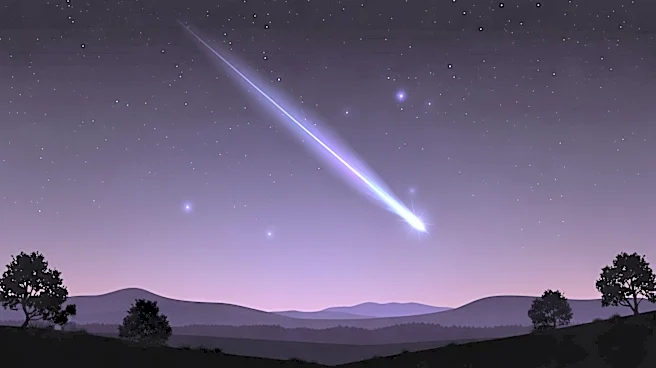
The Lyrid meteor shower is set to provide a spectacular display for stargazers, with ideal viewing conditions expected before dawn on April 22. This meteor shower, one of the oldest known, is named after the constellation Lyra, from which the meteors
appear to radiate. The Lyrids are known for their bright meteors and fast speeds, traveling at 30 miles per second. The peak viewing time will be early Wednesday morning, with an expected rate of 10 to 20 meteors per hour. The moon will set by 1:15 a.m., leaving a dark sky for optimal viewing. The Lyrids are remnants of Comet Thatcher, which last appeared in 1861 and is not due to return until 2276.
Why It's Important?
The Lyrid meteor shower is significant as it marks the end of a long period without major meteor activity, providing a much-anticipated event for astronomy enthusiasts. Meteor showers like the Lyrids offer a unique opportunity for public engagement with astronomy, encouraging people to look up and appreciate the night sky. This event also highlights the ongoing interest in celestial phenomena and the importance of preserving dark skies for astronomical observations. The Lyrids' historical significance, with records dating back over 2,600 years, adds to the cultural and scientific value of this natural spectacle.
What's Next?
Following the Lyrid meteor shower, stargazers can look forward to other meteor showers throughout the year, such as the Perseids in August and the Geminids in December. These events continue to draw public interest and provide opportunities for educational outreach and community events centered around astronomy. Additionally, the increasing awareness of light pollution's impact on night sky visibility may lead to more initiatives aimed at preserving dark skies, benefiting both amateur and professional astronomers.