

What's Happening?
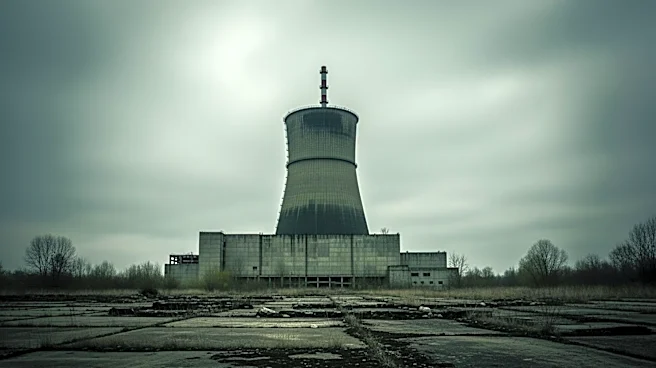
The 40th anniversary of the Chernobyl disaster highlights ongoing nuclear safety concerns in Ukraine, exacerbated by the ongoing conflict with Russia. The Chernobyl site, which suffered a catastrophic nuclear accident in 1986, remains a symbol of nuclear risk.
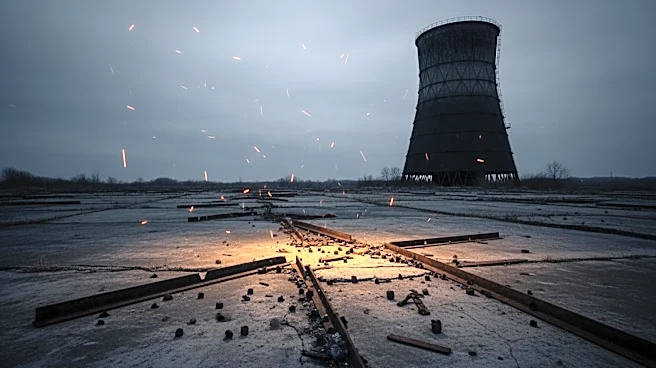
Recent reports indicate that the New Safe Confinement (NSC) structure, designed to contain radiation, was damaged by a Russian drone strike in 2025, compromising its effectiveness. The war has also placed other Ukrainian nuclear facilities at risk, with the Zaporizhzhia plant under Russian control and frequently disconnected from external power. These developments underscore the heightened nuclear safety risks in Ukraine, as the country relies heavily on nuclear power for electricity amid Russian attacks on its energy infrastructure.
Why It's Important?
The situation in Ukraine poses significant risks not only to the country but also to Europe and beyond. The potential for another nuclear disaster could have catastrophic environmental and health impacts, reminiscent of the Chernobyl disaster's long-term effects. The conflict has intensified the vulnerability of nuclear facilities, raising concerns about the safety of nuclear power in conflict zones. The reliance on nuclear energy for electricity in Ukraine, due to damaged infrastructure, further complicates the situation. The international community, including organizations like the International Atomic Energy Agency, is closely monitoring the situation, emphasizing the need for enhanced nuclear safety measures and conflict resolution to prevent further escalation.
What's Next?
Efforts to repair the NSC and ensure the safety of Ukraine's nuclear facilities are ongoing but face significant challenges due to the conflict. The cost and logistics of repairing the NSC are daunting, with estimates running into tens of millions of dollars. The international community may need to provide support to Ukraine to address these challenges. Additionally, diplomatic efforts to de-escalate the conflict and secure nuclear sites are crucial to preventing further damage and ensuring regional safety. The situation remains fluid, with potential for further developments depending on the conflict's trajectory and international diplomatic efforts.