



What's Happening?
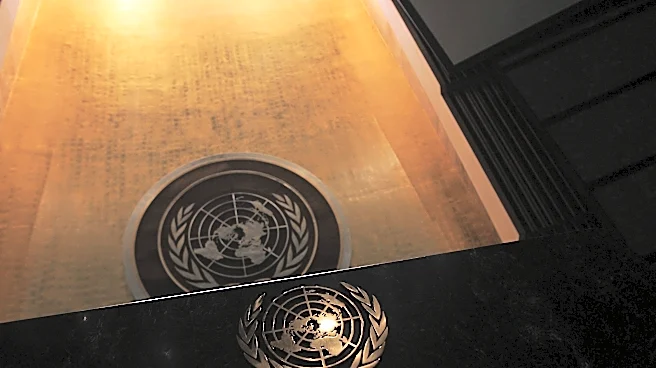
UN Women has reported significant progress in achieving numerical gender parity within the United Nations system, with women's representation in Professional and higher categories reaching 50.4% in 2025, up from 47% in 2021. Parity among the Senior Management
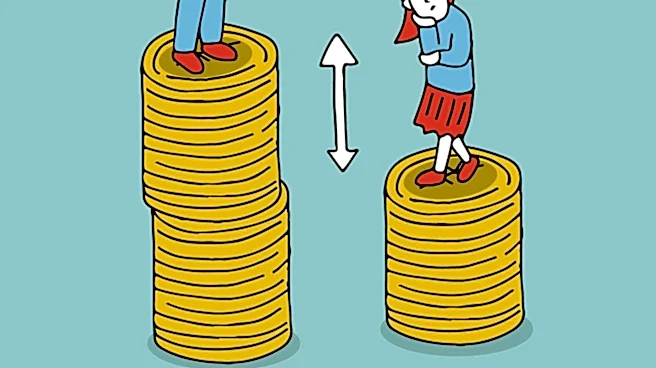
Group and resident coordinators has also been maintained since 2018. These figures, primarily covering January 2022 to December 2023 with developments through mid-2025, indicate a positive trend in women's representation. However, the report emphasizes that these numerical gains do not automatically confirm a reduction in discrimination related to recruitment, advancement, treatment, or access to authority. The UN's operational definition of parity falls within a range of 47% to 53%, and while overall figures are positive, underrepresentation at director levels (D-1 and D-2) persists below this range. The Secretariat's human resources strategy also identifies a persistent gap in employee empowerment between women and men, recorded at eight percentage points in 2021 and nine in 2024, highlighting a workplace experience disparity that goes beyond mere representation.
Why It's Important?
This development is important because while numerical gender parity is a crucial step, it does not fully address the complexities of institutional bias and discrimination. The UN's own data suggests that despite achieving overall representation targets, underlying issues in career progression, authority, and employee empowerment for women may still exist. This situation has broader implications for organizations globally, including those in the U.S., as it underscores the need for a more nuanced approach to diversity and inclusion metrics. Simply counting women in leadership roles may not reveal the full picture of their influence, opportunities for advancement, or protection against retaliation. For U.S. businesses and government agencies striving for gender equality, the UN's experience serves as a cautionary tale, emphasizing that true equity requires examining not just representation, but also the quality of work life, career trajectories, and the presence of systemic barriers. Failure to address these deeper issues can lead to a superficial sense of achievement without genuine change, potentially impacting employee morale, productivity, and the overall effectiveness of an organization.
What's Next?
The UN is expected to conduct further rigorous examinations to determine if institutional bias is genuinely diminishing, moving beyond mere numerical representation. This will involve analyzing evidence of fairer career progression across various grades, nationalities, and contract types, as well as assessing confidence in raising concerns and protection against retaliation. The organization also aims to identify and address the causes of the persistent gap in employee empowerment between women and men. For Moldova, the CEDAW Committee has recommended continued efforts to prevent discrimination against women and girls in various sectors, including education, healthcare, employment, and justice. Moldova is tasked with developing a roadmap for implementing these recommendations and providing updates on measures taken and progress achieved within two years. These ongoing efforts highlight a global commitment to not only achieve gender parity in numbers but also to ensure equitable experiences and opportunities for women within institutions.
Beyond the Headlines
The UN's nuanced findings on gender parity extend beyond simple statistics, revealing deeper ethical and cultural implications for how organizations approach diversity. The distinction between numerical representation and actual empowerment highlights a critical challenge: achieving surface-level equality does not automatically dismantle ingrained biases or power structures. This situation prompts a re-evaluation of what 'success' in gender equality truly means, suggesting that a holistic approach must consider qualitative aspects like psychological safety, equitable access to decision-making, and genuine opportunities for advancement. For U.S. institutions, this implies that diversity initiatives should move beyond quotas to foster inclusive cultures where women's expertise is valued, their voices are heard, and their career paths are not hindered by invisible barriers. The UN's experience underscores that without addressing these deeper systemic issues, organizations risk creating an illusion of equality while fundamental disparities persist, potentially leading to disillusionment and a lack of true progress.