





What's Happening?
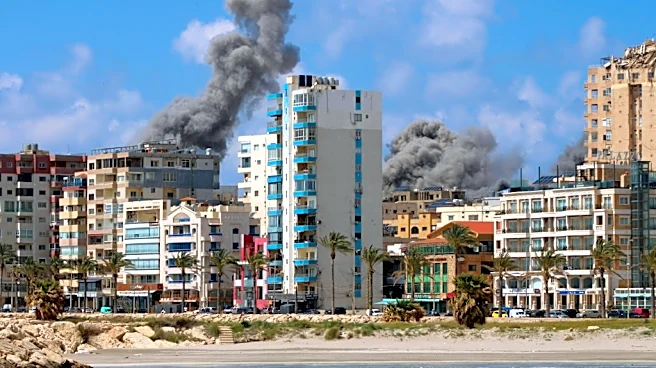
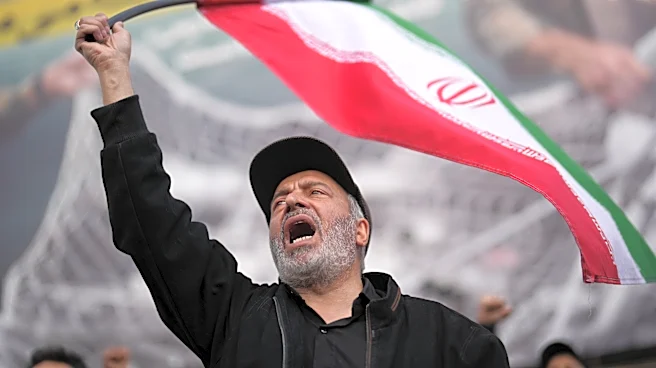
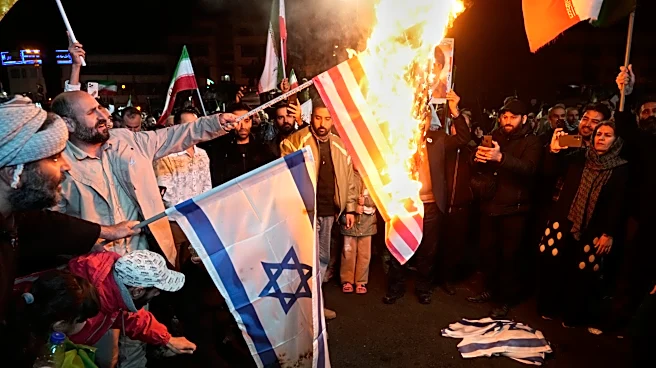
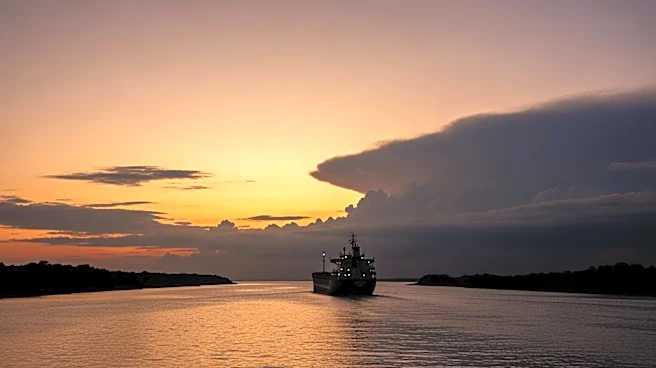
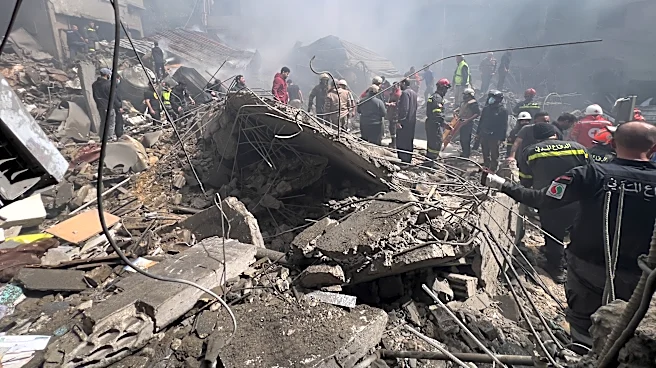
Iran has closed the Strait of Hormuz, threatening to destroy any vessel attempting to pass without permission. This move is in retaliation for Israeli strikes on Hezbollah, escalating tensions in the region. The closure of the strait, a vital passage
for global oil shipments, has raised concerns among shipping companies and international stakeholders. The Iranian Navy's threats have heightened the risk for vessels in the area, complicating efforts to resume normal maritime operations.
Why It's Important?
The Strait of Hormuz is a critical chokepoint for global oil supplies, and its closure has significant implications for international energy markets. Iran's actions reflect ongoing geopolitical tensions in the Middle East, with potential repercussions for global trade and energy security. The situation underscores the fragility of regional peace and the challenges in maintaining open maritime routes. The international community's response will be crucial in addressing the security risks and ensuring the free flow of oil.
What's Next?
The international community, including the U.S. and its allies, may engage in diplomatic efforts to de-escalate tensions and reopen the strait. Shipping companies will need to assess risks and coordinate with authorities to ensure safe passage. The situation may prompt discussions on alternative routes and strategies to mitigate future disruptions. Monitoring Iran's actions and regional developments will be essential in preventing further escalation.