
What's Happening?
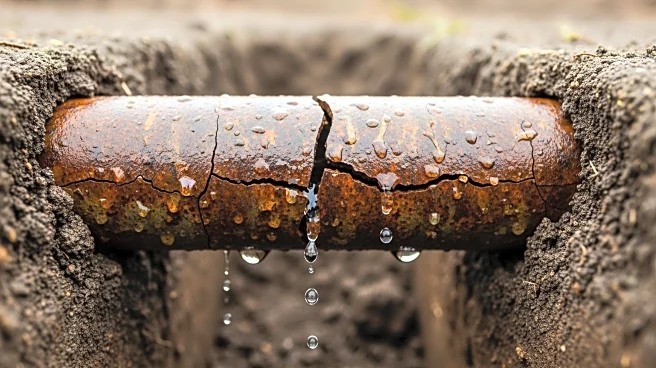
Water main breaks are becoming increasingly common across the United States, highlighting the aging infrastructure that many cities rely on. A notable incident occurred in Rochester, New York, where a 113-year-old
pipe burst, releasing approximately 2 million gallons of water into the streets. This event mirrors hundreds of similar breakages that occur daily across the country. These incidents often result in significant disruptions, including flooded basements, road closures, and boil-water advisories. The problem is exacerbated by temperature fluctuations, which cause thaw-freeze cycles that stress and crack old pipes. Cities are investing in infrastructure improvements, but funding and replacement timelines are not keeping pace with the scale of the problem. In places like South Hackensack, New Jersey, and Milwaukee, Wisconsin, water main breaks have led to sinkholes and significant traffic disruptions, further illustrating the urgent need for infrastructure upgrades.
Why It's Important?
The frequent occurrence of water main breaks underscores a critical issue facing U.S. cities: the need to modernize aging infrastructure. These breaks not only disrupt daily life but also pose safety risks, such as potential exposure to contaminated water and hidden hazards like sinkholes. The economic impact is also significant, as businesses face reduced foot traffic and increased operational challenges due to road closures and detours. The cost of repairing and upgrading water systems is substantial, and without adequate investment, these problems are likely to persist, affecting millions of residents and businesses nationwide. The situation calls for urgent attention from policymakers to allocate resources effectively and prioritize infrastructure renewal to prevent further disruptions and ensure public safety.
What's Next?
As cities continue to grapple with the challenges posed by aging water infrastructure, there is a pressing need for comprehensive plans to address these issues. This includes securing funding for large-scale infrastructure projects and implementing advanced technologies for monitoring and maintaining water systems. Policymakers and city planners must collaborate to develop strategies that prioritize the most vulnerable areas and ensure that repairs and upgrades are carried out efficiently. Public awareness campaigns may also be necessary to inform residents about the potential risks and the importance of infrastructure investment. The federal government could play a crucial role by providing financial support and guidance to local governments, helping to accelerate the pace of infrastructure improvements across the country.
Beyond the Headlines
The recurring water main breaks highlight deeper systemic issues related to urban planning and resource allocation. The reliance on outdated infrastructure reflects broader challenges in maintaining public utilities in the face of growing urban populations and climate change. As cities expand, the demand on existing water systems increases, further straining already fragile networks. Additionally, the environmental impact of water loss and the energy required for repairs contribute to broader sustainability concerns. Addressing these issues requires a holistic approach that considers not only immediate repairs but also long-term planning for sustainable urban development. This includes integrating green infrastructure solutions and promoting water conservation practices to reduce the overall burden on municipal systems.