




What's Happening?
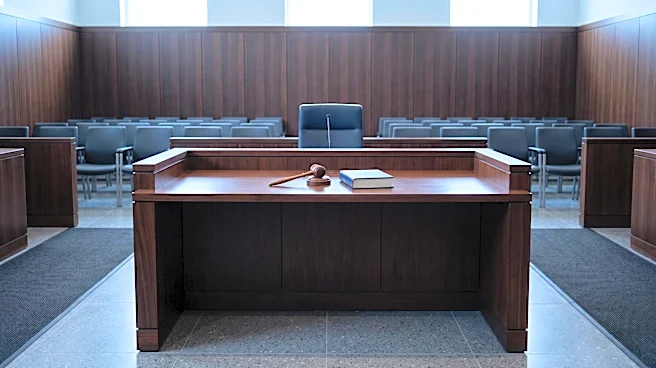
U.S. District Judge Mark Norris recently heard arguments regarding a request for a preliminary injunction against the Memphis Safe Task Force. The American Civil Liberties Union (ACLU) and other civil rights groups filed a lawsuit in May, alleging that
federal and state agents are misusing the 'Halo Law' to suppress public oversight of their operations. This law, enacted last July, makes it a criminal offense to approach within 25 feet of a law enforcement officer after being warned. ACLU attorney Scarlet Kim presented evidence of over 30 alleged incidents where task force agents retaliated against individuals, which the ACLU claims creates a chilling effect on First Amendment activities. Judge Norris has taken the request under advisement and instructed the parties to develop a discovery plan, with a virtual status conference scheduled for October 30.
Why It's Important?
This legal challenge is significant for civil liberties and police accountability in the U.S. The 'Halo Law' and its enforcement by the Memphis Safe Task Force raise critical questions about the balance between public safety and constitutional rights, particularly the First Amendment rights to free speech and to record public officials. If the injunction is granted, it could set a precedent for how similar laws are interpreted and enforced nationwide, potentially limiting law enforcement's ability to restrict public observation. Conversely, if the injunction is denied, it could empower law enforcement agencies to use such buffer zone laws more broadly, potentially hindering efforts by civil rights advocates and the public to document police interactions and ensure transparency. The outcome will impact how citizens can interact with law enforcement and the scope of their First Amendment protections in public spaces.
What's Next?
Following the hearing, U.S. District Judge Mark Norris has taken the request for a preliminary injunction under advisement. The parties involved have been ordered to confer on a discovery plan, which will outline the process for exchanging information and evidence relevant to the lawsuit. A virtual status conference is scheduled for October 30, where the court will likely review the progress of the discovery plan and potentially provide further direction on the case. The decision on the preliminary injunction will determine whether the Memphis Safe Task Force can continue enforcing the 'Halo Law' in its current manner while the broader lawsuit proceeds. This decision could lead to further legal challenges or appeals, depending on the outcome and its implications for both the task force and civil rights groups.
Beyond the Headlines
The lawsuit against the Memphis Safe Task Force delves into the evolving legal landscape surrounding citizen journalism and police oversight in the digital age. The 'Halo Law' exemplifies a growing trend of legislation aimed at creating buffer zones around law enforcement, often justified by officer safety concerns. However, civil rights advocates argue that such laws can be weaponized to prevent documentation of potential misconduct, thereby eroding public trust and accountability. The case highlights the tension between state authority and individual liberties, particularly the right to record in public spaces, which has been affirmed by various courts. The outcome could influence legislative efforts in other states considering similar laws and shape judicial interpretations of First Amendment protections in the context of modern policing practices, potentially impacting the future of police-community relations and transparency.