





What's Happening?
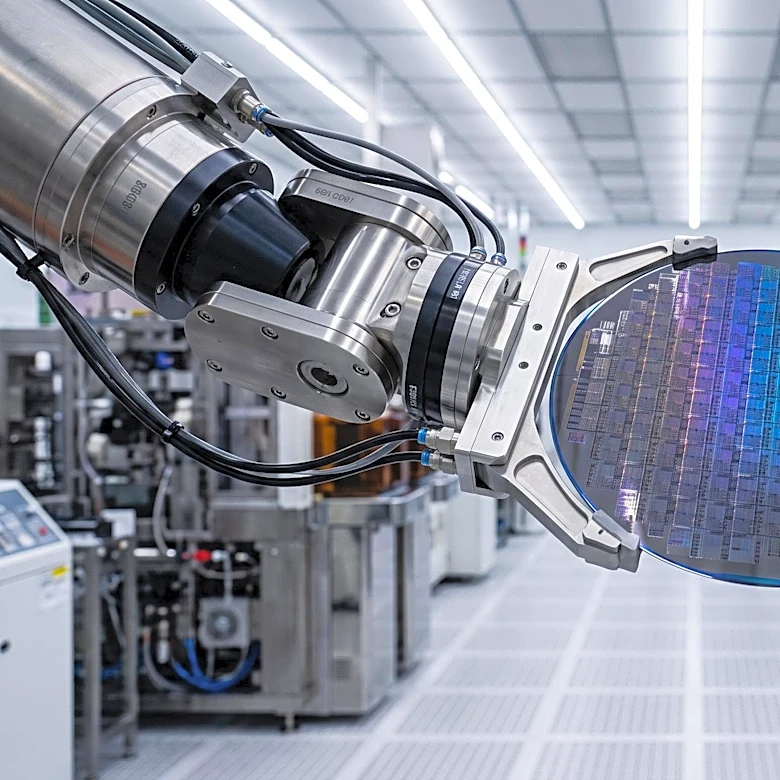
Elon Musk, CEO of SpaceX, has stated that control over AI chip fabrication factories will determine the winner of the artificial intelligence race, primarily a competition between the United States and China. Musk highlighted that nearly all advanced
AI chip factories are currently located in Taiwan. He warned that a Chinese invasion of Taiwan would cut off the world from advanced AI chips, emphasizing the critical national security importance of establishing domestic manufacturing capabilities. The geopolitical and technological rivalry between the U.S. and China, often termed an 'AI Cold War,' encompasses foundational research, semiconductor manufacturing, commercial market share, and national security. China is actively pursuing semiconductor self-sufficiency, while Washington has implemented aggressive export controls on advanced semiconductors, including high-end GPUs, and enacted policies like the CHIPS and Science Act to protect its domestic supply. Tensions have also risen over accusations of Chinese tech firms stealing American technology and data to train AI models, claims which Beijing denies.
Why It's Important?
The concentration of advanced AI chip manufacturing in Taiwan presents a significant geopolitical vulnerability, as highlighted by Elon Musk. Any disruption to Taiwan's semiconductor industry, such as a potential invasion, could severely impact global access to critical AI components, with profound economic and national security implications for the United States. The U.S. reliance on foreign manufacturing for these essential technologies underscores the urgency of initiatives like the CHIPS and Science Act, which aim to bolster domestic semiconductor production. This competition extends beyond economic dominance, touching on military capabilities, technological leadership, and the future of artificial intelligence development. The 'AI Cold War' signifies a broader struggle for technological supremacy, where control over the supply chain for advanced chips is a strategic imperative. The outcome of this race will influence global power dynamics, economic stability, and the pace of technological innovation worldwide.
What's Next?
The United States is expected to continue its efforts to onshore semiconductor manufacturing and diversify its supply chain to reduce reliance on foreign production, particularly from Taiwan. This will likely involve further investments through initiatives like the CHIPS and Science Act, encouraging companies like TSMC and Intel to expand their U.S. operations. Simultaneously, China will persist in its drive for semiconductor self-sufficiency, potentially increasing its domestic manufacturing capabilities and research in advanced chip technology. The geopolitical tensions surrounding Taiwan and the semiconductor industry are likely to remain high, with both nations potentially implementing further trade restrictions or incentives to secure their positions. The development of new AI models and applications will continue to accelerate, further intensifying the demand for advanced chips and the strategic importance of their production. International collaborations and alliances may also form as countries seek to secure their access to critical semiconductor technology.
Beyond the Headlines
The emphasis on AI chip factory control reveals a deeper shift in global power dynamics, where technological infrastructure, rather than just military might, is becoming a primary determinant of national security and influence. The 'AI Cold War' is not merely about economic competition but about shaping the future of technology and its ethical implications. The concentration of advanced manufacturing in a single geopolitical hotspot like Taiwan raises questions about global resilience and the potential for cascading failures in critical supply chains. This situation also highlights the intricate relationship between technological advancement, economic policy, and international relations. The race for AI chip supremacy could lead to a more fragmented global technological landscape, with distinct ecosystems emerging in the U.S. and China, potentially impacting global standards, interoperability, and the free flow of information and innovation. The ethical considerations surrounding AI development, such as data privacy and autonomous systems, will also become more pronounced as the competition intensifies.