



What's Happening?
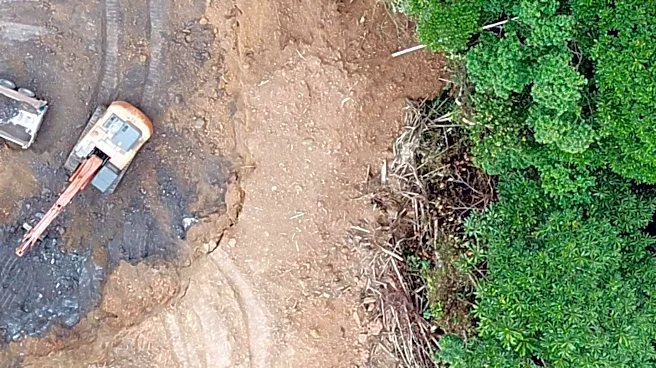
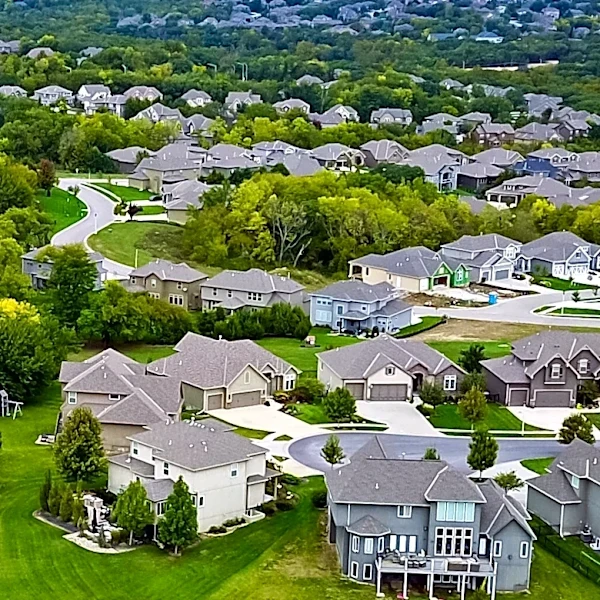
The construction of data centers across the U.S. is facing significant pushback from local communities and environmental groups. Concerns about the environmental impact and the placement of these facilities in residential areas have led to moratoriums
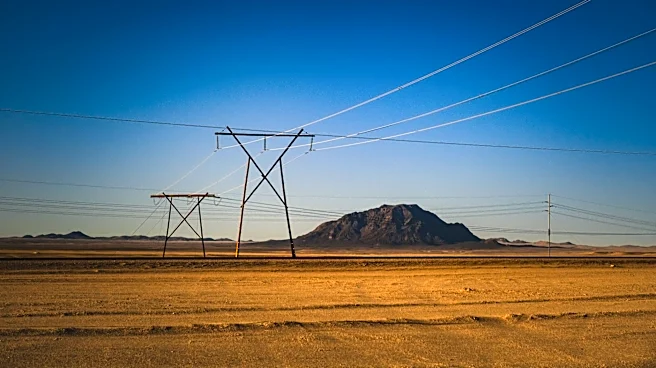
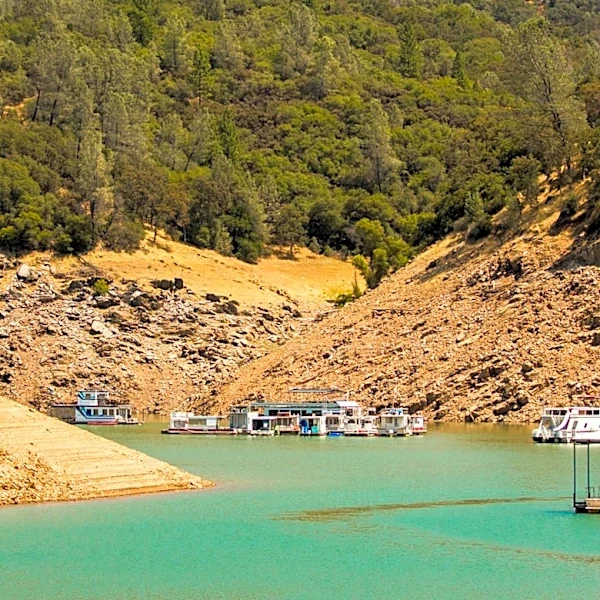
and debates in states like New York and Virginia. Data centers, which are crucial for supporting digital infrastructure and AI, consume large amounts of electricity and can significantly impact local environments. The Federal Energy Regulatory Commission is also involved, ensuring that grid operators can handle the increased demand without affecting reliability or shifting costs to consumers.
Why It's Important?
Data centers are essential for the growing digital economy, supporting everything from cloud computing to AI applications. However, their environmental footprint and the strain they place on local resources are causing significant public policy debates. The outcome of these discussions could influence where and how data centers are built in the future, impacting local economies and the tech industry's ability to expand. Balancing the need for digital infrastructure with environmental and community concerns is crucial for sustainable development.
What's Next?
Communities and policymakers will need to find a balance between supporting technological advancement and protecting local environments. This may involve stricter regulations on where data centers can be built and how they operate. Developers might be encouraged to use existing industrial sites or invest in technologies that reduce environmental impact. The ongoing discussions and decisions will shape the future landscape of digital infrastructure in the U.S., potentially influencing global standards as well.