
What's Happening?
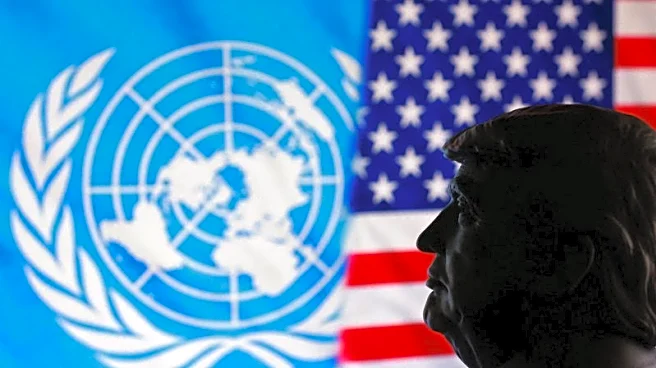
President Trump has issued a directive for the United States to withdraw from 66 multilateral institutions, including key UN bodies focused on Africa. This decision is part of a broader foreign policy
shift prioritizing national sovereignty and domestic interests over multilateral engagement. The affected institutions include the UN Economic and Social Council’s Economic Commission for Africa, the Office of the Special Adviser on Africa, and the Permanent Forum on People of African Descent. These bodies have been instrumental in facilitating Africa's economic and political engagement with the world, advising on economic reforms, and amplifying African voices on global issues.
Why It's Important?
The U.S. withdrawal from these UN bodies could significantly impact Africa's development and international relations. These institutions play a crucial role in advising African governments and promoting economic integration. The U.S. exit removes not only financial support but also political influence, potentially weakening platforms that advocate for Africa's growth and social justice. This move reflects a broader trend in Trump's foreign policy, emphasizing national interests and reducing international commitments. The decision may affect U.S.-Africa relations, limiting diplomatic and development channels that have historically connected the two regions.
What's Next?
The withdrawal may lead to a reevaluation of Africa's engagement with international institutions and its relationship with the U.S. African countries may seek alternative partnerships to fill the void left by the U.S. exit. The decision could also prompt discussions within the UN about the future of these bodies and their funding. Domestically, the move may influence U.S. foreign policy debates, particularly regarding the balance between national interests and global responsibilities. The long-term impact on Africa's economic and political landscape will depend on how the continent adapts to these changes.