






What's Happening?
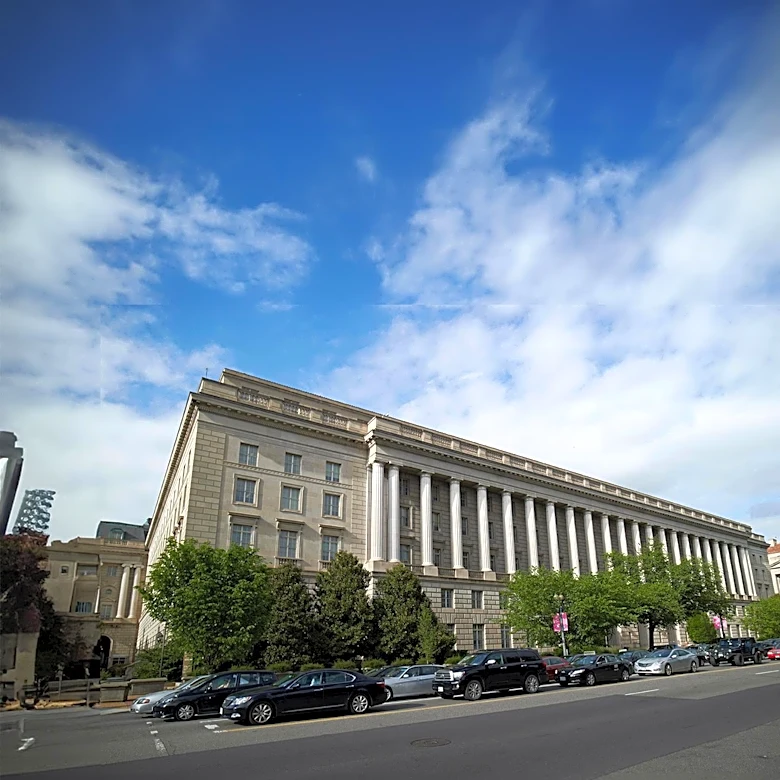
The Department of Housing and Urban Development (HUD) is moving forward with significant reforms to the nation's homelessness system, following a decision by the First Circuit Court of Appeals on September 16. These reforms aim to redefine success in addressing
homelessness, shifting the focus from merely providing housing placements to promoting recovery, restoration, and self-sufficiency. This change comes after months of litigation by what is described as the 'Homeless Industrial Complex' to block these reforms. Historically, federal homelessness policy, particularly since 2013 under President Barack Obama's 'Housing First' approach, prioritized permanent housing without requiring treatment or sobriety. Despite a 151% increase in taxpayer-funded beds by 2025, homelessness surged by 27% and chronic homelessness by 81%, reaching record highs. HUD officials are confronting previous statistical 'gimmicks' that obscured the true extent of homelessness and the effectiveness of programs, such as excluding individuals in taxpayer-funded permanent housing from homelessness counts and classifying 'rapid rehousing' as permanent housing despite its time-limited rental assistance.
Why It's Important?
This policy shift by HUD is important because it fundamentally alters the approach to a critical social issue affecting millions of Americans. By redefining success to emphasize recovery and self-sufficiency, HUD aims to address the root causes of homelessness rather than just its symptoms. The previous 'Housing First' model, while well-intentioned, led to increased spending and system expansion without a corresponding reduction in homelessness, indicating a need for a more holistic strategy. The new focus could lead to more effective allocation of resources, ensuring that programs are funded based on their ability to help individuals achieve lasting stability. This change also highlights a broader debate about how government agencies measure success and accountability in social welfare programs. The re-evaluation of how homelessness is counted and defined could provide a more accurate picture of the problem, leading to better-informed policy decisions and potentially more sustainable outcomes for those experiencing homelessness.
What's Next?
With the First Circuit Court of Appeals clearing the way, HUD is expected to proceed with implementing these reforms, which will involve funding programs that align with the new definition of success focusing on recovery, restoration, and self-sufficiency. This will likely entail a re-evaluation of existing programs and funding mechanisms, potentially shifting resources away from models that solely prioritize housing placements. The ongoing legal challenges, particularly regarding other complaints in the lawsuit that the District Court can now address, suggest that further legal scrutiny of HUD's policies may continue. Stakeholders, including homelessness advocates, service providers, and local governments, will need to adapt to these new guidelines and demonstrate how their programs contribute to the broader goals of recovery and self-sufficiency. The impact of these reforms on the overall homelessness rates and the well-being of individuals experiencing homelessness will be closely monitored, with future policy adjustments potentially depending on the outcomes observed.
Beyond the Headlines
Beyond the immediate policy changes, HUD's reforms touch upon deeper ethical and societal considerations regarding how the U.S. addresses its most vulnerable populations. The critique of past 'gimmicks' in defining and counting homelessness raises questions about the integrity of data collection and its influence on public perception and policy. The shift from a purely housing-centric model to one that includes recovery and self-sufficiency acknowledges the complex interplay of factors contributing to homelessness, such as mental health issues, substance abuse, and lack of employment opportunities. This broader approach could foster a more compassionate and effective system that recognizes the dignity and potential of individuals to reclaim their lives. It also challenges the 'Homeless Industrial Complex' to evolve its strategies, moving beyond simply providing shelter to actively facilitating long-term stability and integration into society. The success of these reforms will ultimately depend on their ability to create sustainable pathways out of homelessness, rather than just managing its symptoms.