




What's Happening?
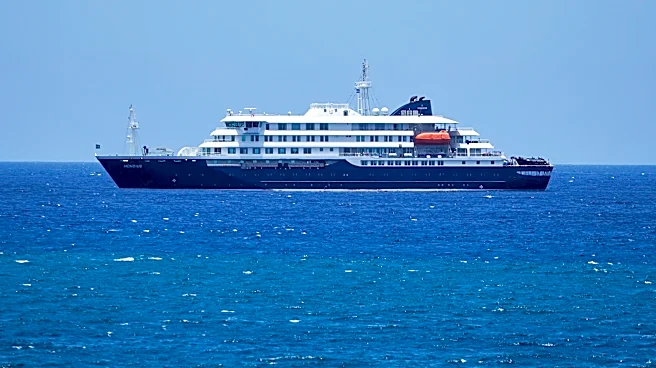
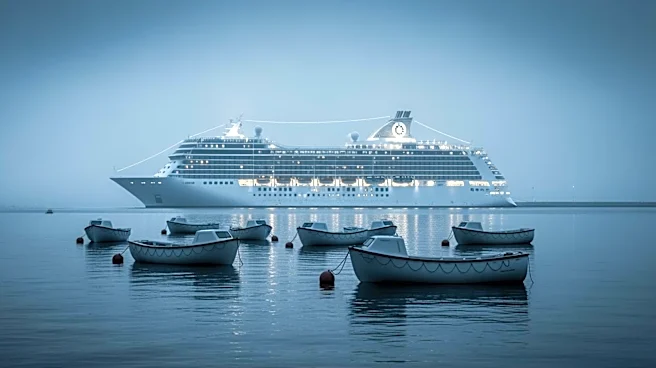
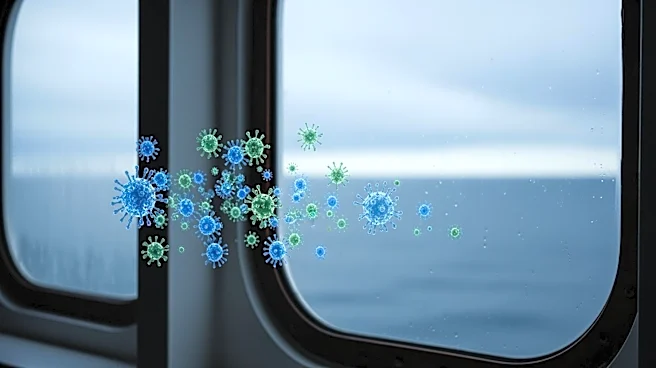
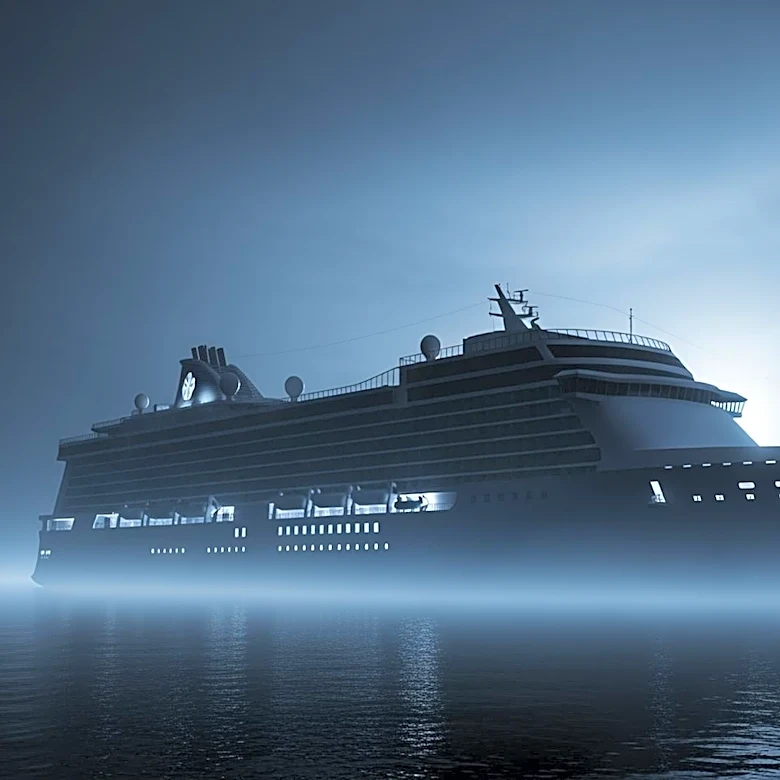
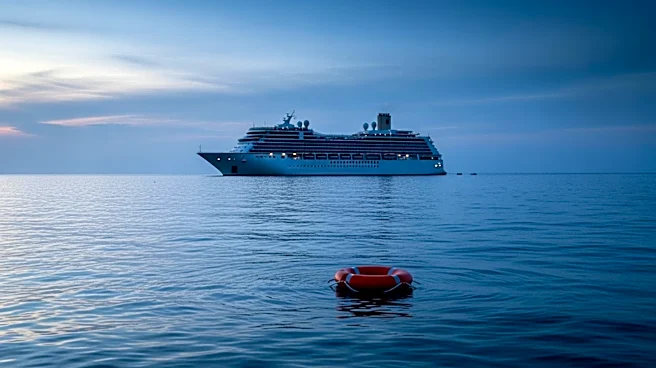
A luxury cruise ship off the coast of West Africa has reported an outbreak of hantavirus, resulting in the deaths of a Dutch couple and a German national. The World Health Organization suspects rare human-to-human transmission among close contacts on the ship,
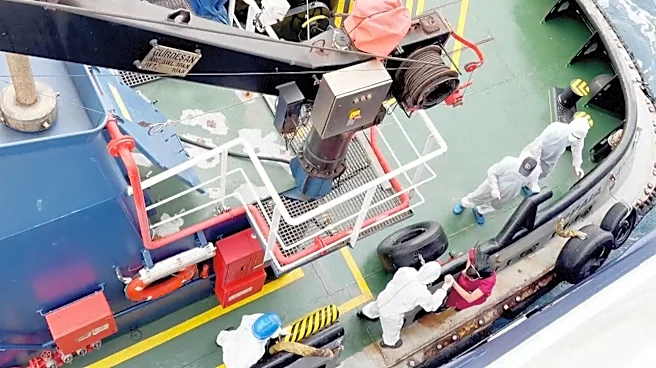
which is unusual for a virus typically spread through contact with infected rodents. Approximately 150 passengers, primarily from the UK, US, and Spain, remain on board, with some showing symptoms. A British national has been evacuated and is receiving intensive care in South Africa. The outbreak has prompted health officials to plan evacuations for those infected.
Why It's Important?
The outbreak of hantavirus on a cruise ship highlights the potential for infectious diseases to spread in confined environments, raising concerns about public health safety on such vessels. The suspected human-to-human transmission is particularly noteworthy, as it suggests the virus could pose a greater risk than previously understood. This situation underscores the need for stringent health protocols and monitoring on cruise ships to prevent similar outbreaks. The incident also raises questions about the preparedness of health systems to handle such emergencies and the implications for the cruise industry, which may face increased scrutiny and regulation.
What's Next?
Health authorities are likely to conduct thorough investigations to confirm the mode of transmission and assess the risk to the wider public. The cruise industry may need to implement enhanced health measures and protocols to prevent future outbreaks. Passengers and crew on the affected ship will undergo medical evaluations, and those infected will receive appropriate treatment. The situation may lead to increased collaboration between international health organizations to improve disease surveillance and response strategies on cruise ships.