





What's Happening?
Mike Strain, the Commissioner of the Louisiana Department of Agriculture and Forestry, has addressed the implications of the ongoing conflict in Iran and the imposition of tariffs on the agricultural sector. During a recent discussion, Strain highlighted
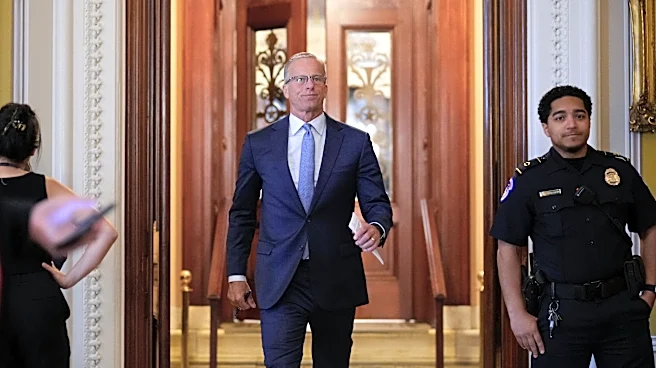
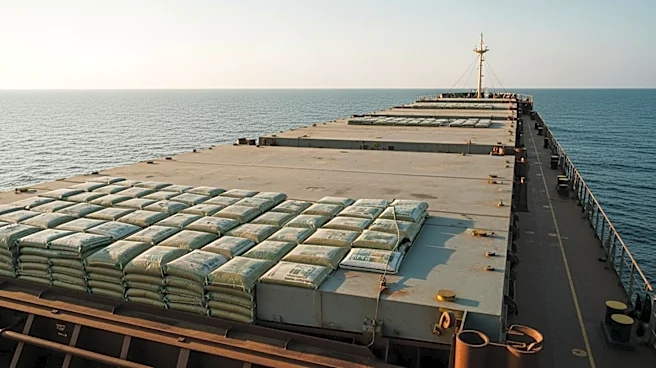
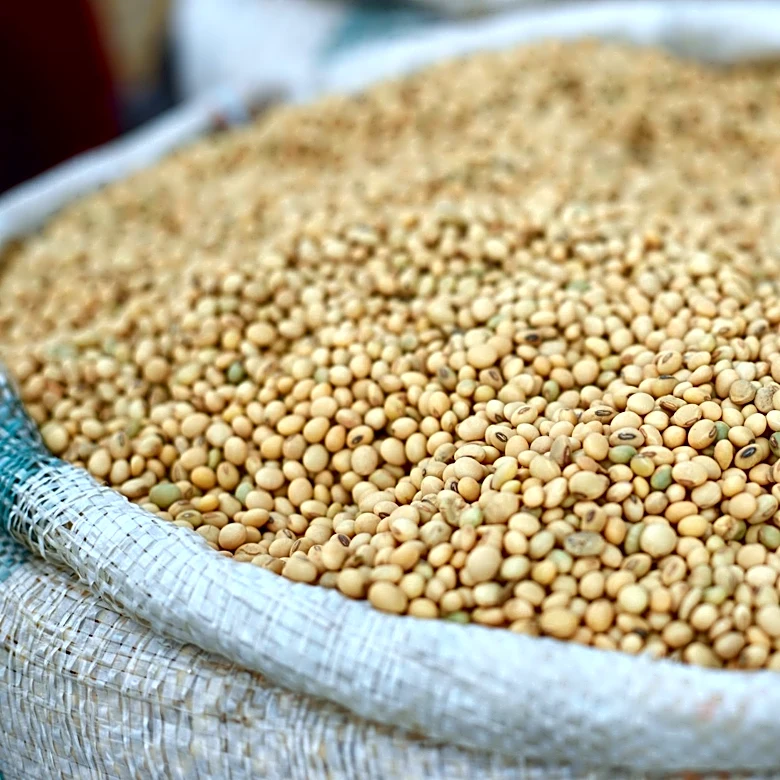
the challenges faced by farmers due to these geopolitical tensions and economic policies. The conflict in Iran has led to increased uncertainty in global markets, affecting commodity prices and trade routes. Additionally, tariffs have compounded these issues by increasing costs for farmers, who are already dealing with fluctuating market conditions. Strain's comments were part of a broader conversation that included insights from Tyler Bridges, a reporter from The Advocate/The Times-Picayune, who discussed the upcoming primary election and its candidates. Democratic U.S. Senate candidate Gary Crockett also shared his campaign strategies for the upcoming runoff election. Avery Davidson, Communications Director at the Louisiana Farm Bureau Federation, spoke about the 104th Louisiana Farm Bureau Federation Convention.
Why It's Important?
The issues discussed by Mike Strain are critical as they directly impact the agricultural industry, a vital component of Louisiana's economy. The conflict in Iran and the resulting market instability can lead to increased costs and reduced profitability for farmers. Tariffs further exacerbate these challenges by raising the prices of essential goods and materials needed for farming operations. This situation could lead to financial strain on farmers, potentially affecting food supply and prices. The broader economic implications include potential job losses in the agricultural sector and related industries. The discussions around the primary election and the Senate race also highlight the political dynamics in Louisiana, which could influence future policy decisions affecting agriculture and trade.
What's Next?
As the situation in Iran evolves, farmers and industry stakeholders will need to monitor geopolitical developments closely. The outcome of the upcoming elections could also bring changes in trade policies and economic strategies that may benefit or further challenge the agricultural sector. Stakeholders, including policymakers and industry leaders, may need to advocate for measures that mitigate the impact of tariffs and global conflicts on local agriculture. Additionally, the Louisiana Farm Bureau Federation Convention could serve as a platform for discussing strategies to support farmers and ensure the sustainability of the agricultural industry in the face of these challenges.