




What's Happening?
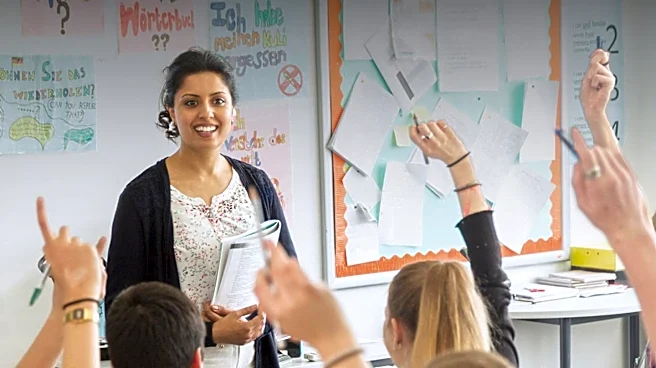
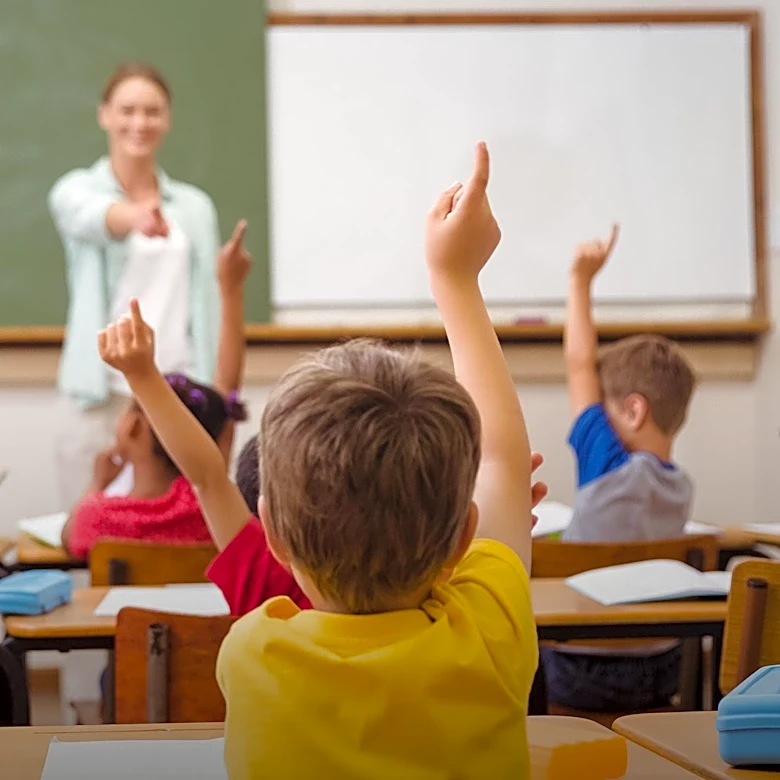
Students from the Thomas Jefferson STEM School have participated in a cultural and language immersion program in the United States. During their stay, these students lived with American host families and explored various local landmarks across California,
Minnesota, and Ohio. This experience allowed them to practice their English language skills in daily life settings. A key component of their visit included delivering presentations about their home country, Chile, to their host communities. This program is highlighted as a fundamental aspect of their bilingual education curriculum, aiming to provide practical application of language learning and foster cross-cultural understanding. The initiative underscores the school's commitment to offering real-world experiences that complement classroom learning.
Why It's Important?
This cultural immersion program is significant for several reasons. For the Thomas Jefferson STEM School students, it provides an invaluable opportunity to enhance their English proficiency through direct, everyday interaction, which is often more effective than traditional classroom instruction. Living with host families offers a deep dive into American culture, fostering intercultural competence and broadening their global perspectives. Such experiences can significantly impact students' personal development, encouraging adaptability, independence, and a greater understanding of diverse societies. For the U.S. host communities, the program promotes cultural exchange, allowing American families to learn about Chilean culture directly from the students. This reciprocal learning enriches both parties and strengthens international ties at a grassroots level, contributing to a more globally aware citizenry.
What's Next?
The success of this program suggests a continued emphasis on cultural immersion as a cornerstone of bilingual education for Thomas Jefferson STEM School. Future iterations of the program are likely to build upon the current model, potentially expanding to include more students or different regions within the U.S. or other English-speaking countries. The school will likely assess the impact of this experience on students' language acquisition and cultural understanding to refine and improve future programs. Furthermore, the positive outcomes could inspire other educational institutions to adopt similar immersion strategies, recognizing the profound benefits of direct cultural and linguistic engagement for student development. The presentations given by the students about Chile could also spark ongoing dialogues and partnerships between the school and the U.S. communities involved.
Beyond the Headlines
Beyond the immediate educational benefits, this program touches upon deeper implications regarding global citizenship and soft diplomacy. By fostering direct interactions between young people from different countries, it helps break down stereotypes and builds empathy, which are crucial for navigating an increasingly interconnected world. The experience of living with a host family, in particular, offers a nuanced understanding of daily life and cultural values that cannot be gained through tourism or media. This kind of immersive learning can cultivate a generation of individuals who are not only bilingual but also bicultural, equipped with the skills to bridge cultural divides and contribute to international cooperation. It also subtly reinforces the idea that education extends beyond academic subjects to include personal growth and cross-cultural understanding.