






What's Happening?
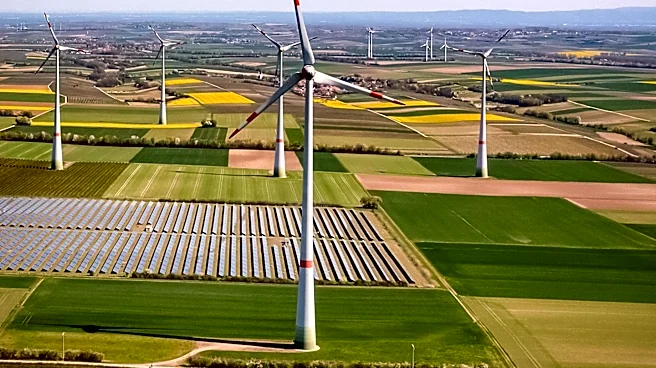
Foreign entities hold long-term leases totaling 6.9 million acres of U.S. agricultural land, with 6.3 million acres (90%) specifically tied to wind and solar projects. Of this, 5.3 million acres are for wind energy, 0.7 million acres for solar, and 0.25
million acres for projects involving both. These figures are based on the U.S. Department of Agriculture’s Agricultural Foreign Investment Disclosure Act (AFIDA) data as of December 31, 2024. AFIDA requires foreign entities to report any interest in U.S. agricultural land, including leases of 10 years or longer. While wind leases typically allow most of the land to remain in agricultural production, solar projects generally take land out of production for the duration of the lease. The majority of these leased acres (76%) are cropland, with concentrations in the southern and central Plains, and additional clusters in South Texas, the Dakotas, central Illinois, northern Indiana, and western and northern New York. Oklahoma leads with nearly one million acres of foreign-held wind and solar leases.
Why It's Important?
The significant acreage of U.S. agricultural land leased by foreign entities for wind and solar development raises important considerations for national security, food security, and land use. While nearly all foreign-held energy leases are associated with investors from Canada and Western Europe, the scale of these leases, particularly for solar projects that remove land from agricultural production, could impact local food supply chains and land availability for farming. The long-term nature of these leases means that while ownership isn't transferred, the land's primary use shifts from agriculture to energy generation for extended periods. This trend could influence land values in affected regions and potentially create competition for land resources between agricultural and energy sectors. The concentration of these leases in key agricultural states highlights a growing intersection between renewable energy expansion and traditional farming practices, necessitating careful policy considerations to balance energy independence with food production needs.
What's Next?
The ongoing trend of foreign entities leasing U.S. agricultural land for renewable energy projects will likely prompt continued scrutiny and potential policy discussions. Lawmakers and agricultural organizations may explore ways to balance the benefits of renewable energy development with concerns about food security and the preservation of agricultural land. Future legislative efforts could focus on refining AFIDA reporting requirements, implementing incentives for co-location of agriculture and energy production, or establishing clearer guidelines for land use conversion. Stakeholders, including farmers, energy developers, and government agencies, will need to engage in dialogue to address the long-term implications of these leases. The data from AFIDA will continue to be a critical resource for monitoring these trends and informing future policy decisions regarding foreign investment in U.S. agricultural land and its impact on the nation's energy and food landscapes.
Beyond the Headlines
Beyond the immediate economic and land-use implications, the increasing foreign lease of U.S. agricultural land for renewable energy projects touches upon deeper ethical and cultural dimensions. The concept of land stewardship, deeply ingrained in American agricultural heritage, faces new challenges as large tracts of farmland are repurposed for energy infrastructure. This shift could alter the traditional rural landscape and community structures, potentially leading to debates about local control versus national energy goals. Furthermore, the reliance on foreign investment for domestic energy projects, even from allied nations, could spark discussions about economic sovereignty and the long-term strategic implications of such dependencies. The balance between promoting renewable energy to combat climate change and preserving the agricultural base for food production represents a complex societal challenge that will require innovative solutions and a nuanced understanding of both local impacts and global imperatives.